Address:No.321 Dongshen Road, Tangxia Town, Dongguan City, Guangdong Province
Stay in touch
Enter your email address for get promotions and news.
Address:No.321 Dongshen Road, Tangxia Town, Dongguan City, Guangdong Province
Stay in touch
Enter your email address for get promotions and news.
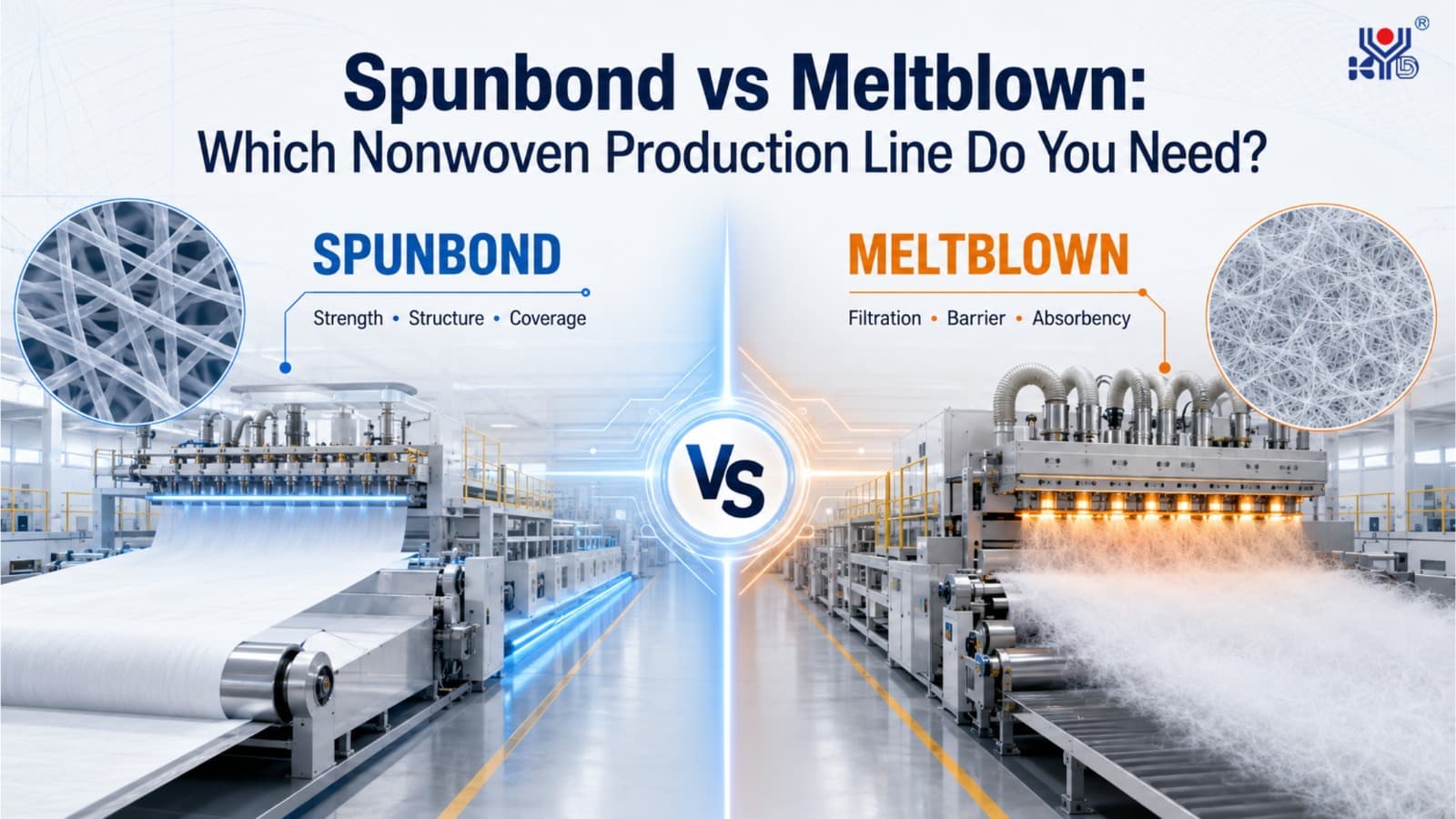
Choosing between a spunbond and meltblown production line starts with one question: What material or finished product do you want to manufacture? Spunbond nonwoven is designed mainly for strength, structure, coverage, and durability. Melt blown nonwoven fabric is designed mainly for fine-particle filtration, absorbency, and barrier performance. In medical masks, the two materials usually work together: spunbond forms the protective outer and comfort layers, while meltblown forms the primary filter layer.
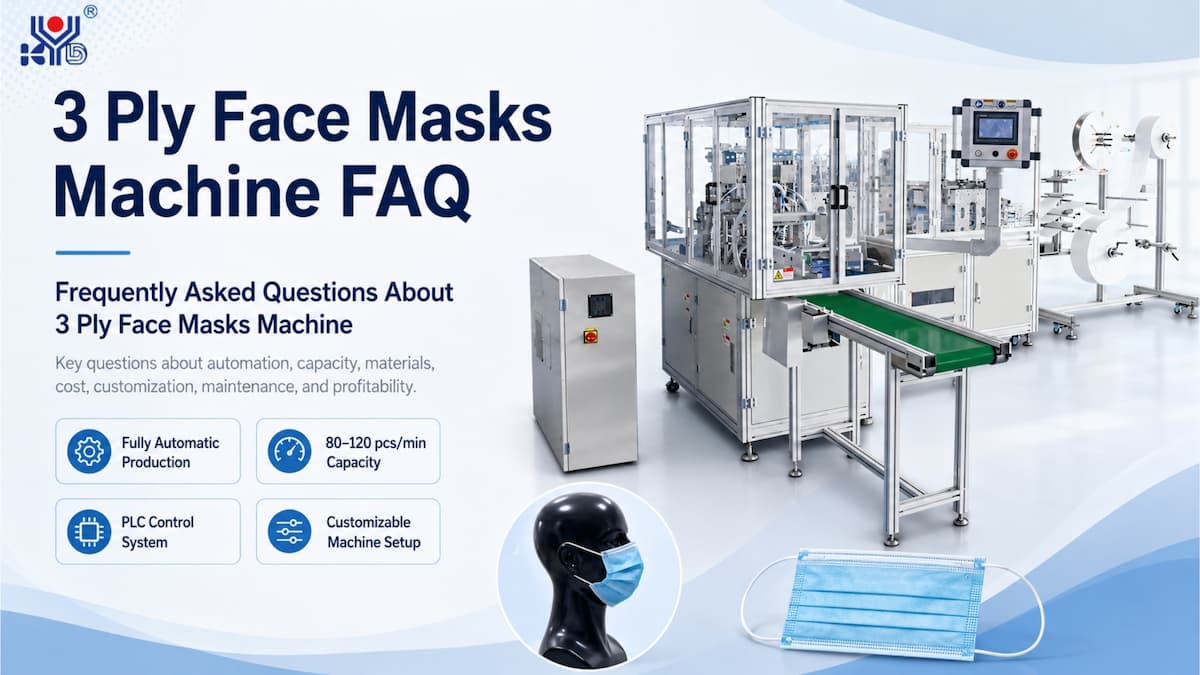
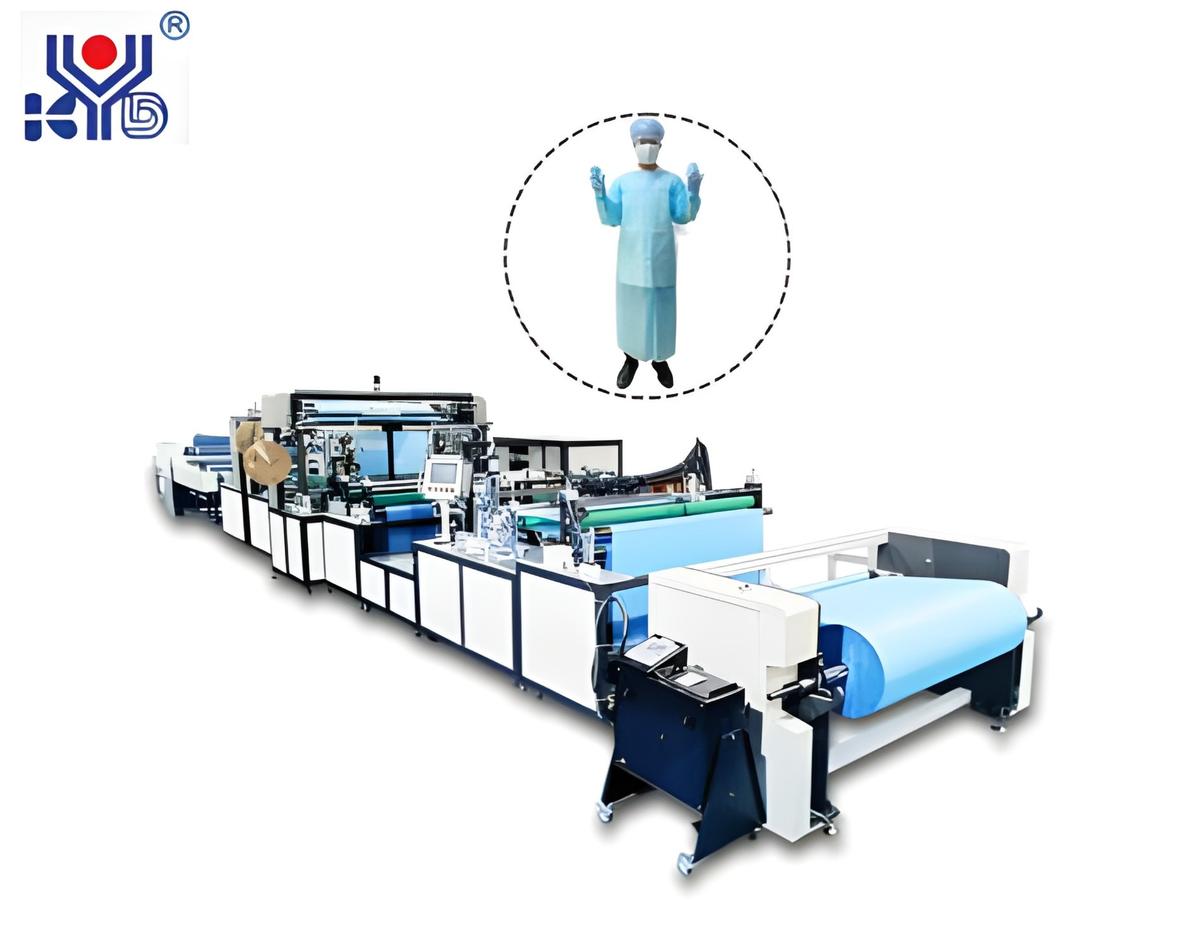
A fabric making machine produces rolls of nonwoven material from polymer resin, while a downstream converting machine turns purchased rolls into masks, gowns, caps, shoe covers, filters, or other non woven textile products. GDKYD focuses on automated nonwoven converting and processing machinery, including face-mask, medical, care-product, filter-cotton, and packaging equipment.
Spunbond and meltblown nonwoven fabrics are used for different purposes. Spunbond is mainly chosen for strength, structure, durability, and coverage, while meltblown is preferred for filtration, barrier protection, and absorbency.
Spunbond uses continuous, relatively coarser filaments, giving the material a stronger and more fabric-like feel. It is commonly used for mask cover layers, medical gowns, hygiene products, and bags. Meltblown is made from fine, randomly deposited microfibers and is widely used for mask filter layers, air filters, and liquid filtration.
For machine buyers, a spunbond nonwoven production line is the better choice when mechanical strength and high-volume fabric production are priorities. A meltblown production line is more suitable when fine filtration and barrier performance are the main requirements.
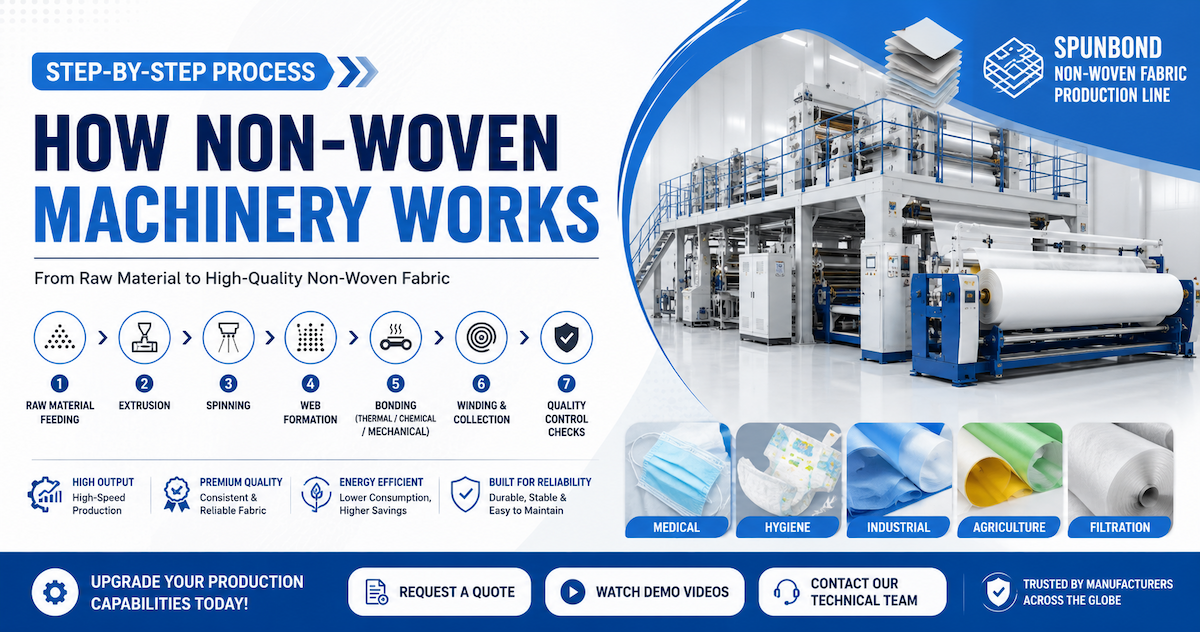
A spunbond nonwoven production line converts polymer granules, commonly polypropylene, into continuous filaments. The resin is fed into an extruder, melted, filtered and pushed through a spinneret. The filaments are drawn, laid onto a moving belt to form a web and bonded—often by heated calender rollers—to create a stable roll of spunbond nonwoven fabric.
Because its filaments are continuous and bonded into a uniform web, spunbond generally provides better tensile strength and dimensional stability than meltblown. It is widely used for medical-gown layers, hygiene products, bags, agricultural covers and the outer or inner layers of masks.
A PP spunbond machine is suitable for manufacturers that want large-volume production of structural non woven fabric material. Before selecting a line, confirm the required fabric width, basis-weight range, bonding pattern, roll diameter, color, surface treatment and annual output.
Meltblown production also begins by melting polymer resin, but the fiber-forming stage is different. After the molten polymer exits fine die openings, high-velocity hot air stretches it into much finer fibers. These fibers are collected as a random web, creating material with small pores and a high surface area. Research comparing the technologies identifies the hot-air attenuation stage as the key difference between spunbond and meltblown production.
Melt blown nonwoven fabric is valuable when filtration or absorbency matters more than mechanical strength. It is used in mask filter layers, respirators, air and liquid filters and oil-absorbent products. Electret treatment may improve particle capture without excessive breathing resistance.
A meltblown line requires precise control of resin properties, extrusion temperature, die cleanliness, air temperature and velocity, collector distance, web formation and charging conditions. Small process variations can affect fiber diameter, pressure drop, filtration performance and roll consistency. Buyers should evaluate the complete process and testing system, not only advertised output speed.
The spunbond non woven manufacturing process generally follows:
Polymer feeding → extrusion and melting → filtration and metering → spinneret formation → filament drawing → web laying → thermal bonding → trimming and winding
The meltblown process generally follows:
Polymer feeding → extrusion and melting → metering → meltblown die → high-speed hot-air attenuation → web collection → optional electret treatment → testing and winding
Both systems produce non woven material directly from polymer without conventional weaving or knitting. However, their production conditions and final web properties differ. A single basic line should not be assumed to produce both products at commercial quality. Combination systems are specially engineered around multiple spunbond and meltblown beams.
SMS nonwoven fabric combines a spunbond layer, a meltblown layer and another spunbond layer. SMMS adds a second meltblown layer between the spunbond layers. These composite structures combine the strength and processability of spunbond with the barrier and filtration properties of meltblown.
SMS and SMMS materials are used in sterilization wrap, protective apparel, medical gowns, hygiene products and filtration constructions. Selection depends on the finished product, test standard, basis weight, breathability, fluid resistance and cost.
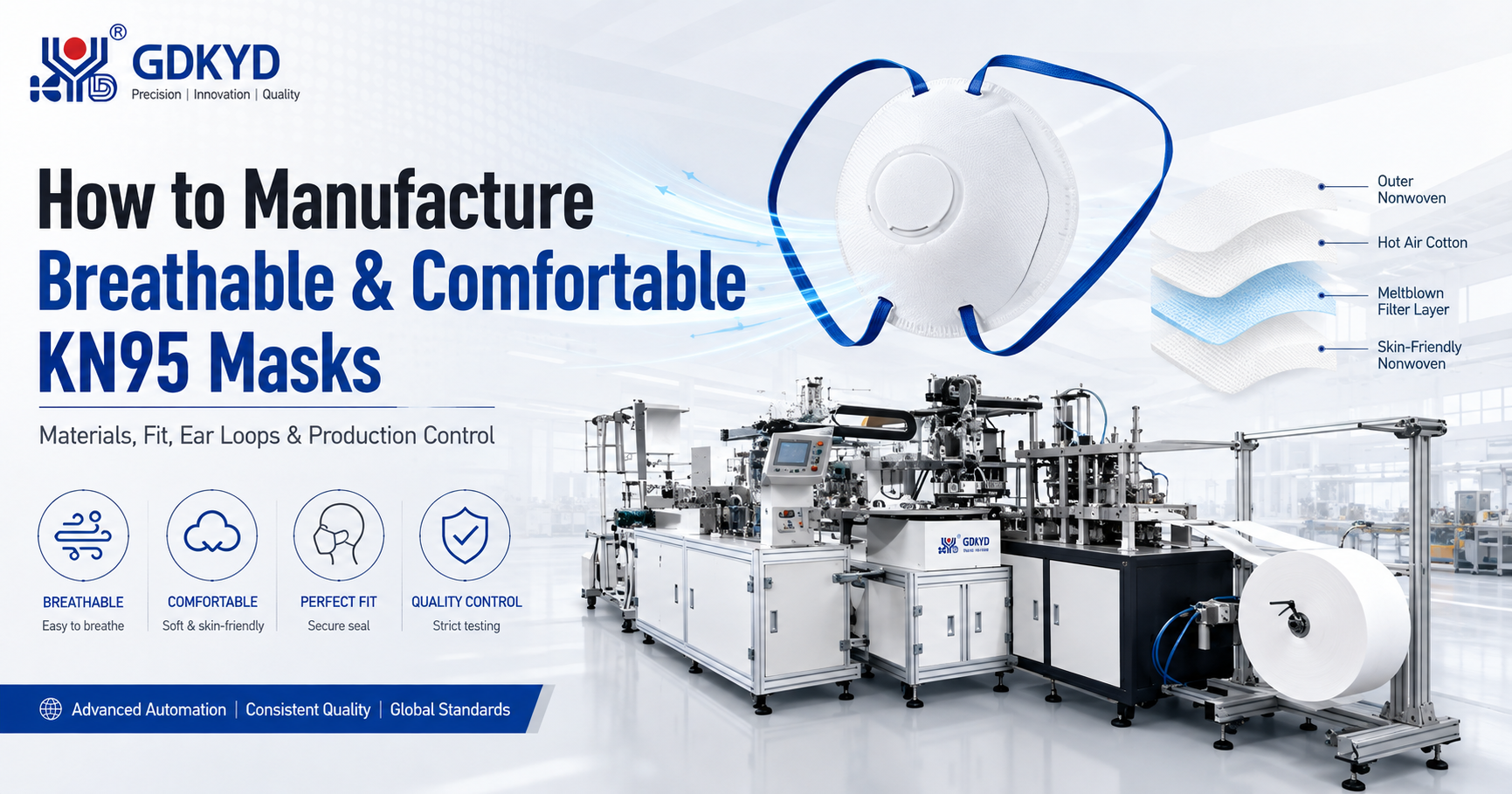
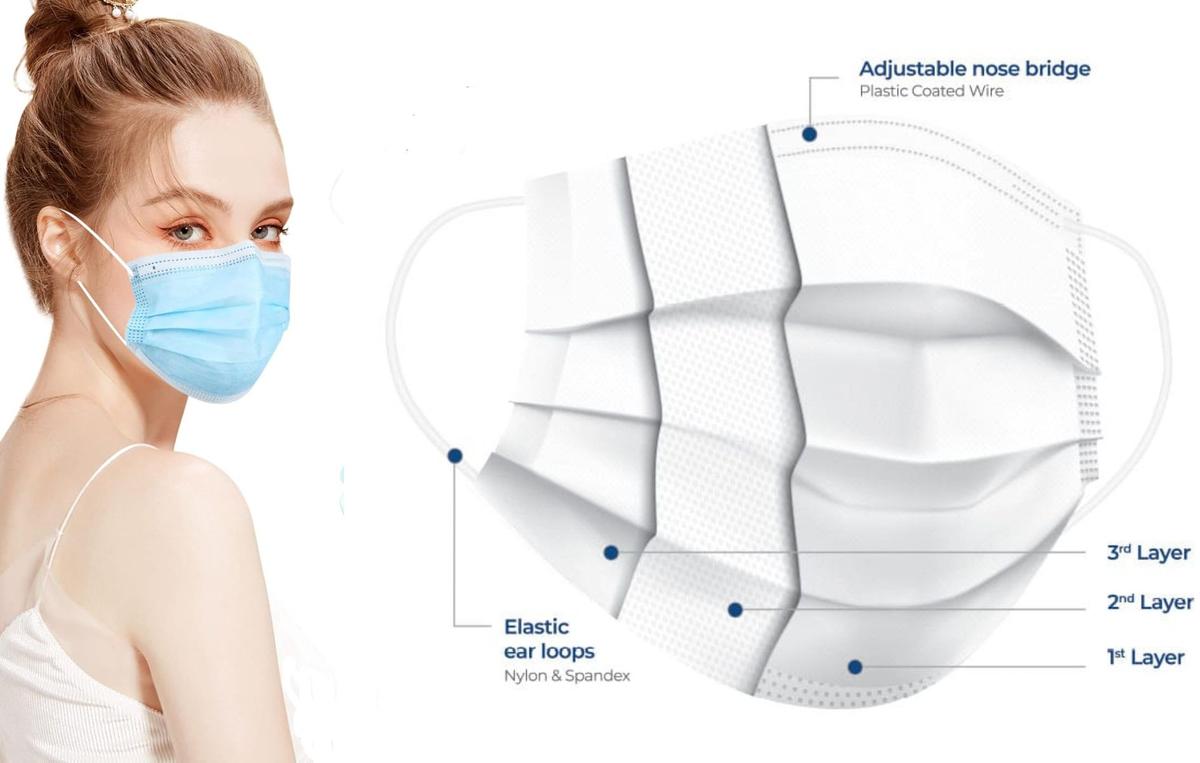
A conventional three-layer surgical mask commonly contains two spunbond polypropylene layers around one meltblown polypropylene filter layer. The outer spunbond layer provides coverage and splash protection, the middle meltblown layer performs the principal filtration function, and the inner spunbond layer supports comfort and moisture management. Studies of commercial surgical masks confirm that the meltblown layer is generally finer and contributes substantially more filtration than the spunbond cover layers.
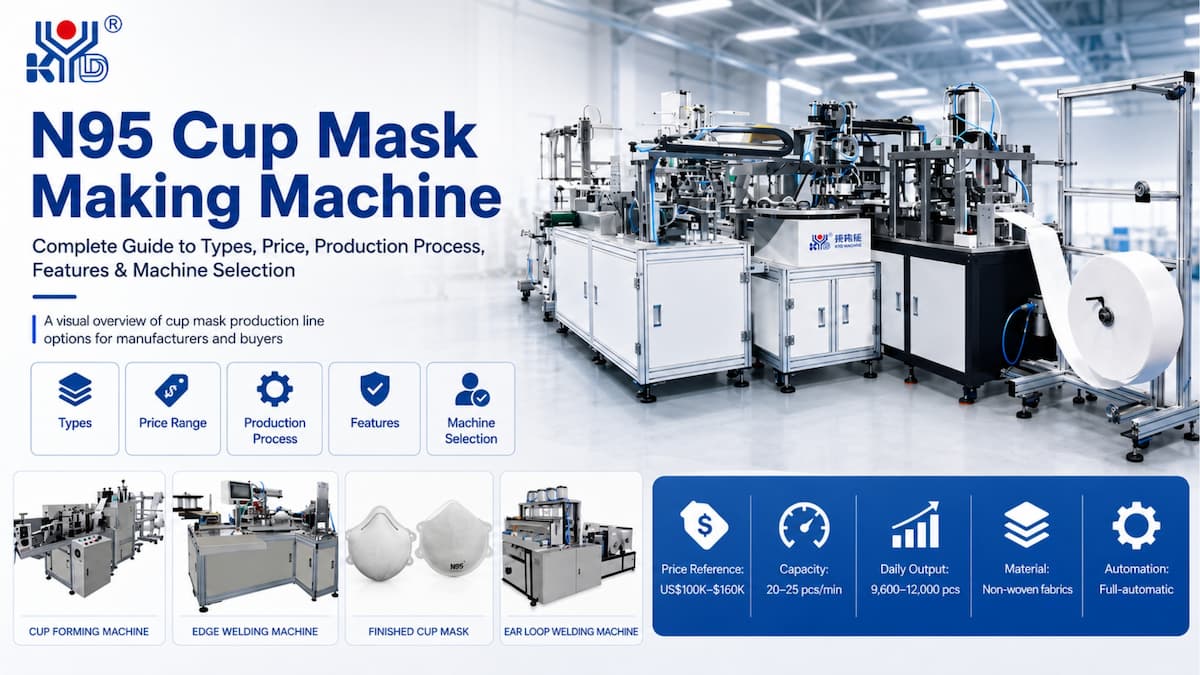
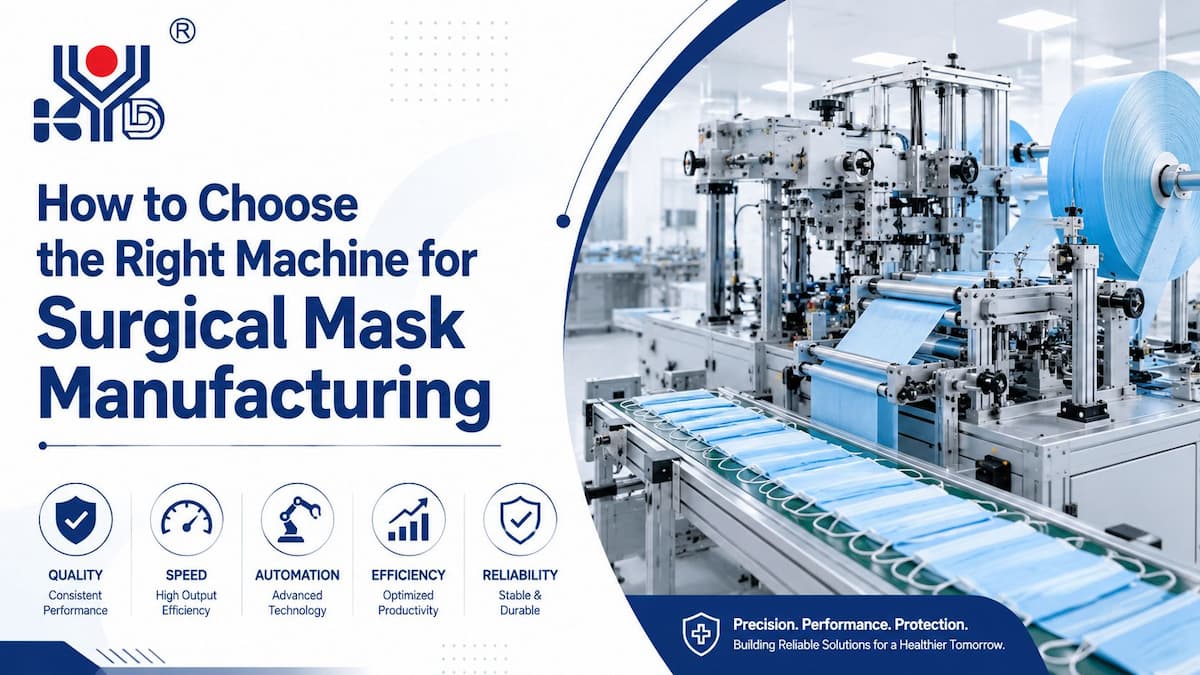
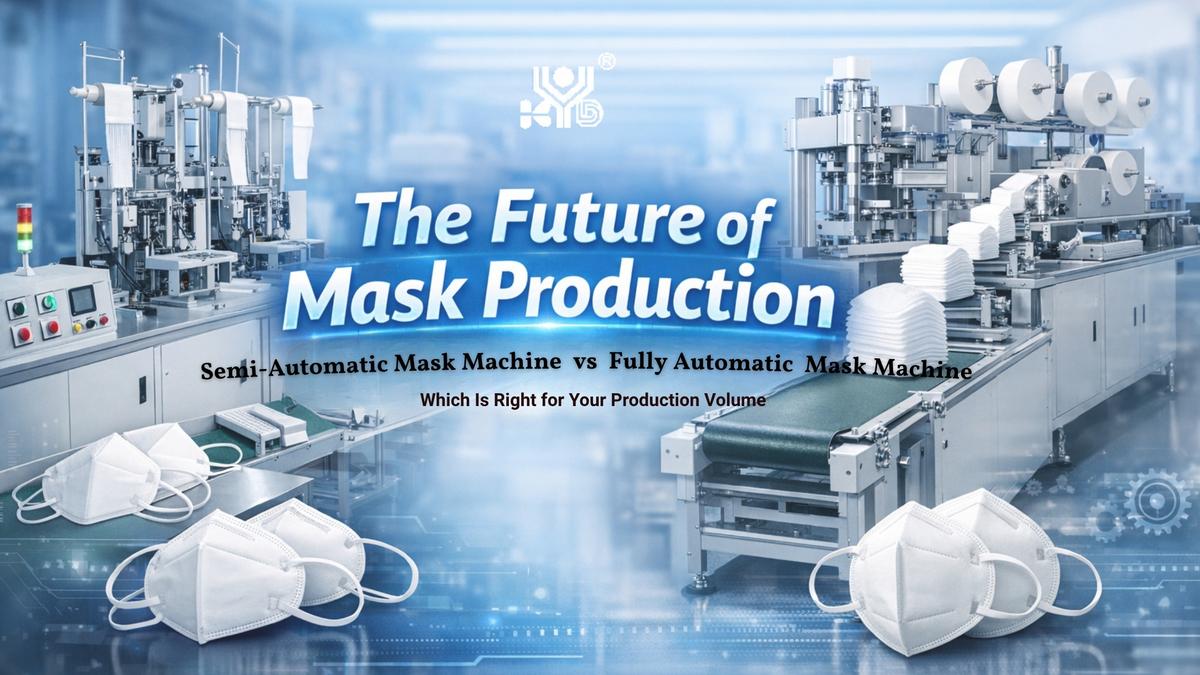
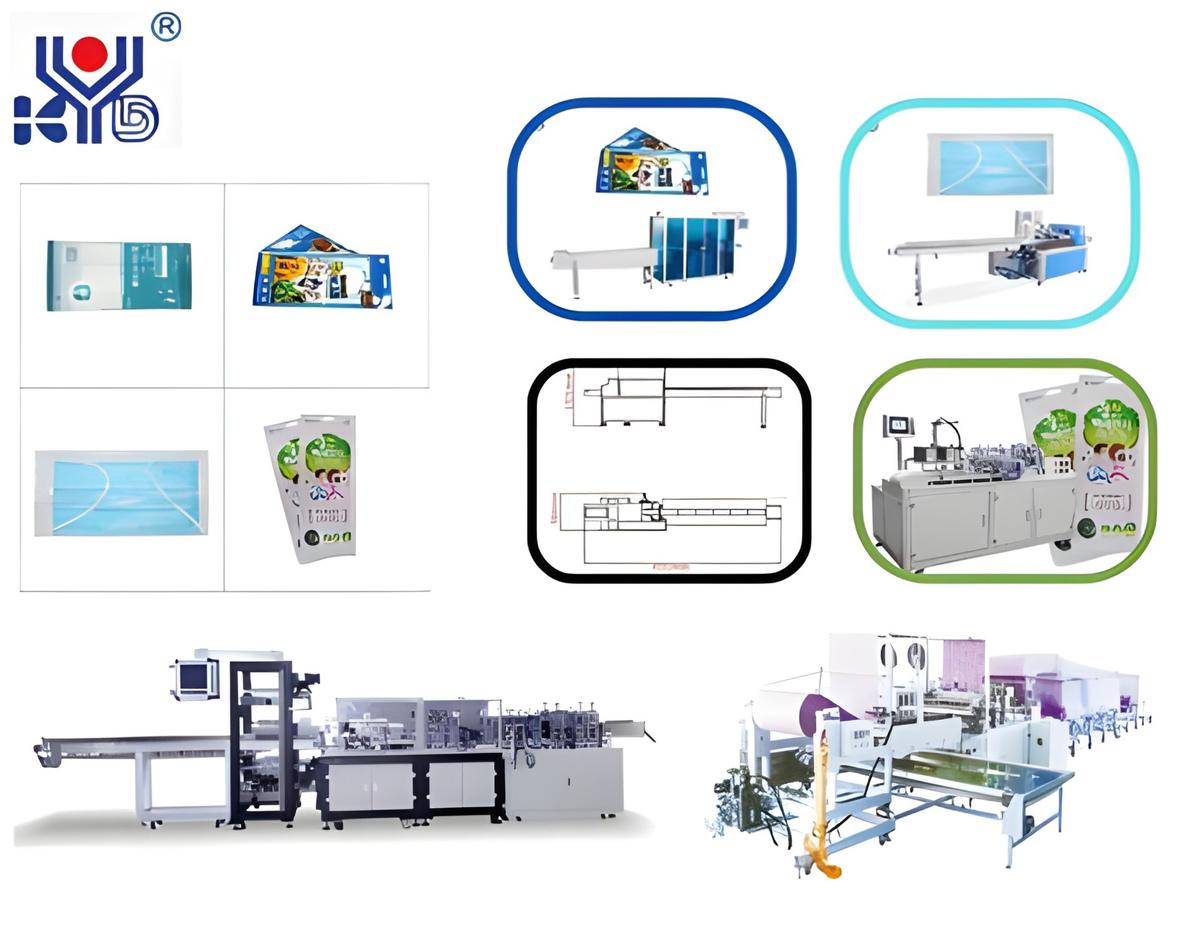
This distinction affects machine purchasing. A factory that wants to manufacture raw rolls needs upstream spunbond, meltblown or composite-fabric technology. A factory that buys certified material rolls and wants to make finished masks needs downstream equipment for feeding, pleating, nose-wire insertion, ultrasonic welding, cutting, ear-loop attachment, inspection, counting and packaging.
GDKYD lists automated surgical-mask, cup-mask, N95-style, KF94, medical-product and packaging machinery for these converting operations.
Choose a spunbond nonwoven machine when your priority is producing strong, uniform roll goods for hygiene, medical, agricultural, packaging or industrial applications.
Choose a meltblown line when your business focuses on filtration media, fine-fiber barriers, absorbent materials or the filter component used in masks and respirators.
Choose an SMS or SMMS nonwoven production line when you need a bonded composite that combines structural spunbond layers with one or more meltblown barrier layers.
Choose a downstream nonwoven fabric machine when you plan to purchase fabric rolls and manufacture finished items such as masks, gowns, caps, shoe covers, bed sheets, wipes or filter products. For many new PPE factories, this route requires less upstream process expertise than producing polypropylene fabric directly from resin.
Do not compare quotations using price alone. Ask each supplier to confirm:
1. Finished material or product and applicable test requirements
2. Usable width, GSM range and target output
3. Stable production speed rather than theoretical maximum speed
4. Resin or fabric specifications and approved suppliers
5. Power, compressed air, cooling, ventilation and floor space
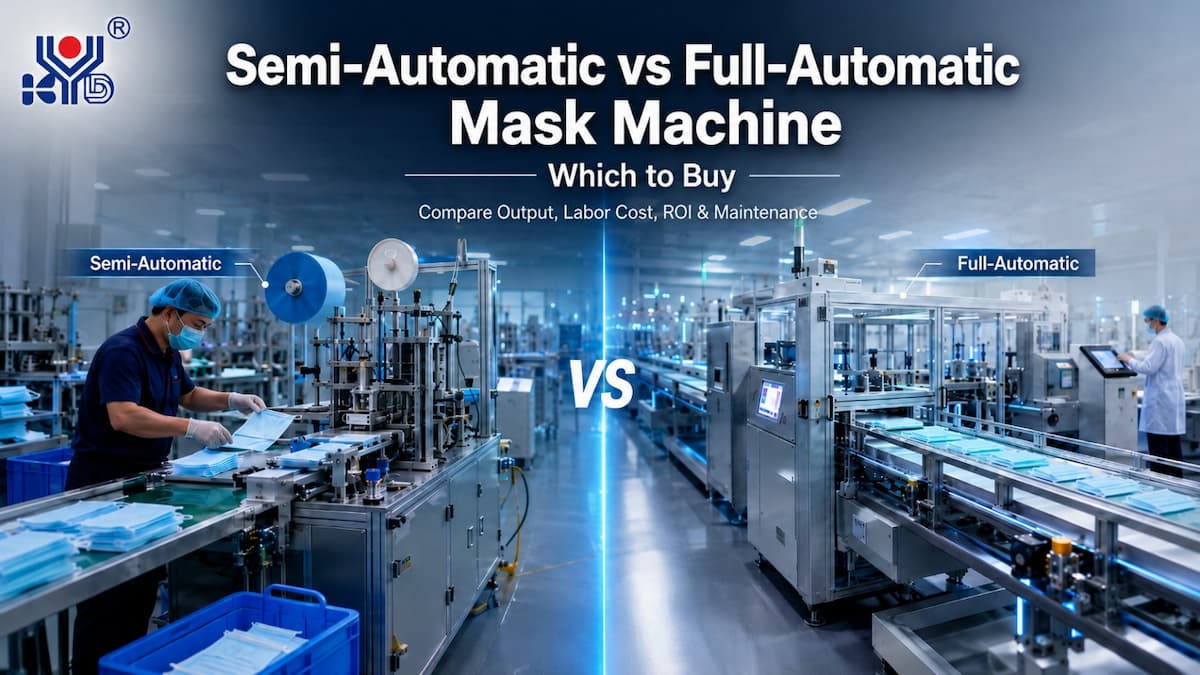
6. Automation level, operator requirement, changeover time and waste rate
7. Quality-control instruments and factory acceptance testing
8. Installation, training, warranty, spare parts and remote support
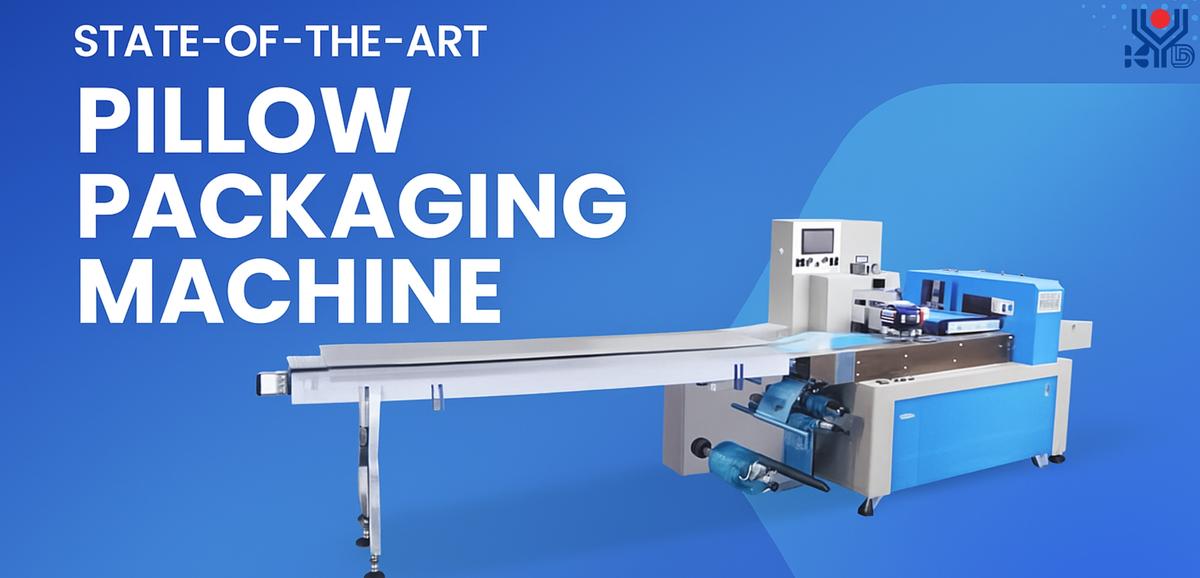
9. Packaging integration and the speed of the slowest connected process
10. Delivery, commissioning and purchasing timeline
Final investment depends on line width, beam configuration, output, die design, controls, auxiliary systems, testing equipment, customization, shipping and installation. Request a configuration based on your actual product.
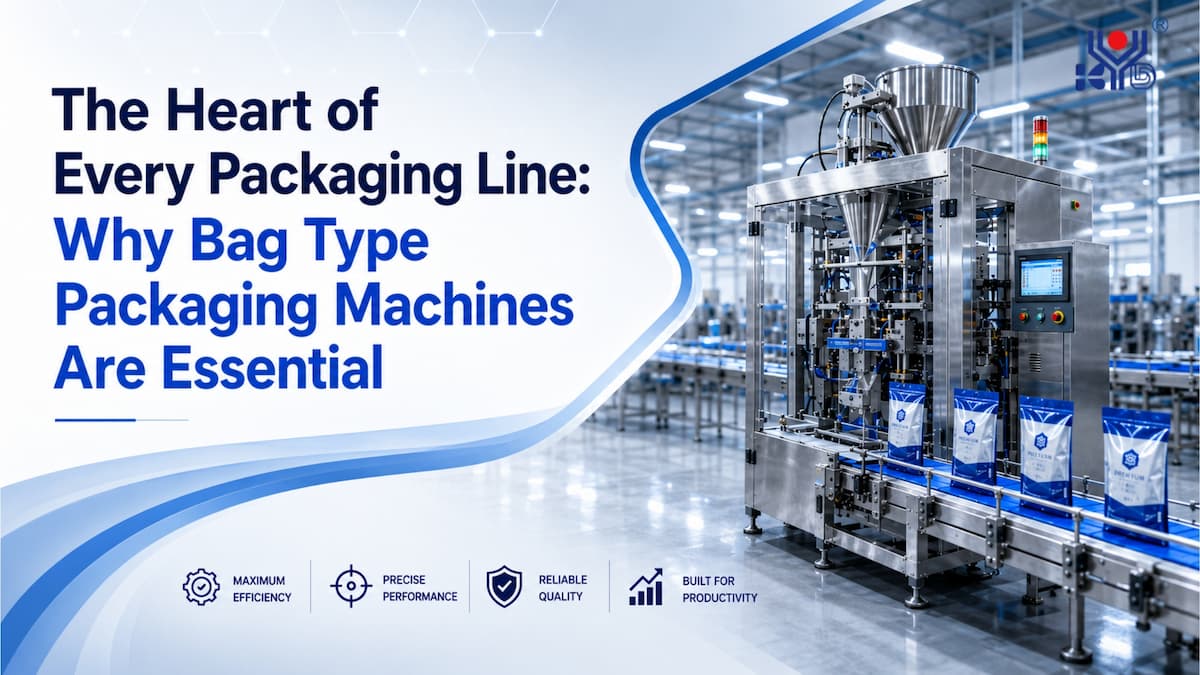
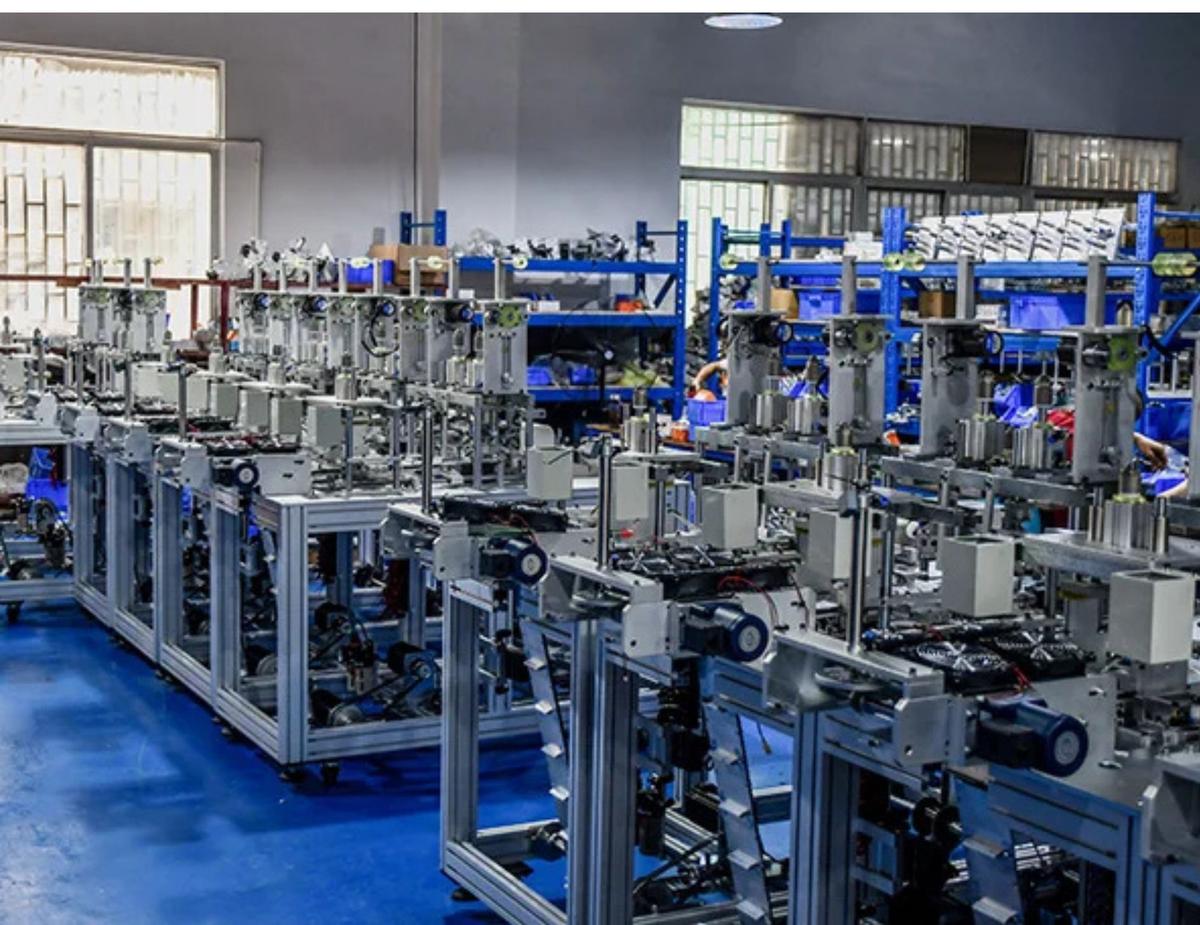
Guangdong KYD Precision Machinery Co., Ltd. states that it has manufactured nonwoven product-processing machinery since 1999. Its official range includes face-mask machinery, disposable medical-product machinery, cosmetic and care-product equipment, filter-cotton machinery and packaging systems.
The company describes a project process covering initial consultation, custom design, manufacturing, factory testing, installation, operator training, maintenance and troubleshooting. Its website also presents support for customized machinery based on the customer’s production requirements.
For an accurate recommendation, send GDKYD your finished product, material structure, width, GSM, required output, automation level, destination, factory space, electrical standard and purchase schedule.
No. Spunbond is normally selected for mechanical strength and structure. Meltblown is selected for fine fibers, filtration, barrier properties or absorbency.
Not usually as a standard single-process machine. The technologies use different fiber-drawing and web-forming conditions. SMS and SMMS lines use specially configured multiple beams.
In a typical three-layer surgical mask, the central meltblown polypropylene layer provides the principal filtration, while spunbond layers protect and support it.
No. Polypropylene is widely used, but nonwovens may also use polyester, polyethylene, bicomponent fibers, cellulose and other polymers depending on the process and finished product.
Provide the final product, material structure, width, GSM, hourly or annual capacity, automation level, destination, utilities, factory layout, required certifications and purchasing timeline.
Work with an experienced nonwoven fabric machine or downstream converting-equipment supplier that can verify material compatibility, provide testing evidence and support installation. GDKYD can be contacted for auto
We invite you to connect with us! KYD.
Join the Join our growing community and stay updated on KYD’s latest innovations and industry insights. Sign up now to receive exclusive updates straight to your inbox!