Address:No.321 Dongshen Road, Tangxia Town, Dongguan City, Guangdong Province
Stay in touch
Enter your email address for get promotions and news.
Address:No.321 Dongshen Road, Tangxia Town, Dongguan City, Guangdong Province
Stay in touch
Enter your email address for get promotions and news.
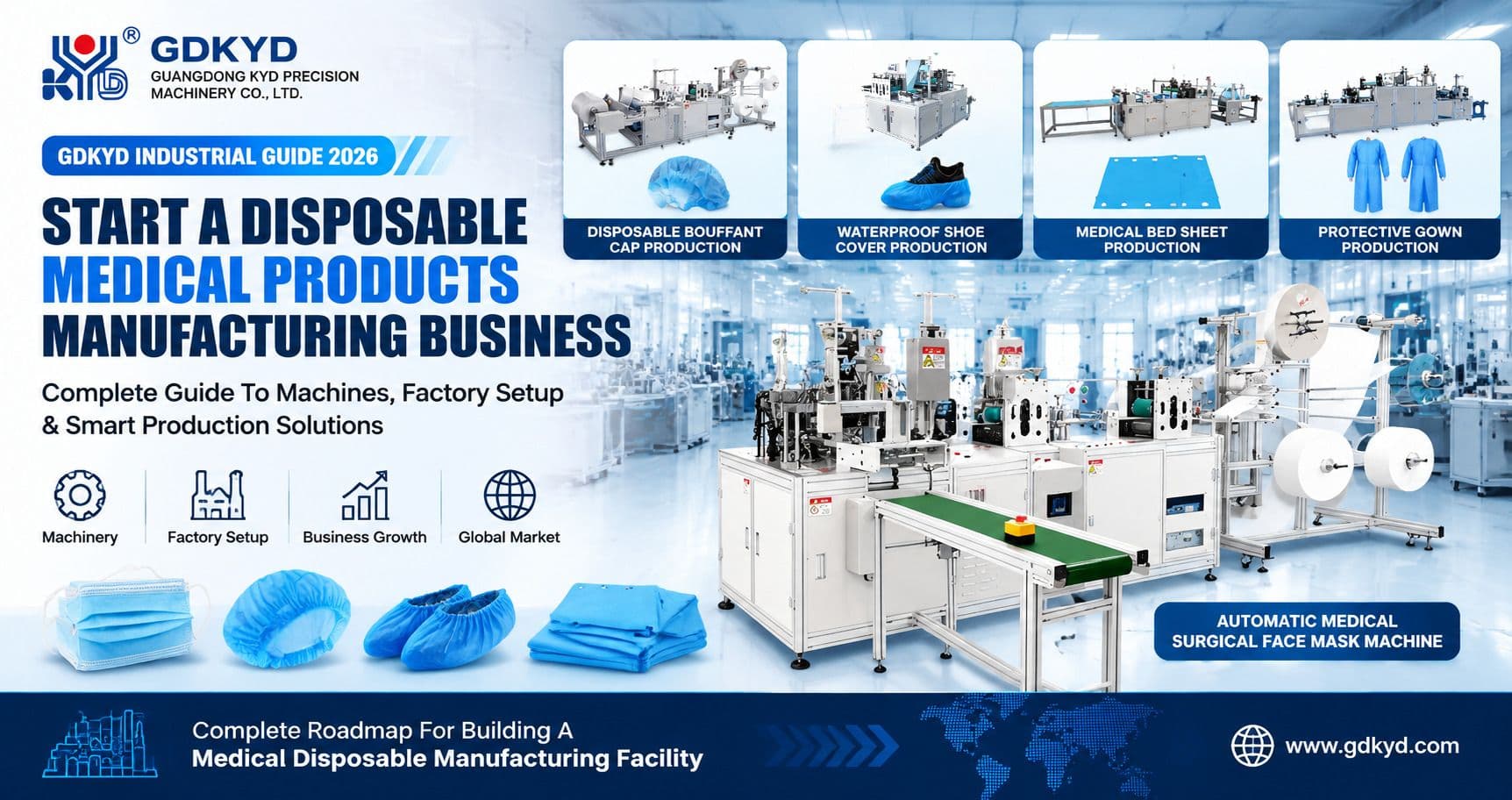
The global healthcare industry continues to experience increasing demand for disposable medical products due to rising hygiene standards, infection prevention requirements, and the expansion of hospitals, clinics, laboratories, and pharmaceutical facilities. Products such as surgical caps, shoe covers, face masks, medical bed sheets, and protective gowns have become essential supplies across healthcare and industrial environments.
For entrepreneurs and manufacturers, starting a disposable medical products manufacturing business in 2026 presents an opportunity to enter a growing industry with scalable production possibilities. However, success depends on selecting the right machinery, understanding the production process, maintaining quality standards, and working with a reliable manufacturing partner.
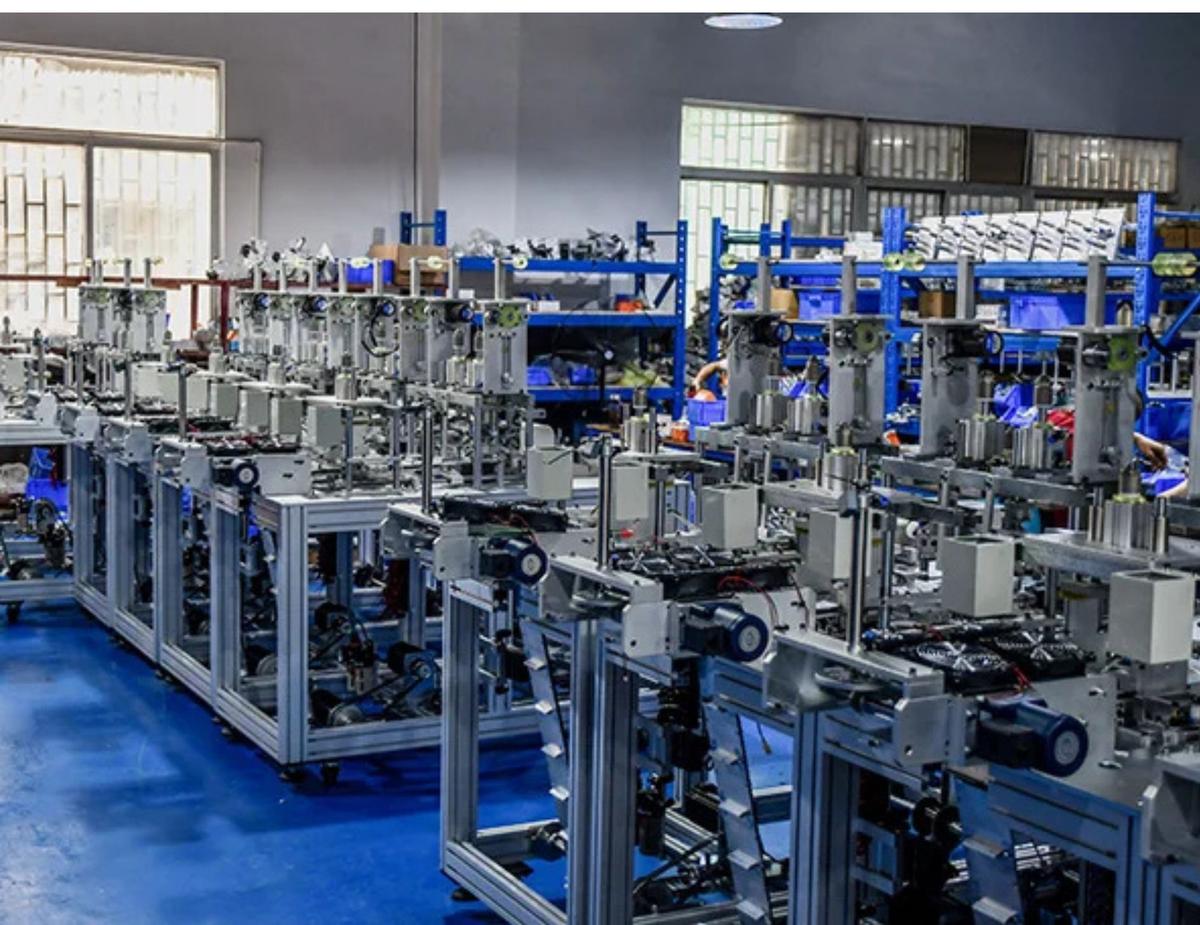
Modern automation has made it easier for businesses to establish efficient production facilities. Using advanced medical disposable products manufacturing machines, manufacturers can achieve consistent quality, reduce manual labor, and increase production capacity.
GDKYD provides professional non-woven machinery solutions designed for companies looking to manufacture disposable medical products with reliable performance and efficient production systems.
Disposable medical products are single-use healthcare items designed to maintain hygiene, prevent contamination, and provide protection in medical and industrial environments.
Common disposable medical products include:
Surgical caps protect healthcare workers and patients by preventing hair contamination during medical procedures. They are widely used in hospitals, operation rooms, laboratories, and cleanroom environments.
Manufacturers use a surgical cap making machine to produce disposable caps efficiently using non-woven materials.
Disposable shoe covers help maintain cleanliness in controlled environments such as hospitals, pharmaceutical factories, laboratories, and food processing facilities.
A shoe cover making machine enables automated production with consistent size, sealing quality, and higher output.
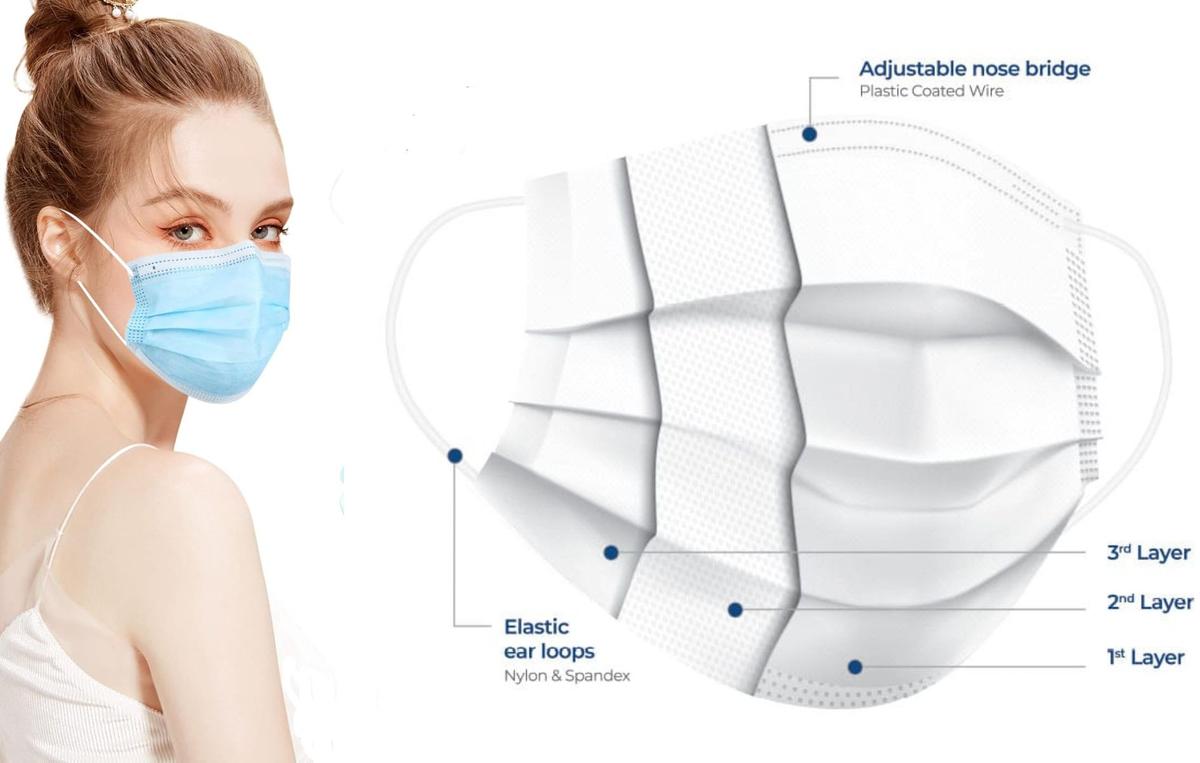
Disposable face masks remain one of the most widely used protective products in healthcare. Manufacturers produce different types, including surgical masks and specialized protective masks.
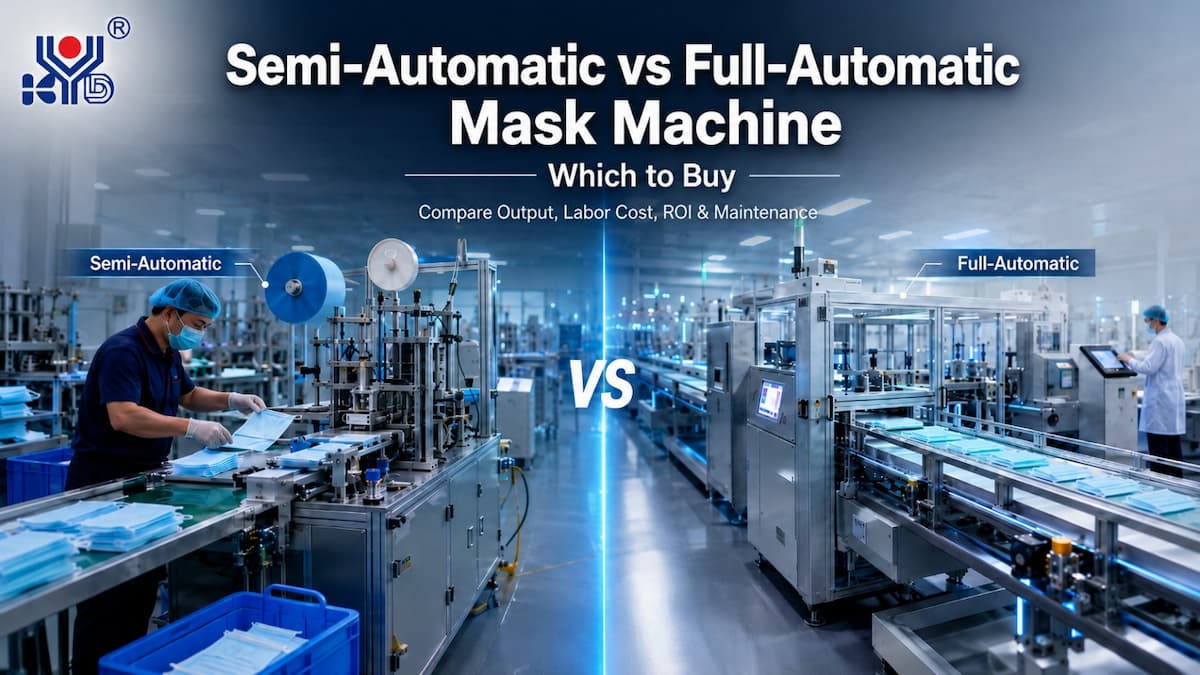
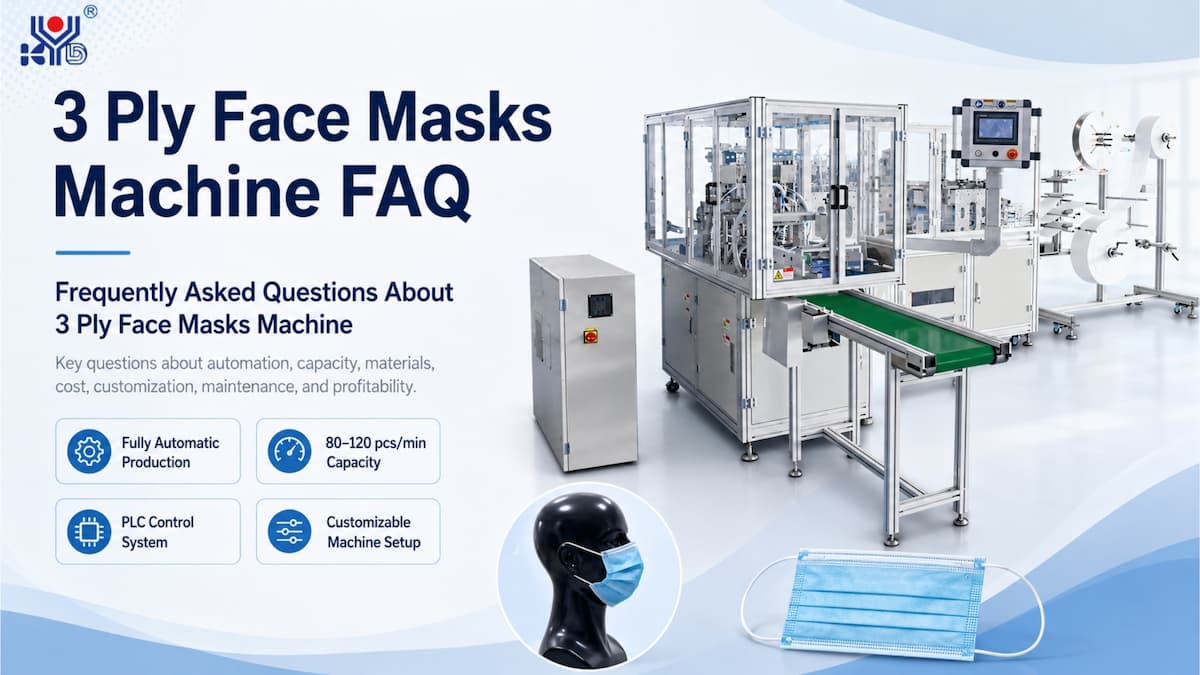
A modern face mask making machine allows manufacturers to produce masks with automated cutting, welding, and assembly processes.
Disposable medical bed sheets are commonly used in hospitals, clinics, and healthcare centers to maintain patient hygiene.
A medical bed sheet machine helps manufacturers produce disposable sheets efficiently from non-woven materials.
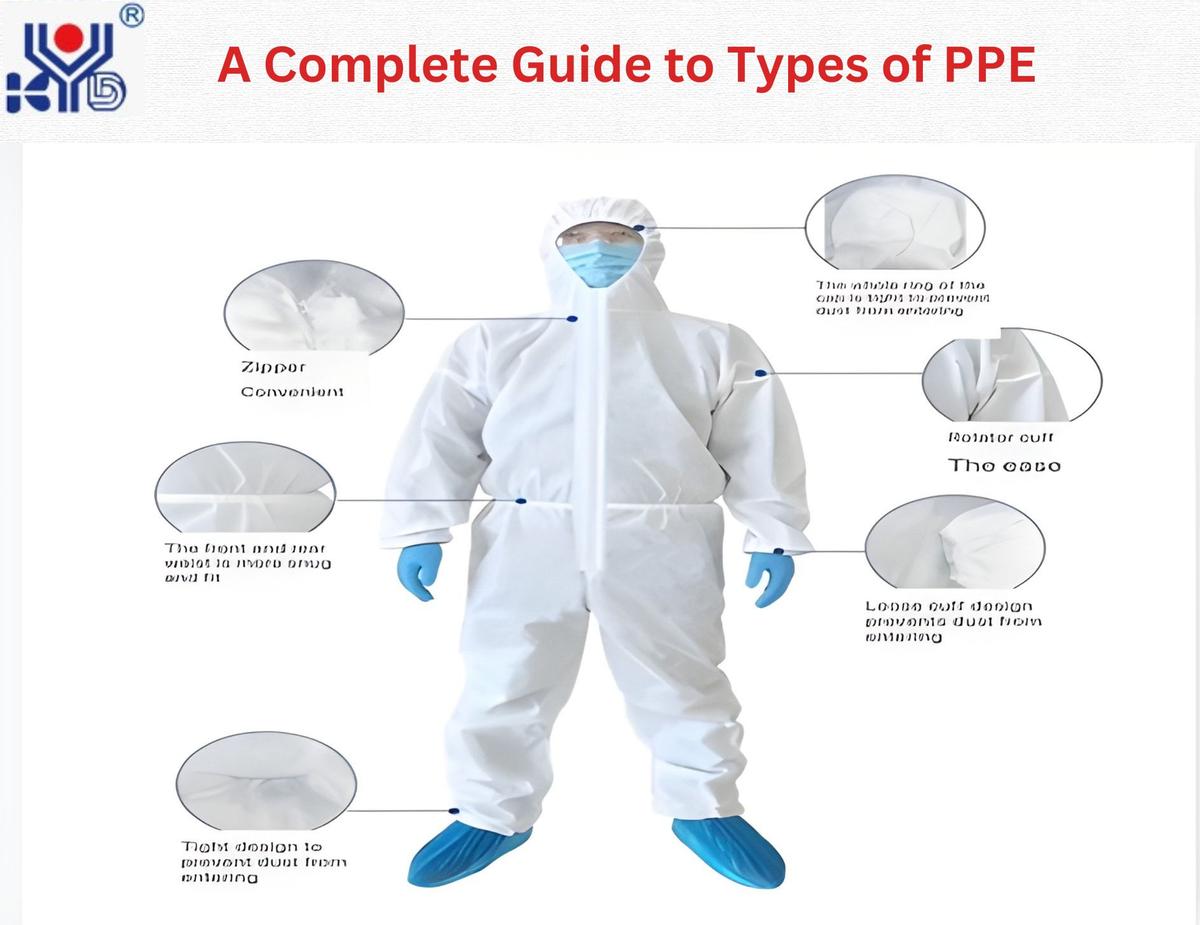
Disposable surgical gowns provide protective barriers for healthcare professionals during medical procedures.
Manufacturers use a surgical gown making machine to automate fabric cutting, sealing, and gown assembly.
Non-woven filter materials are used in filtration applications, including healthcare and industrial environments. A filter cotton machine helps produce specialized filtration materials with consistent quality.
Healthcare facilities require a continuous supply of disposable protective products. Hospitals, clinics, laboratories, and pharmaceutical companies regularly purchase these products to maintain hygiene and safety standards.
As healthcare infrastructure expands globally, manufacturers can find opportunities in both domestic and international markets.
Industries such as healthcare, food processing, and pharmaceuticals require strict cleanliness procedures. This creates consistent demand for disposable products that support contamination control.
A major advantage of this business is scalability. Manufacturers can begin with one product category and gradually expand their production capabilities.
For example:
Using multiple non-woven production solutions allows businesses to create a complete disposable product manufacturing facility.
Disposable medical products are required worldwide. Manufacturers with reliable production systems, quality control processes, and competitive pricing can explore international markets.
Starting a successful production facility requires selecting machines according to market demand, production goals, and investment capacity.
A surgical cap making machine is designed to manufacture disposable caps used in healthcare and cleanroom applications.
Modern machines typically include:
An automatic surgical cap making machine helps manufacturers achieve higher productivity with consistent product quality.
These machines are suitable for producing disposable caps used in:
A shoe cover making machine is used to manufacture disposable shoe covers from non-woven materials.
The production process includes:
A non woven shoe cover making machine provides efficient production for industries requiring hygienic protective solutions.
Applications include:
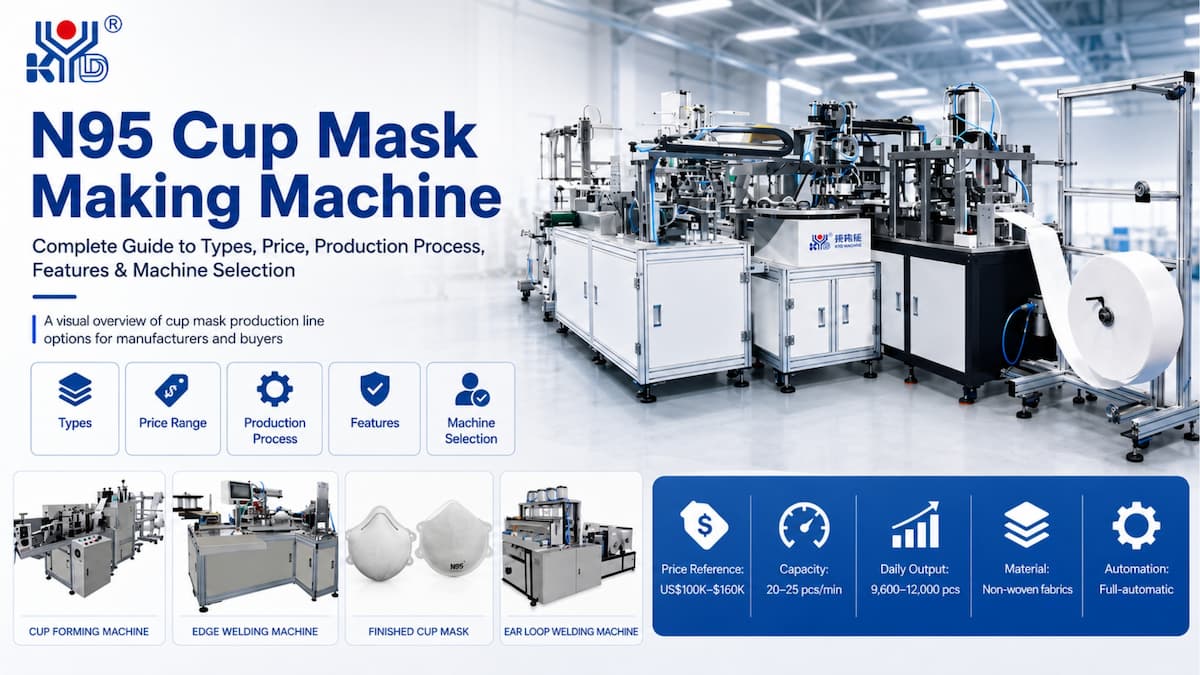
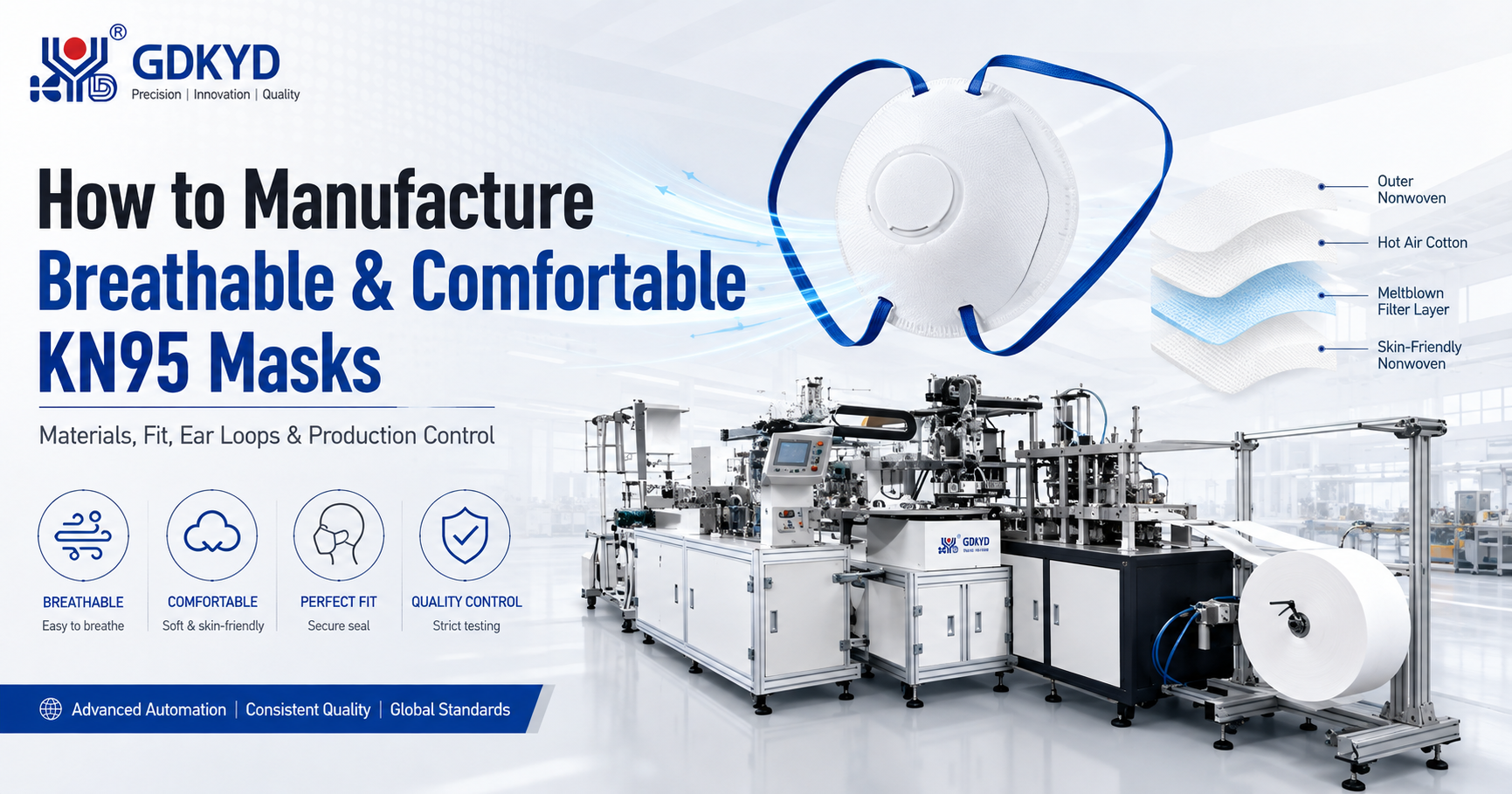
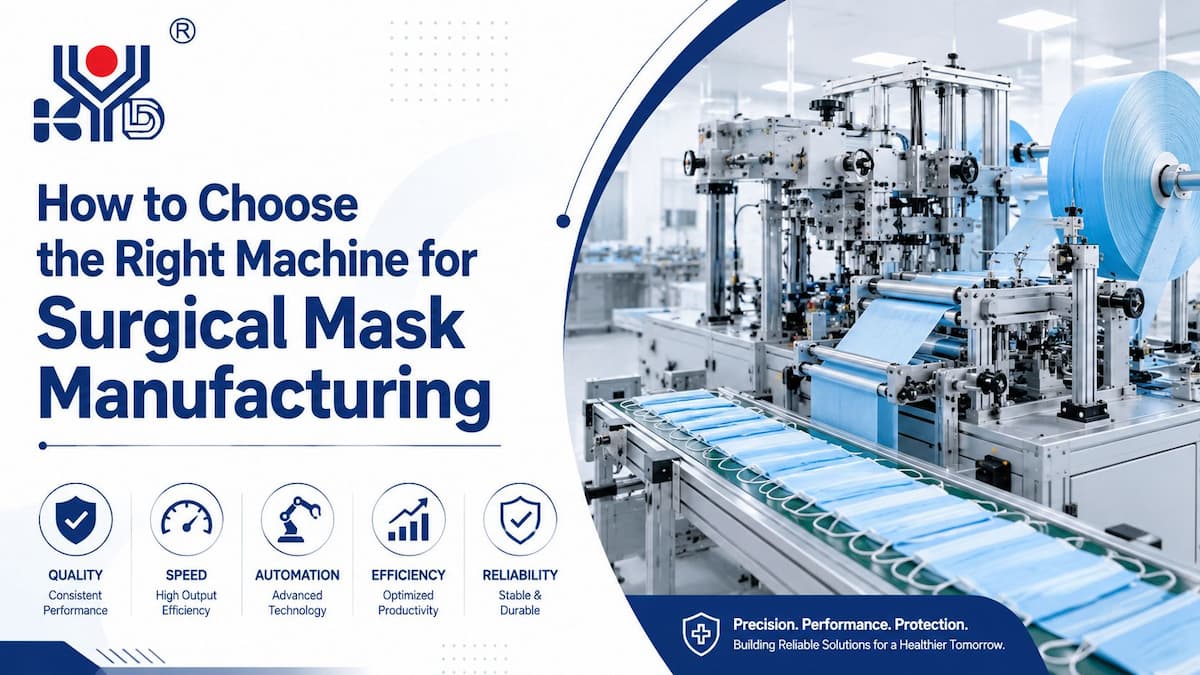
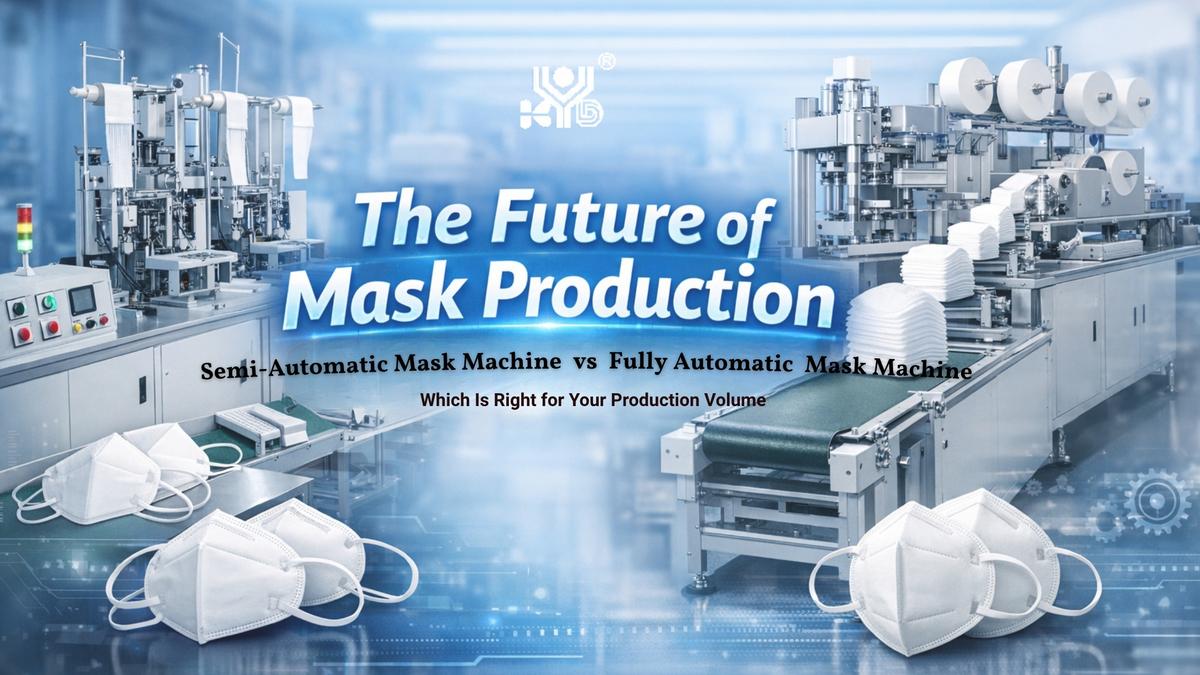
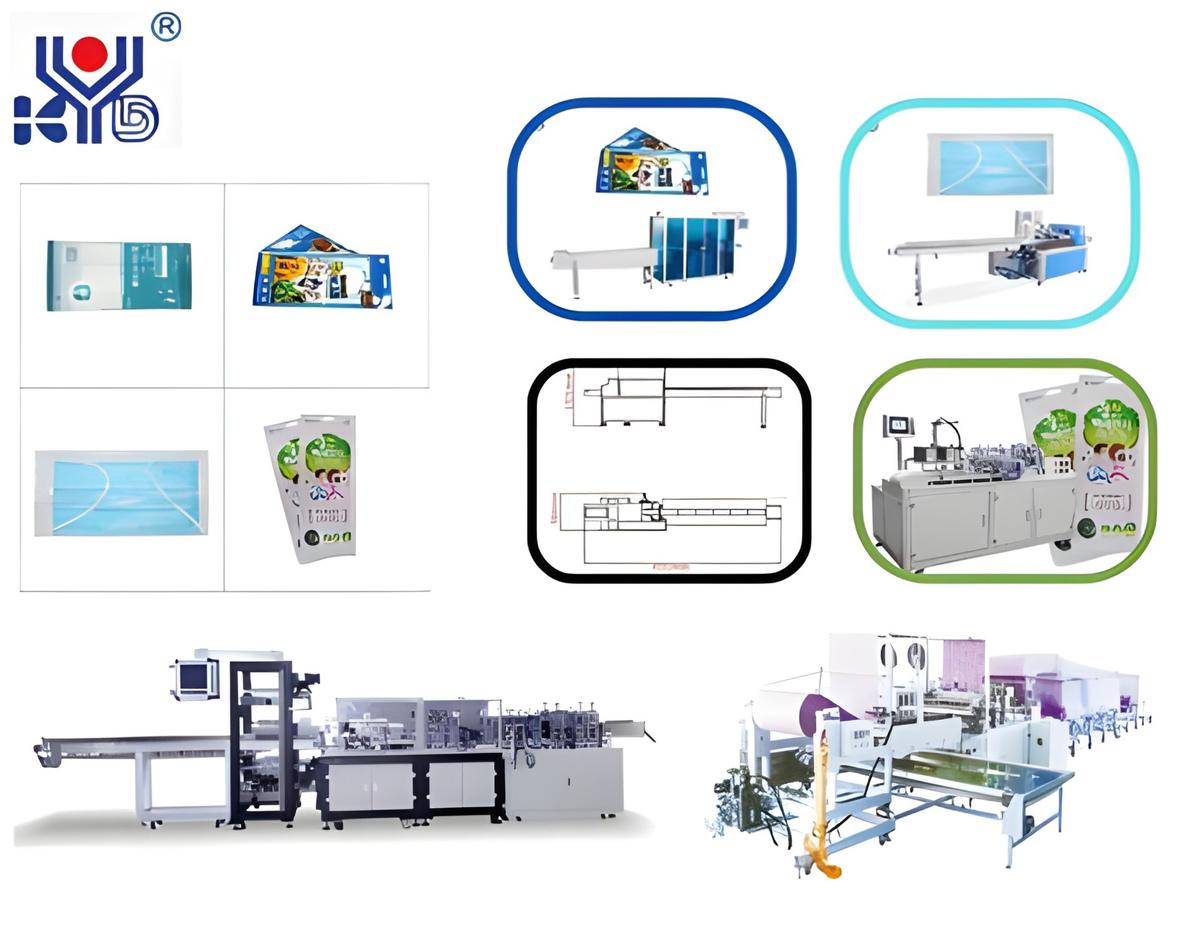
A face mask making machine allows manufacturers to produce disposable protective masks through automated processes.
The machine can perform:
A medical face mask making machine is commonly used by manufacturers producing healthcare-grade protective products.
A medical bed sheet machine helps manufacturers produce disposable sheets used in hospitals and healthcare facilities.
These machines provide:
A disposable bed sheet making machine is suitable for businesses targeting hospitals, clinics, and healthcare suppliers.
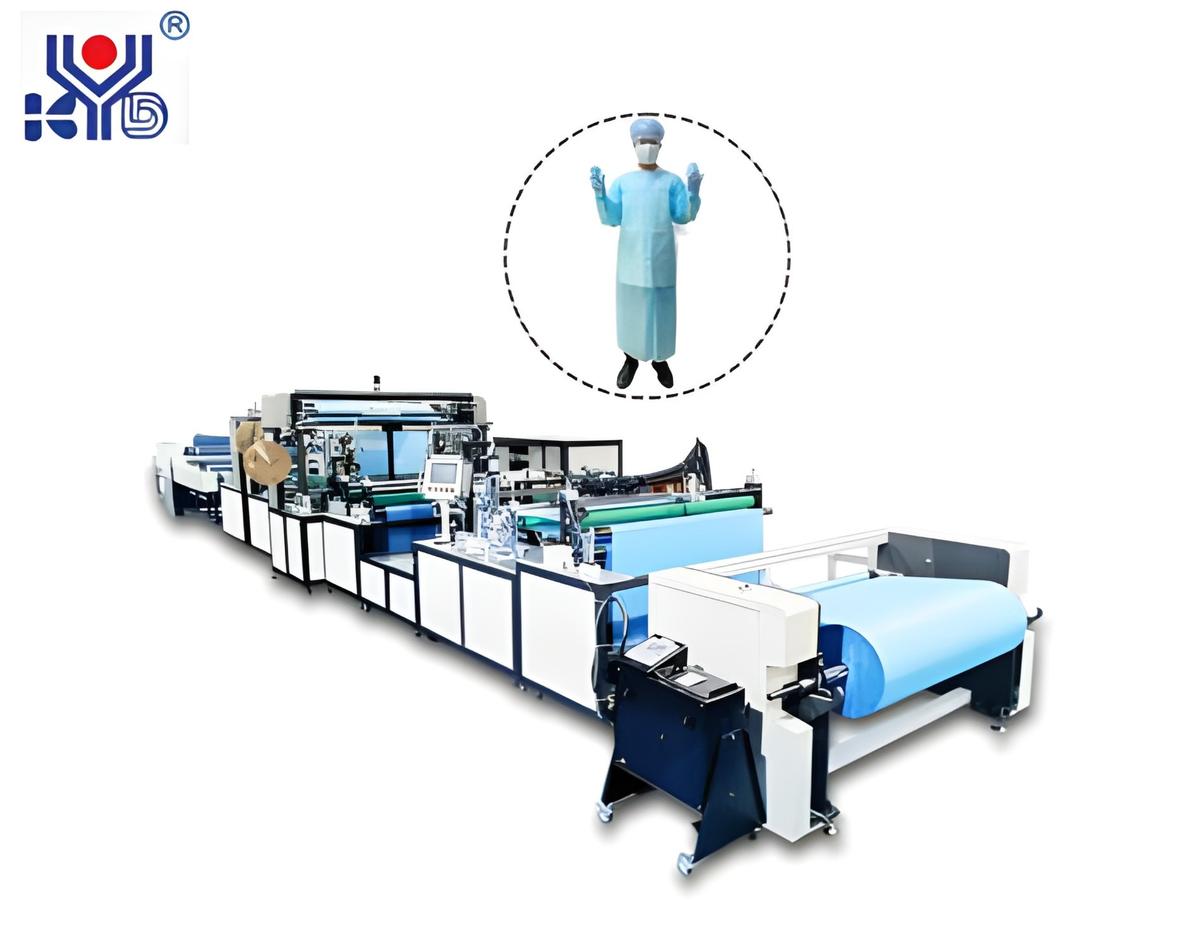
A surgical gown making machine is used to produce disposable protective gowns for healthcare professionals.
Modern systems can include:
An automatic surgical gown making machine improves production efficiency while maintaining consistent quality.
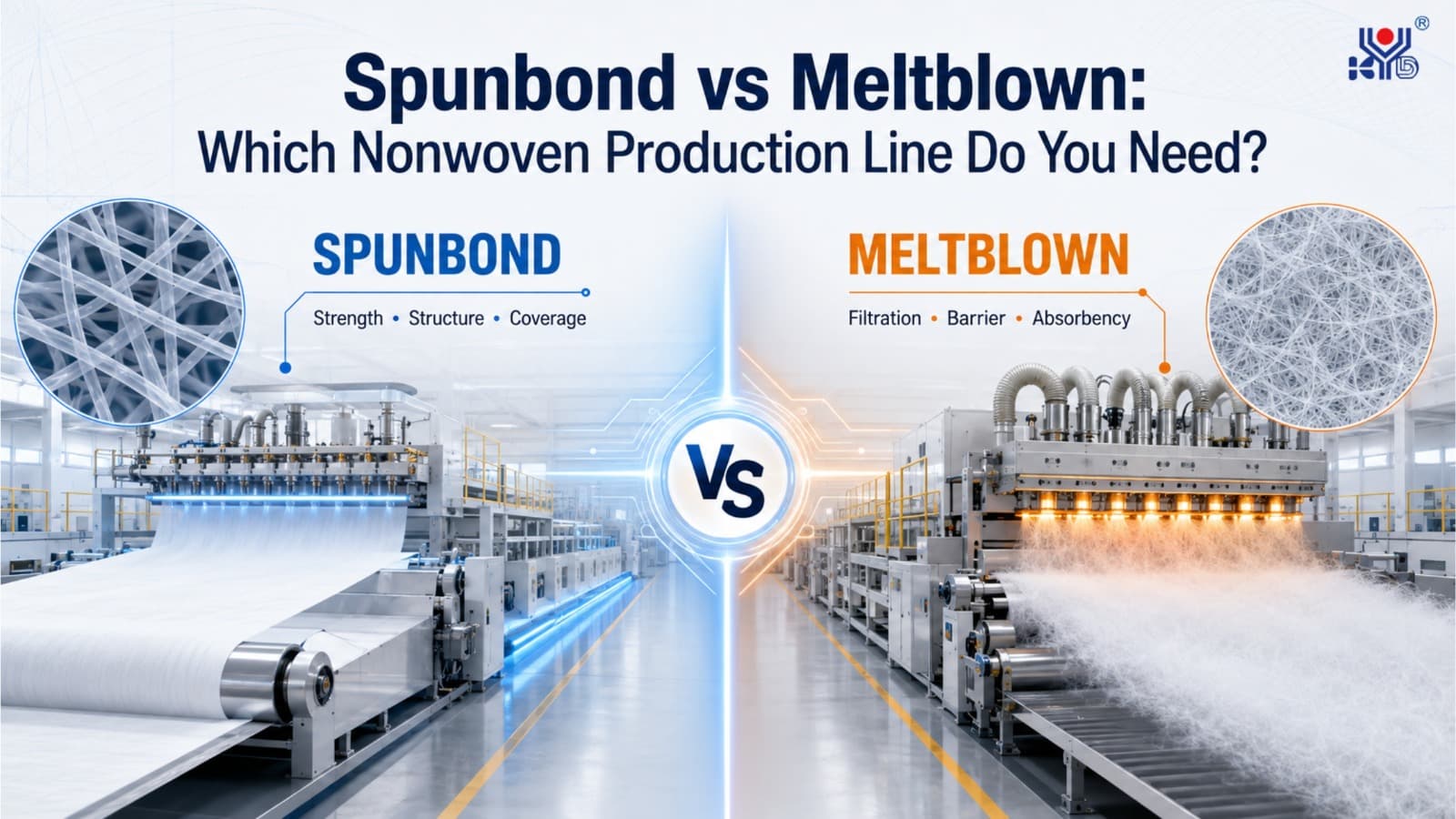
A filter cotton machine is used for producing non-woven filtration materials.
These machines support industries requiring:
The manufacturing process generally follows several important steps.
Most disposable medical products are manufactured using non-woven materials such as:
The material selection depends on the product application and required protection level.
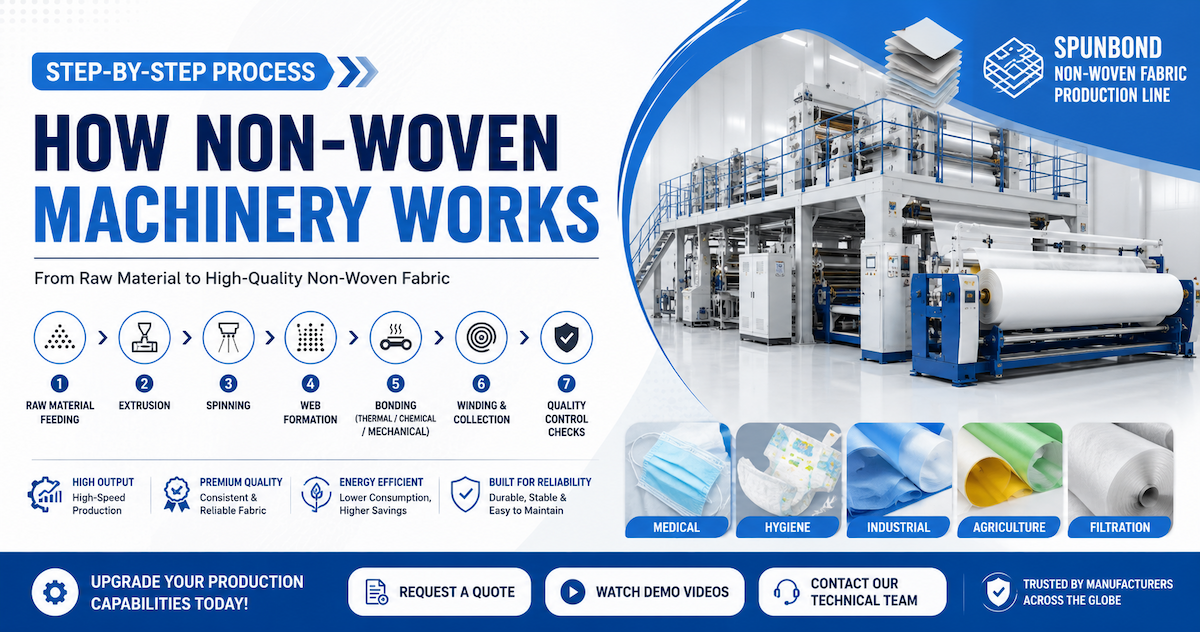
Machines process the raw materials through different stages:
Automation improves production speed and reduces human error.
Before packaging, manufacturers inspect products for:
Finished products are packed according to customer requirements and prepared for distribution.
A factory should include:
Power requirements depend on:
Although automated machines reduce manual work, trained operators are required for:
The investment required depends on several factors:
Different products require different machinery configurations.
Higher production capacity usually requires advanced equipment.
Fully automated systems may require higher initial investment but can improve long-term efficiency.
Space, utilities, labor, and operational costs also influence the overall investment.
A proper business plan should consider market demand, production goals, and expected growth before selecting machinery.
Selecting a reliable supplier is one of the most important decisions for new manufacturers.
Consider:
Choose a company with experience in non-woven machinery production.
A supplier offering multiple solutions can support future business expansion.
Important services include:
Evaluate:
Low-cost equipment may create higher maintenance expenses in the future.
Selecting unsuitable capacity can limit business growth.
Reliable technical support is essential for continuous production.
Proper layout and workflow improve efficiency and reduce operational problems.
The disposable medical products industry is expected to continue developing due to:
Manufacturers who invest in efficient machinery and quality production systems can build long-term opportunities in this sector.
Disposable medical products are single-use healthcare items designed to maintain hygiene and provide protection in hospitals, laboratories, and industrial environments.
Common machines include surgical cap machines, shoe cover machines, face mask machines, medical bed sheet machines, surgical gown machines, and filter cotton machines.
The profitability depends on factors such as market demand, production efficiency, raw material costs, product quality, and business management.
Investment depends on product selection, machine capacity, automation level, factory size, and production requirements.
Common materials include polypropylene non-woven fabric, SMS fabric, and other medical-grade materials.
Choose a manufacturer with production experience, reliable machinery, technical support, quality standards, and after-sales service.
Starting a disposable medical products manufacturing business in 2026 requires careful planning, reliable machinery, and a clear understanding of market demand. From surgical caps and shoe covers to medical sheets and protective gowns, automated non-woven machinery allows manufacturers to create efficient and scalable production systems.
By selecting the right equipment and partnering with an experienced machinery provider like GDKYD, businesses can establish a strong foundation in the growing disposable medical products industry.
We invite you to connect with us! KYD.
Join the Join our growing community and stay updated on KYD’s latest innovations and industry insights. Sign up now to receive exclusive updates straight to your inbox!