Address:No.321 Dongshen Road, Tangxia Town, Dongguan City, Guangdong Province
Stay in touch
Enter your email address for get promotions and news.
Address:No.321 Dongshen Road, Tangxia Town, Dongguan City, Guangdong Province
Stay in touch
Enter your email address for get promotions and news.
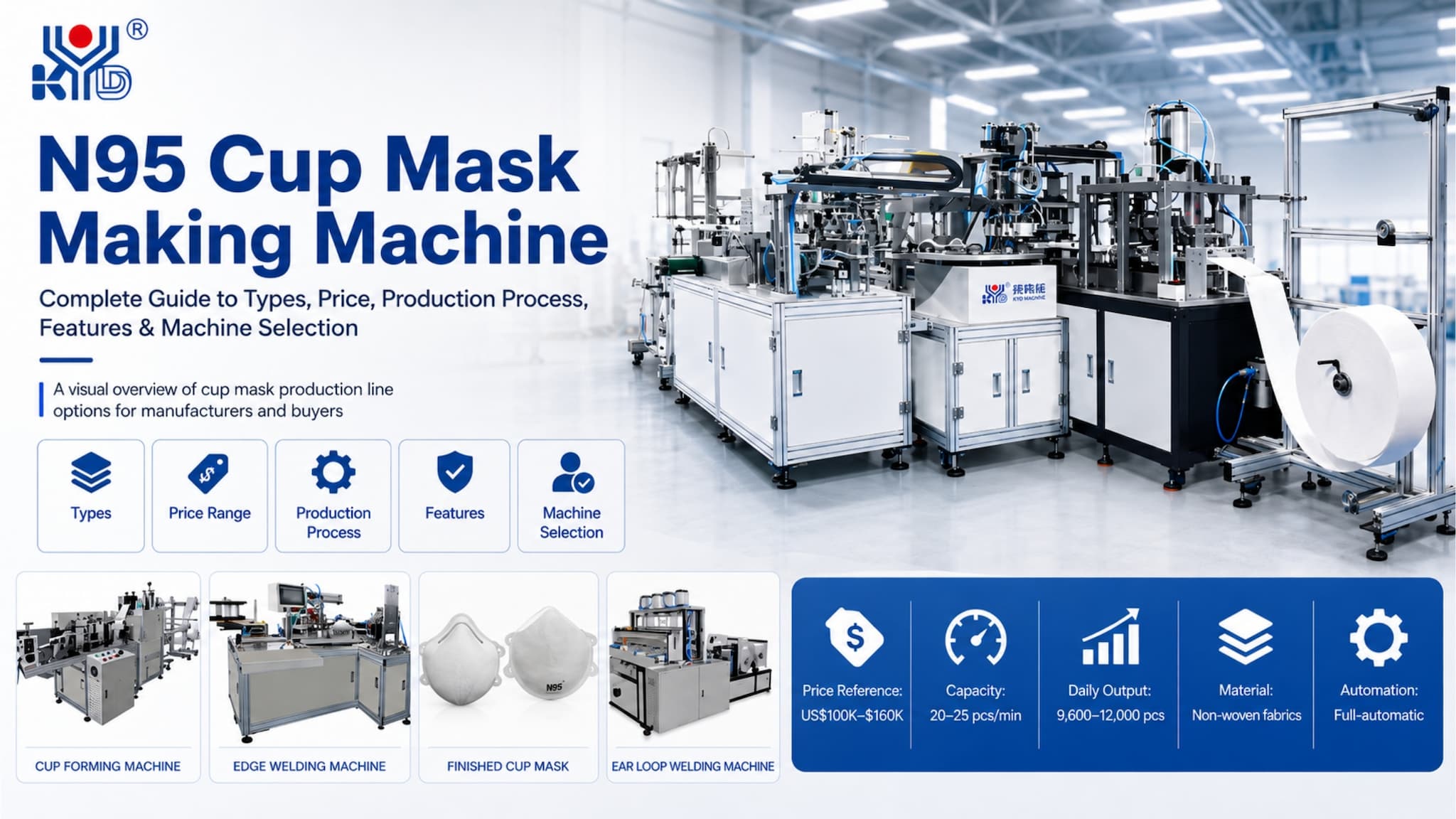
Choosing an N95 cup mask making machine requires more than comparing price and speed. A buyer must decide whether the factory needs a forming unit, several finishing machines, or a fully automatic line that converts nonwoven materials into completed cup-shaped masks.
A poor configuration can create bottlenecks between forming, welding, nose-wire fitting, headband attachment, valve processing, and packaging. This guide explains the main machine types, production stages, price factors, features, and selection criteria.
An N95 cup mask making machine forms layers of nonwoven material into a rigid, cup-shaped mask body. Depending on its configuration, the system may also cut edges, install nose wires, print logos, attach foam, weld headbands, punch valve holes, and weld breathing valves.
An N95 cup mask making machine is industrial equipment for producing moulded, cup-shaped filtering facepiece respirators. Unlike a flat mask machine, it must create a three-dimensional body while maintaining consistent layer alignment, shape, sealing, and component placement.
The term can describe one machine or an entire N95 mask production line. Buyers should confirm every included process because a forming machine alone does not produce a finished respirator.
A forming machine feeds nonwoven layers, shapes the cup body, cuts it, and discharges the formed piece. KYD’s KYD-MC001 listing describes PLC control, photoelectric detection, six-mask forming cycles, and a stated capacity of 40–50 pieces per minute.
This machine seals and trims the cup-mask body. KYD’s KYD-MC003 listing says ultrasonic welding and cutting occur together, with one operator and a stated output of 8–10 pieces per minute. A slower welding station can limit the line.
This finishing machine positions and heat-seals an aluminium nose wire while adding a logo through pad printing. The KYD-MC004A listing states a capacity of 15–20 pieces per minute with PLC control and photoelectric detection.
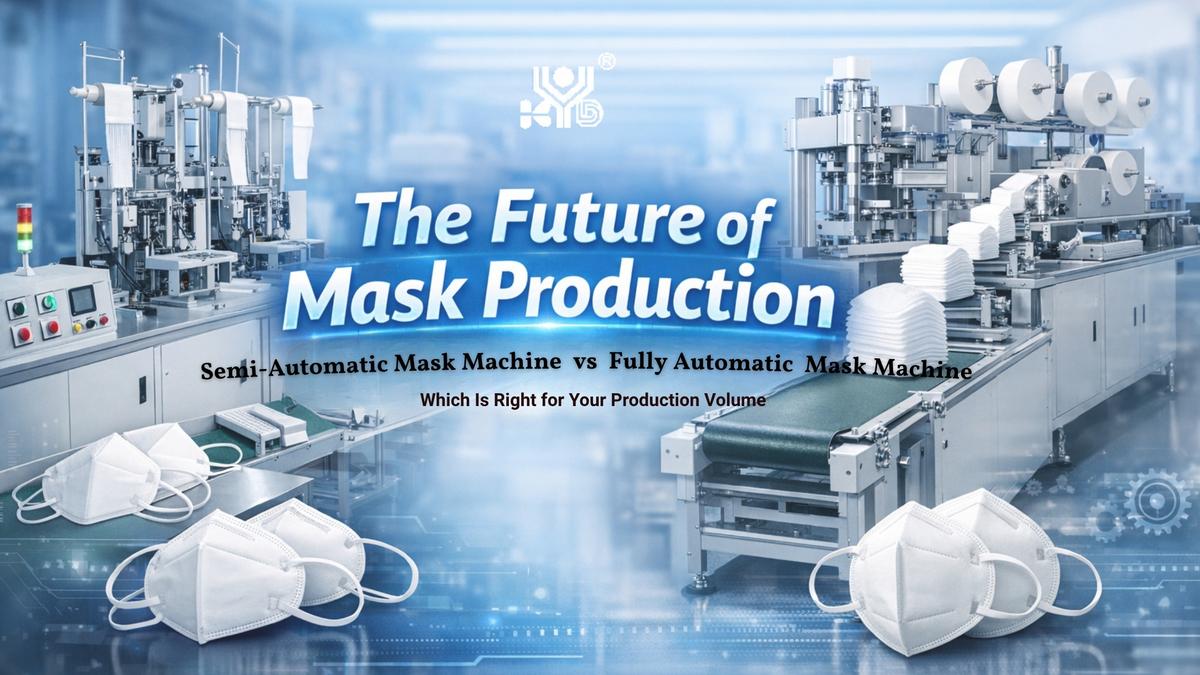
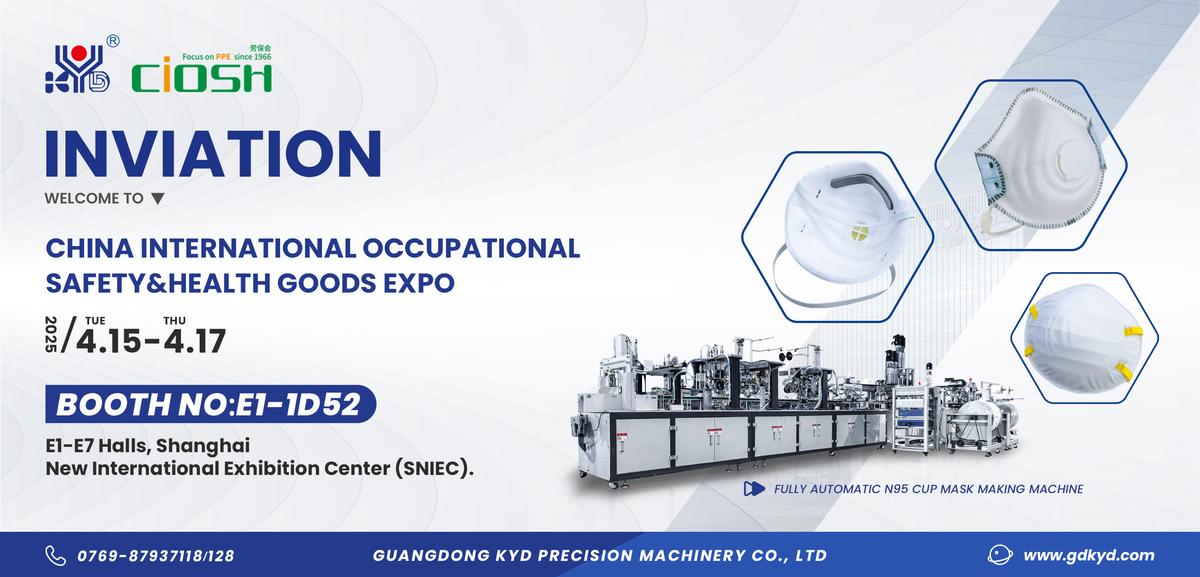
A fully automatic line combines several stages. KYD’s KYD-MC000 listing includes cup-cover production, moulding and cutting, optional aluminium nose strips, sponge strips, elastic-band welding, valve-hole punching, and valve welding. Its stated capacity is 20–25 pieces per minute.
A typical process follows these steps:
An N95 mask manufacturing machine controls production, but it does not certify the finished respirator. Filtration, breathing resistance, design, markings, and other tests depend on the intended market. Certification methods also differ among N95, FFP2, and KN95 products.
Useful features improve stable output, quality control, and maintenance:
KYD’s cup-cover machine listing describes PLC control, photoelectric detection, frequency conversion, and 100–150 covers per minute. Because this is only the cover-making stage, that speed should not be treated as finished-mask output.
The N95 mask making machine price depends on automation, included modules, output, mould design, component brands, customization, installation, and delivery.
Current KYD Alibaba listings illustrate the range. The KYD-MC003 welding-and-cutting unit is listed at US$15,000 for one or two sets, the KYD-MC001 forming machine at US$23,000 for one or two sets, and the fully automatic KYD-MC000 line at US$160,000 for one set. These are listing prices, not guaranteed delivered quotations.
A complete quotation should separate machine and mould cost, optional modules, freight, duties, installation, training, spare parts, utilities, and trial materials.
Start with the finished mask, not the catalogue. Define the dimensions, layer structure, headband style, nose-wire position, foam, valve, printing, and target standard. Then calculate required sellable output per shift after allowing for rejects, maintenance, and changeovers.
Ask the cup mask machine manufacturer to test your actual materials and provide a factory acceptance test. Confirm whether the quoted speed represents covers, formed bodies, machine cycles, or completed masks.
Also review footprint, voltage, power, compressed air, staffing, spare parts, remote support, warranty, and training. A cheaper machine can become costly if one specialized component causes long downtime.
The biggest mistake is buying one module while assuming it is a complete production line. Buyers also compare unmatched capacity figures, overlook tooling costs, and fail to confirm material compatibility.
Another mistake is treating N95, FFP2, and KN95 as interchangeable labels. Similar machines may support different designs, but the finished product must meet its intended market requirements.
It may produce different sizes when its mould, cutting tools, fixtures, and settings are replaceable. Request a tooling list, changeover procedure, setup time, and samples for every planned size.
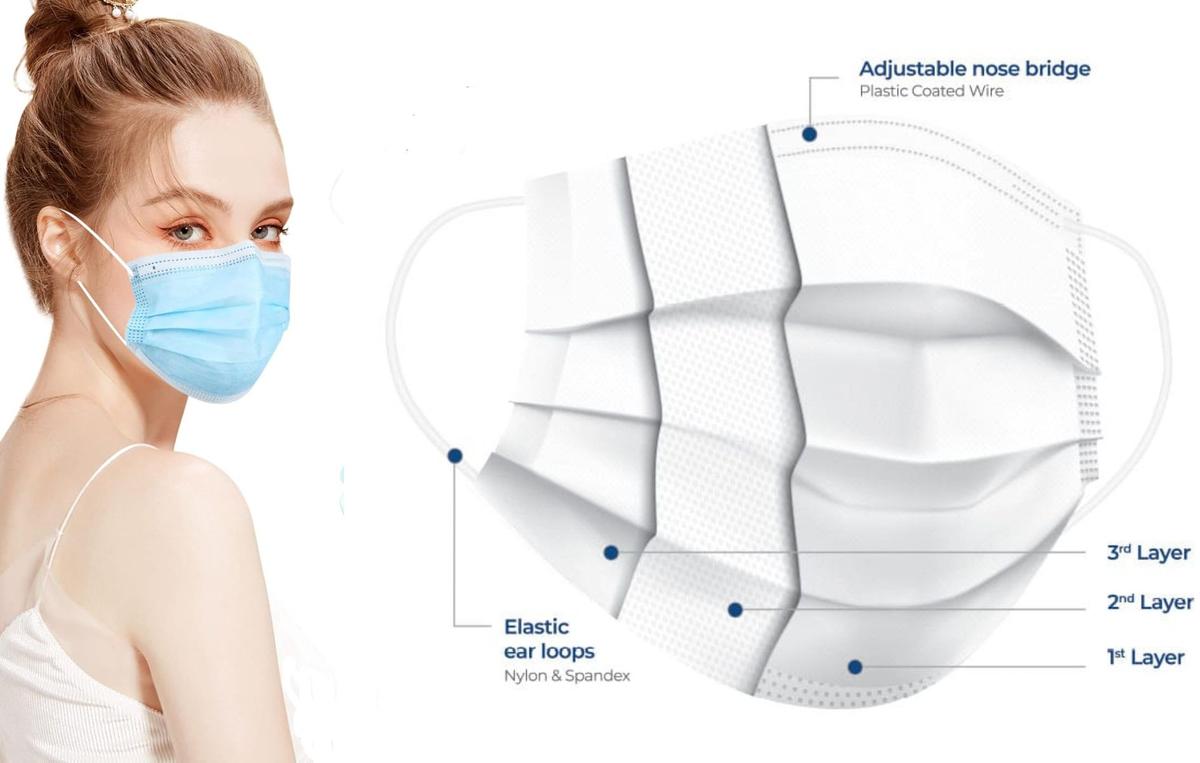
Cup-shaped respirators commonly use several nonwoven layers, including spunbond material, filtration media such as meltblown fabric, and structural layers. Nose wires, elastic headbands, foam, and optional valves are added according to the design.
No. A fully automatic line reduces handling, while a modular line may offer lower initial cost and easier expansion. The right choice depends on output, labour cost, space, budget, and technical capability.
Final capacity depends on the slowest connected process, material quality, changeovers, reject rate, maintenance, operator performance, and packaging. A high-speed forming machine cannot overcome a slower finishing module.
No. The machine performs manufacturing operations only. Certification depends on the finished respirator’s design, materials, quality controls, testing, markings, and approval process in the target market.
The trial should use the buyer’s target materials and dimensions. It should verify forming quality, weld strength, nose-wire placement, strap attachment, valve alignment, stable output, reject rate, and changeovers.
The right N95 cup mask making machine must match the finished design, required output, factory utilities, budget, and compliance plan. Buyers should distinguish forming, welding, printing, cover-making, and finishing modules from a complete line. They should compare verified finished-mask output rather than isolated machine speed.
KYD offers individual modules and fully automatic configurations for different production needs. Contact KYD with your mask drawing, layer structure, target capacity, and optional features to request a configuration-specific proposal.
We invite you to connect with us! KYD.
Join the Join our growing community and stay updated on KYD’s latest innovations and industry insights. Sign up now to receive exclusive updates straight to your inbox!