Address:No.321 Dongshen Road, Tangxia Town, Dongguan City, Guangdong Province
Stay in touch
Enter your email address for get promotions and news.
Address:No.321 Dongshen Road, Tangxia Town, Dongguan City, Guangdong Province
Stay in touch
Enter your email address for get promotions and news.

Buying nonwoven machinery starts with a practical question: can this equipment consistently produce the product your customers need?
A fast machine may look attractive in a demonstration, but speed alone does not tell you how it will handle your fabric, product dimensions, or daily production schedule. Material compatibility, sealing quality, maintenance access, and technical support all deserve attention before you place an order.
Whether you are planning disposable shoe cover production, expanding a mask manufacturing business, or introducing surgical caps, this guide explains how to evaluate equipment with your actual factory requirements in mind.
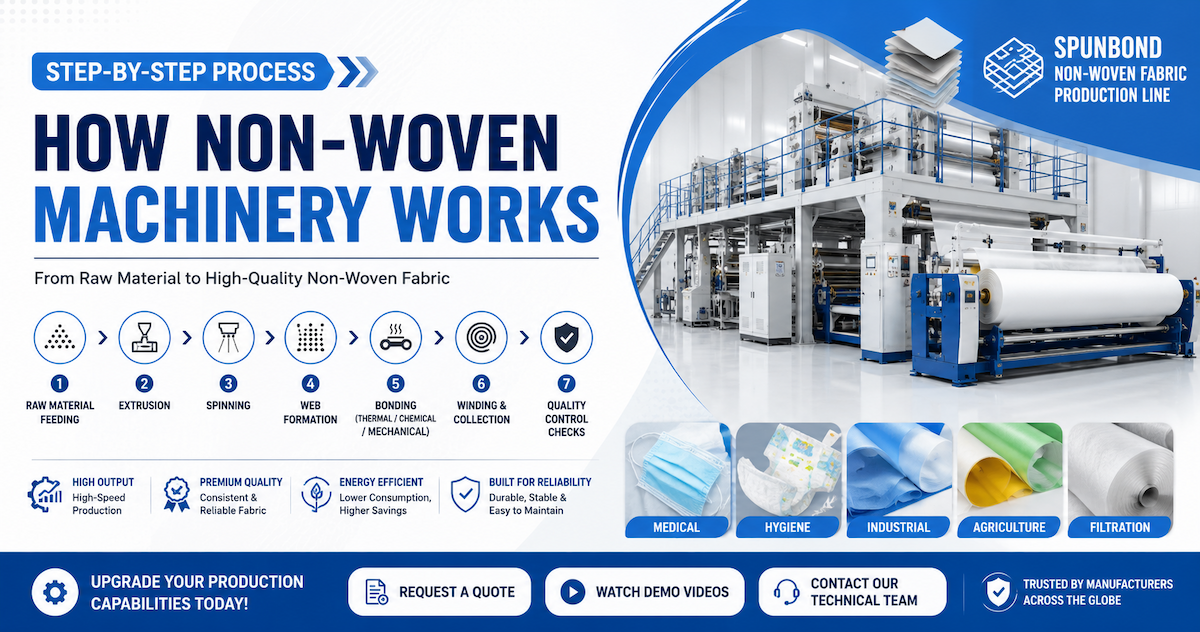
Nonwoven converting machinery processes ready-made nonwoven fabric into finished or semi-finished products. Depending on the equipment, operations may include unwinding, folding, cutting, welding, elastic attachment, and forming.
This distinction matters when requesting quotations. A nonwoven fabric manufacturing line produces the material itself. A converting machine uses that material to manufacture items such as masks, shoe covers, caps, and disposable garments.
Describe your finished product clearly so suppliers recommend the correct equipment category.
Start with a product sample, drawing, or written specification. Include the dimensions, material layers, fabric weight, fastening method, and packaging requirements.
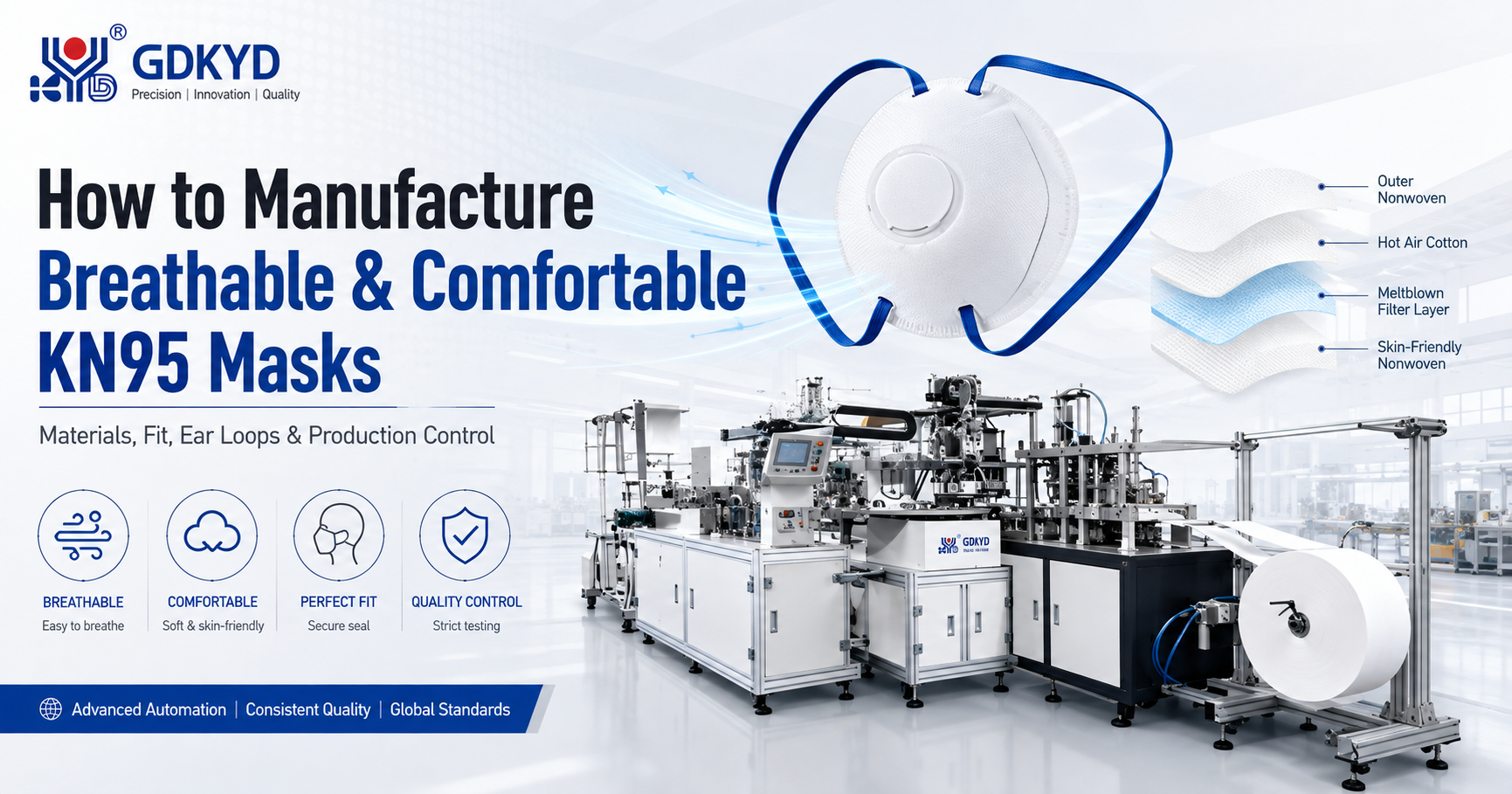
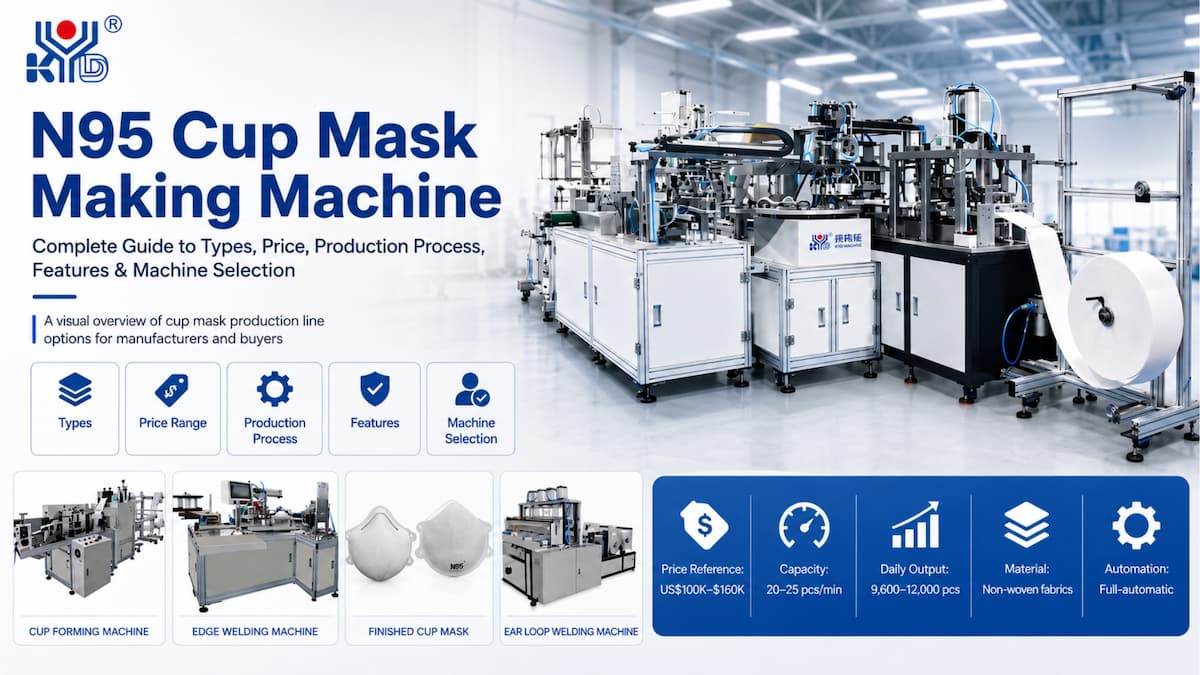
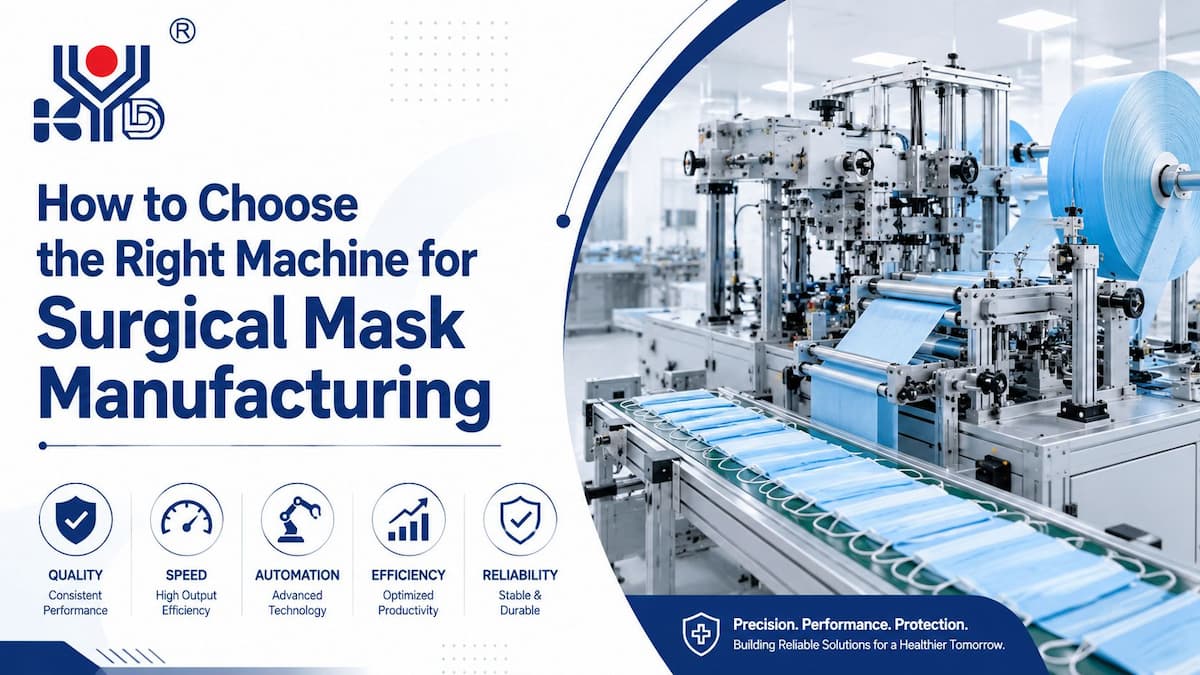
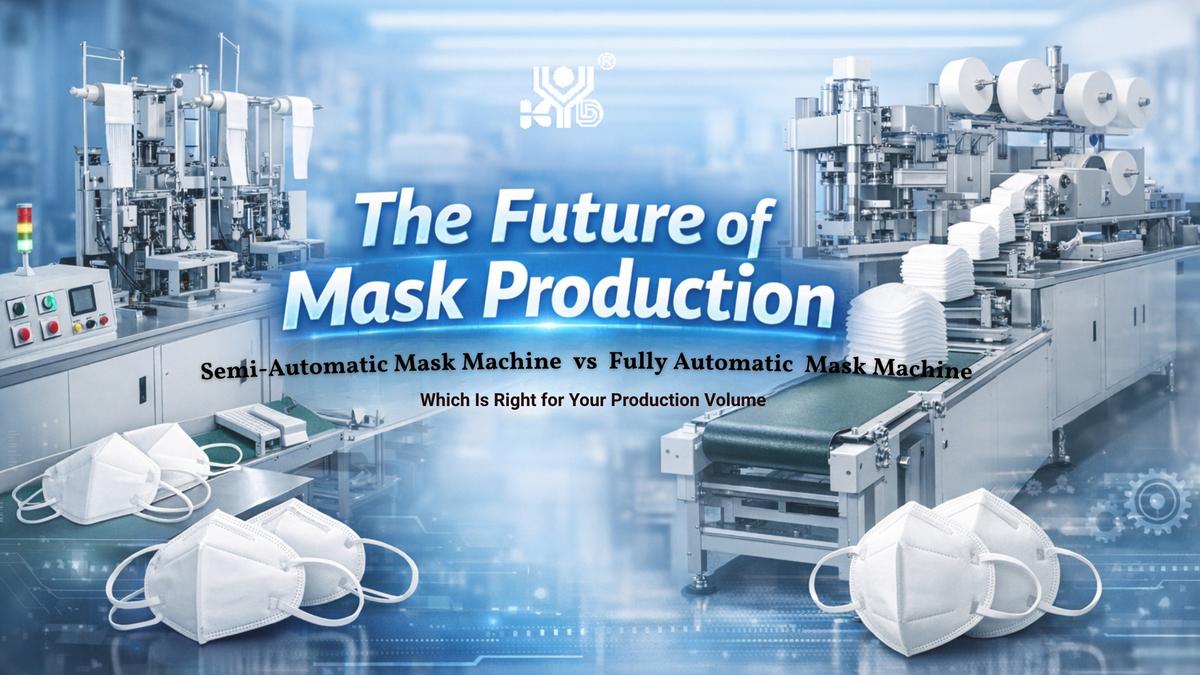
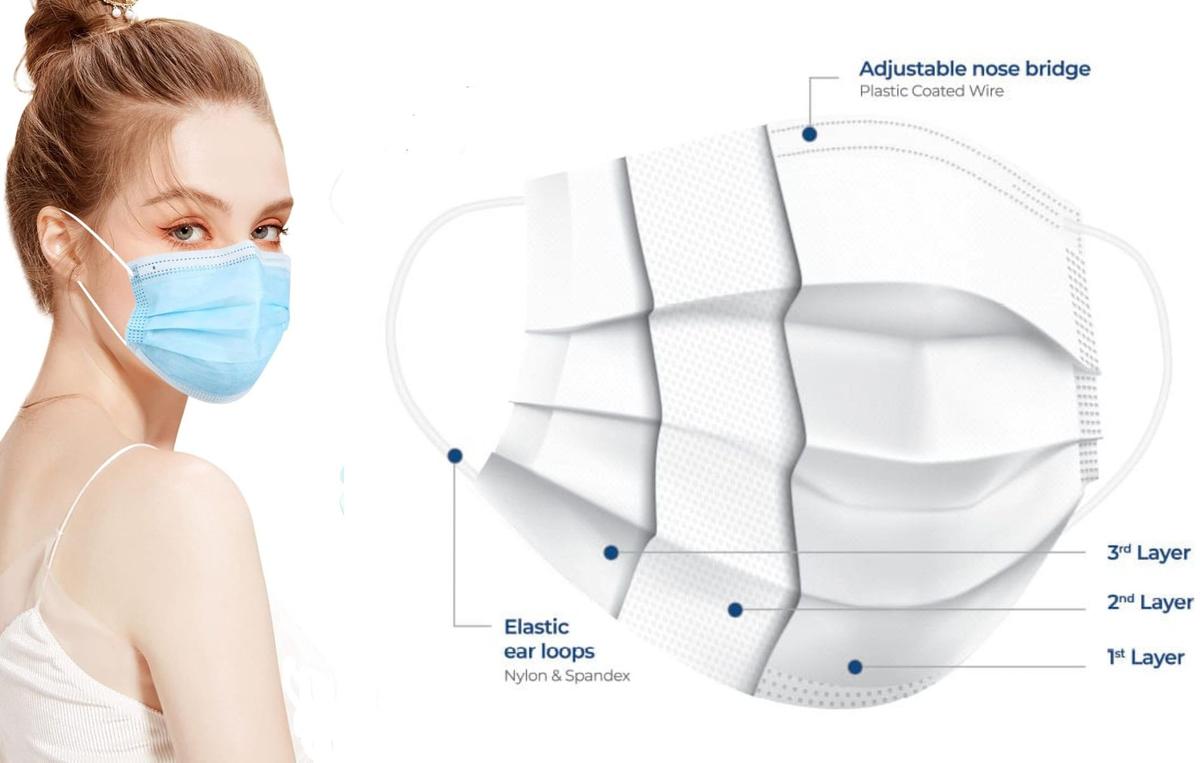
For example, buyers evaluating a face mask making machine should specify whether they need flat surgical masks, folding respirators, or cup-shaped masks. These products involve different production requirements.
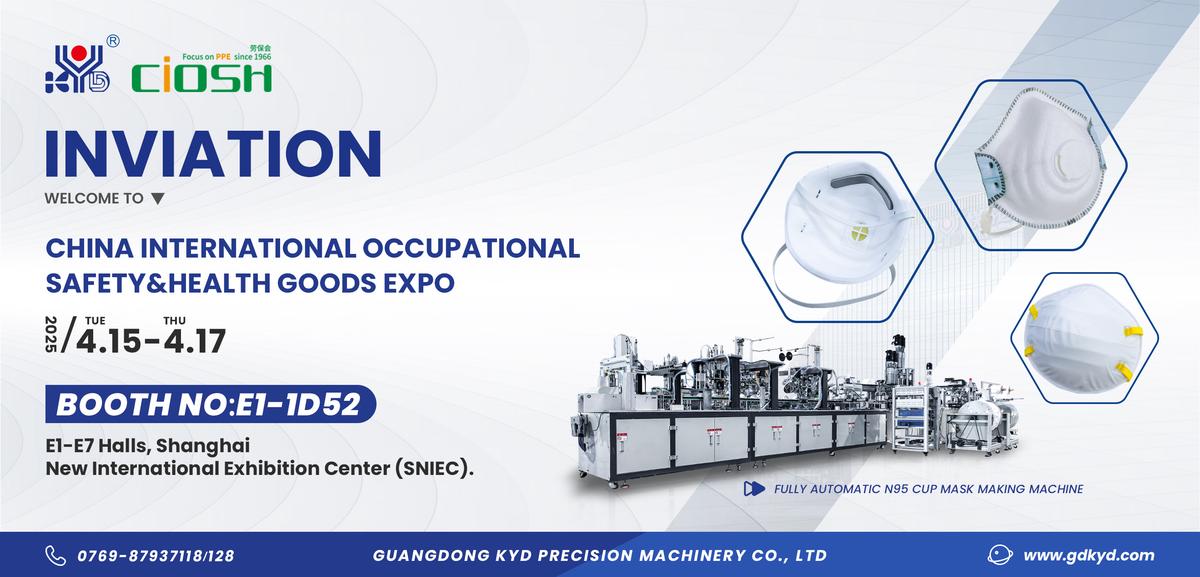
KYD’s automatic N95 cup mask making machine is one option to review when your project involves cup-shaped respirator production.
Ask the supplier which operations the proposed configuration includes. Confirm whether additional equipment is needed to complete your intended product.
A clear specification makes quotations easier to compare and reduces misunderstandings later.
A demonstration using the supplier’s preferred material is useful, but it does not fully answer how your own fabric will perform.
Provide samples of the material you intend to purchase. Specify the composition, GSM, roll width, roll diameter, and number of layers.
If your product uses polypropylene nonwoven fabric, SMS nonwoven fabric, or spunlace nonwoven fabric, identify the exact grade rather than relying on a broad material name.
Request a trial that checks feeding stability, cutting accuracy, finished dimensions, and seam quality. Where ultrasonic welding is involved, ask the supplier to demonstrate the proposed material combination.
Keep approved samples from the trial. They provide a practical reference for later acceptance checks.
Published production speed is a starting point. Your purchasing decision should also consider how many acceptable products the line can deliver during a normal shift.
Ask what material, product size, and operating conditions were used to establish the quoted speed. Confirm whether the figure refers to individual pieces, pairs, or another counting unit.
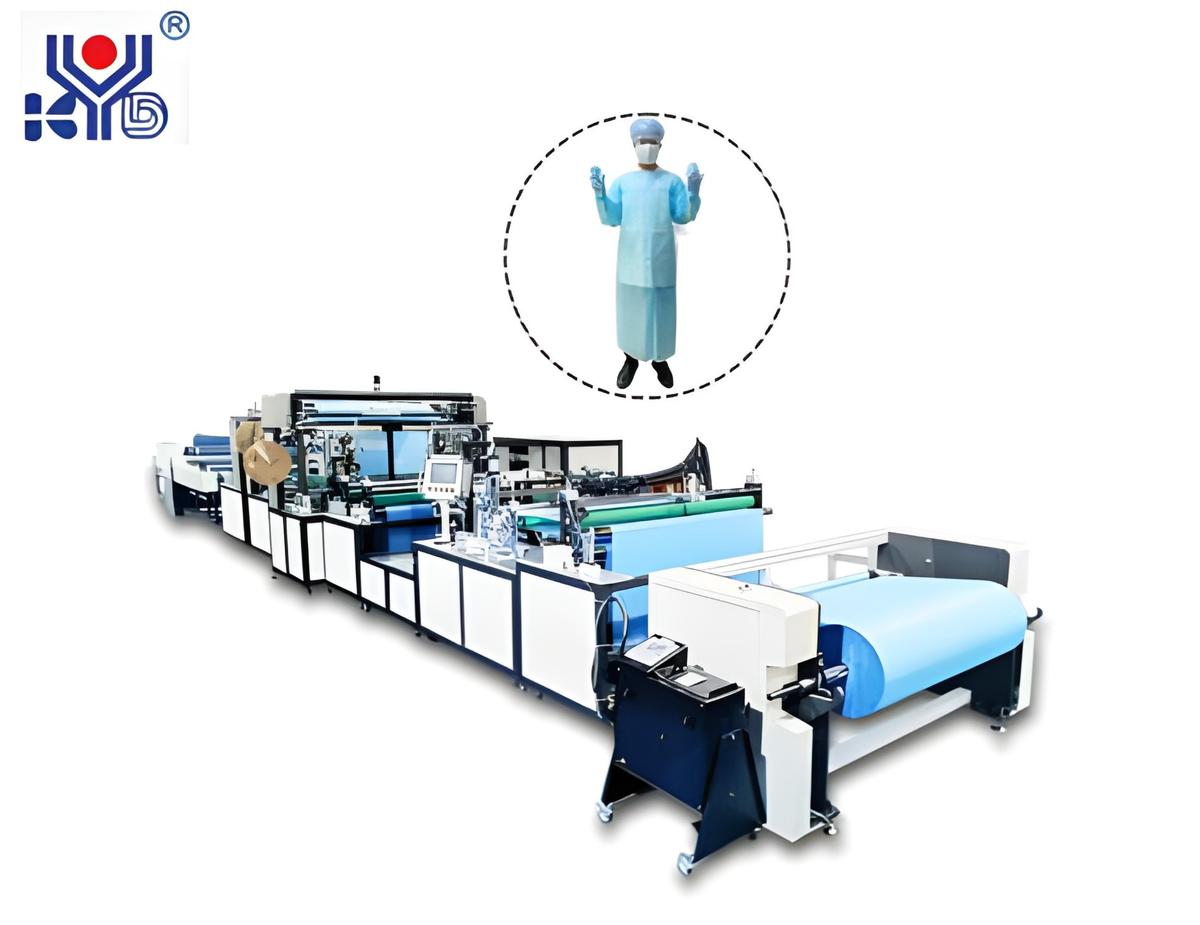
For example, manufacturers exploring KYD’s nonwoven shoe cover making machine should discuss their required shoe cover dimensions, material, and elastic configuration before agreeing on output expectations.
Include roll changes, setup, cleaning, and inspection in your production planning. Ask how rejected products are identified and counted during testing.
An agreed acceptance method is more useful than comparing headline speeds alone.
Operators need to understand the machine during routine production and when something goes wrong.
During a demonstration, ask to see startup, shutdown, parameter adjustment, and recovery after a material interruption. Check how the interface presents alarms and operating instructions.
For PLC-controlled machinery, useful questions include:
· Can operators save settings for different products?
· Which adjustments require a technician?
· How are faults identified?
· Are electrical drawings and operating manuals supplied?
· Is the interface available in a language your team understands?
Include maintenance staff in this review. They may notice access problems or service requirements that are easy to miss during a sales presentation.
A finished product should meet the specification your customer has approved.
Inspect samples from different points in the trial rather than selecting only the best-looking pieces. Look for inconsistent seams, uneven cuts, incorrect dimensions, and unreliable attachments.
For disposable caps, assess the finished shape, elastic attachment, and size consistency. Manufacturers considering a surgical cap making machine should agree on these checks before finalizing the equipment specification.
Where ultrasonic welding equipment is included, ask which settings operators can adjust and how tooling condition is checked.
Record measurable acceptance criteria wherever possible. Photographs help document appearance, but they should accompany physical samples and agreed measurements.
The machine purchase price is only one part of the investment.
Compare quotations against the same scope. Check whether they include tooling, spare parts, installation, operator training, and any necessary auxiliary equipment.
Then estimate operating costs using your own assumptions for materials, staffing, utilities, maintenance, and rejected output.
A useful calculation is:
Cost per acceptable product = total production cost ÷ number of acceptable products produced.
Use realistic production hours rather than assuming uninterrupted operation.
Also confirm the factory layout, access space, power requirements, and any compressed-air needs. Ask for these details in writing before arranging installation or modifying your workshop.
Support arrangements should be specific enough for your production team to use.
Ask who will install the equipment, what training covers, and how technical problems should be reported. Confirm whether assistance is remote, on-site, or available through both methods.
Request a recommended spare-parts list with part numbers, prices, and estimated delivery times. Identify components that could stop production if replacements are unavailable.
Before shipment, agree on a factory acceptance test using the approved materials and product specification. Record the results, outstanding adjustments, and documents supplied.
These steps give both buyer and manufacturer a shared reference for handover.
Some machines support size changes or related product variations. Do not assume that equipment designed for shoe covers can also produce masks or gowns. Ask for a demonstration of every required variation.
Send a product sample or drawing, material specifications, target output, available factory space, power supply details, and destination country. Include packaging requirements and any planned product variations.
Give each supplier the same specification. Compare included operations, trial results, acceptance criteria, documentation, training, spare parts, and support terms alongside price.
Prepare a short production brief before choosing equipment. Define what you want to make, which materials you will use, and how you will judge acceptable output.
Then contact the KYD team to discuss the machinery configuration, sample testing, and quotation scope for your project.
We invite you to connect with us! KYD.
Join the Join our growing community and stay updated on KYD’s latest innovations and industry insights. Sign up now to receive exclusive updates straight to your inbox!