Address:No.321 Dongshen Road, Tangxia Town, Dongguan City, Guangdong Province
Stay in touch
Enter your email address for get promotions and news.
Address:No.321 Dongshen Road, Tangxia Town, Dongguan City, Guangdong Province
Stay in touch
Enter your email address for get promotions and news.
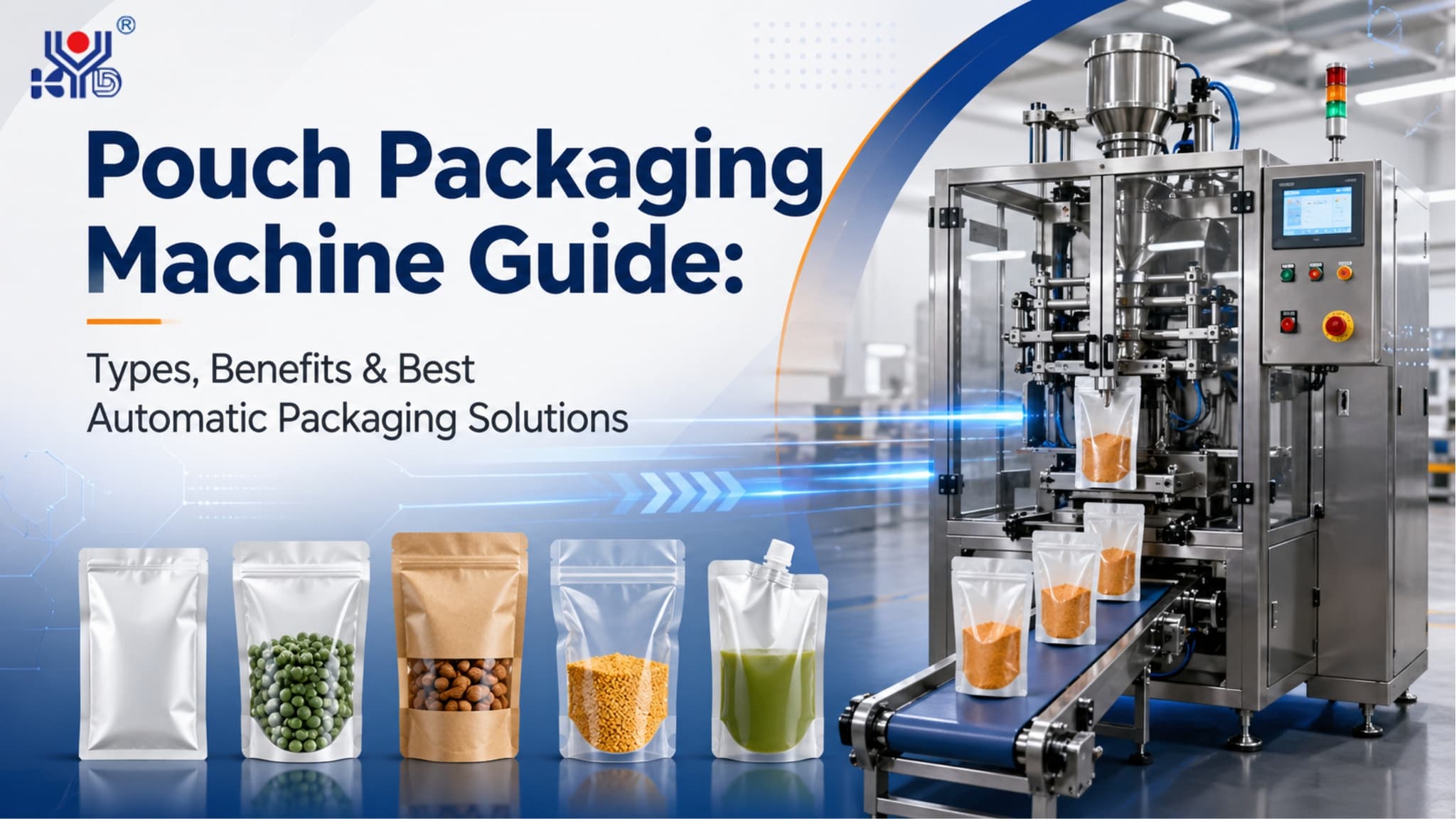
If your business packages food, pharmaceuticals, chemicals, or cosmetics, the equipment you use directly determines your output quality, production speed, and cost per unit. A pouch packaging machine also called a bag type packaging machine automates the entire process of forming, filling, and sealing flexible pouches, replacing slow manual processes with consistent, high-speed production.
This guide covers everything you need to know: what these machines are, which types suit which industries, the real business benefits, and how to evaluate your options before you buy.
Quick Answer: A pouch packaging machine automatically fills and seals products into flexible bags or pouches. It is used across food, pharmaceutical, chemical, and cosmetic industries. Types include vertical (VFFS), horizontal (HFFS), and premade pouch machines. Fully automatic models with PLC control deliver the highest output with minimal labour.
A bag type packaging machine is an industrial system that takes flexible packaging film like PP, PE, laminate, or biodegradable materials and automatically forms it into a pouch, fills it with the product, and seals it ready for distribution.
The term covers a wide family of machines. What they share is the ability to handle flexible formats, operate at high speed, and integrate with broader packaging automation systems on a production line.
Pre-made pouch packaging machines have moved from a specialised capital purchase to a central operational asset across a wide range of product supply chains. Procurement managers evaluating these machines today are assessing them not just on throughput but on format flexibility, seal integrity, and how easily they integrate with digital production environments.
Understanding the different types is the starting point for any serious buying decision.
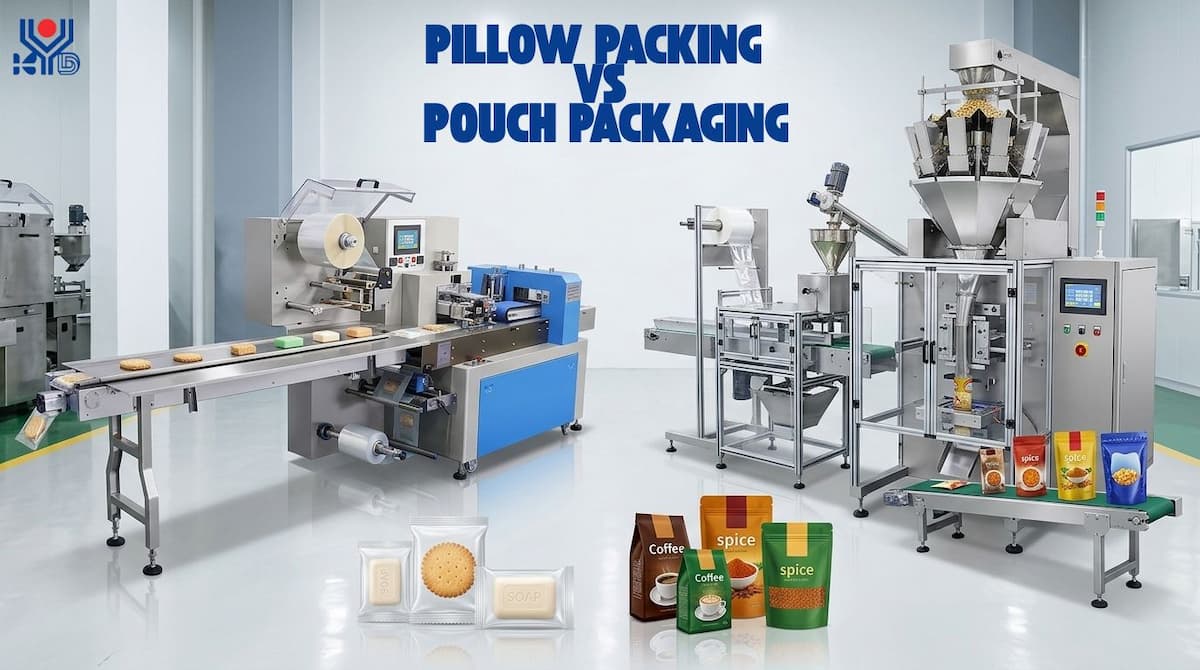
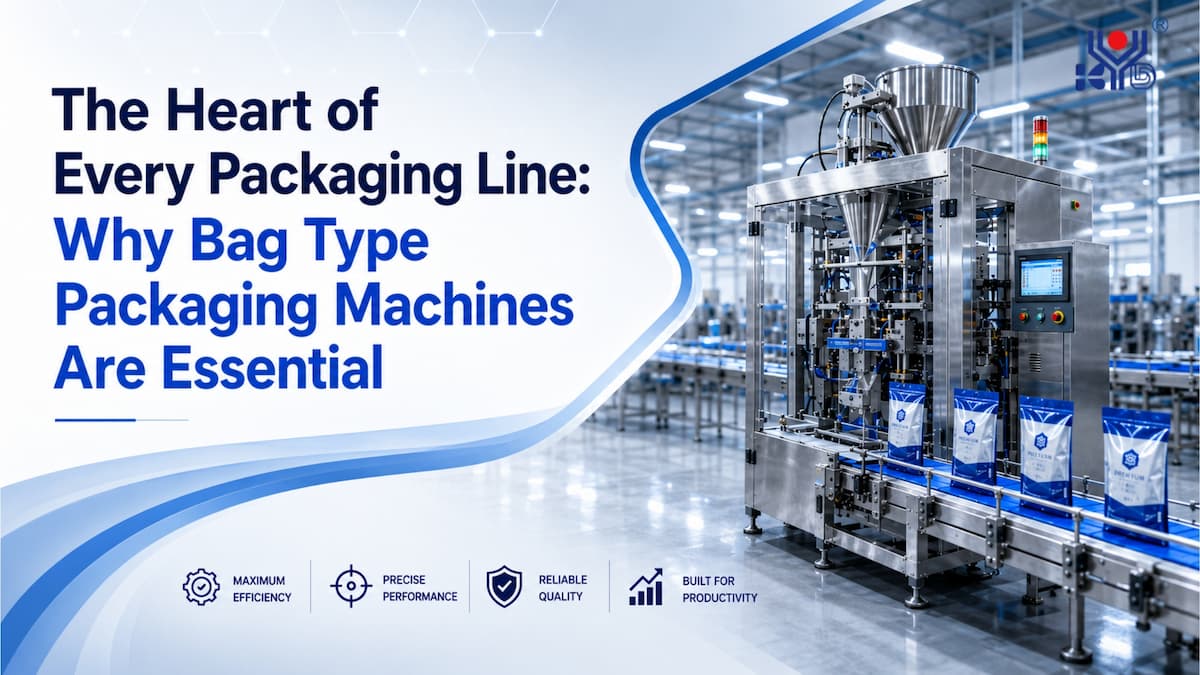
A vertical packaging machine forms the pouch from a flat film roll, fills it from above by gravity or an auger, and seals it all in a continuous vertical motion. It is the dominant format for powders, granules, liquids, and small solid products.
Best suited for: powdered spices, coffee, sugar, snack foods, detergents, seeds, and pharmaceutical powders.
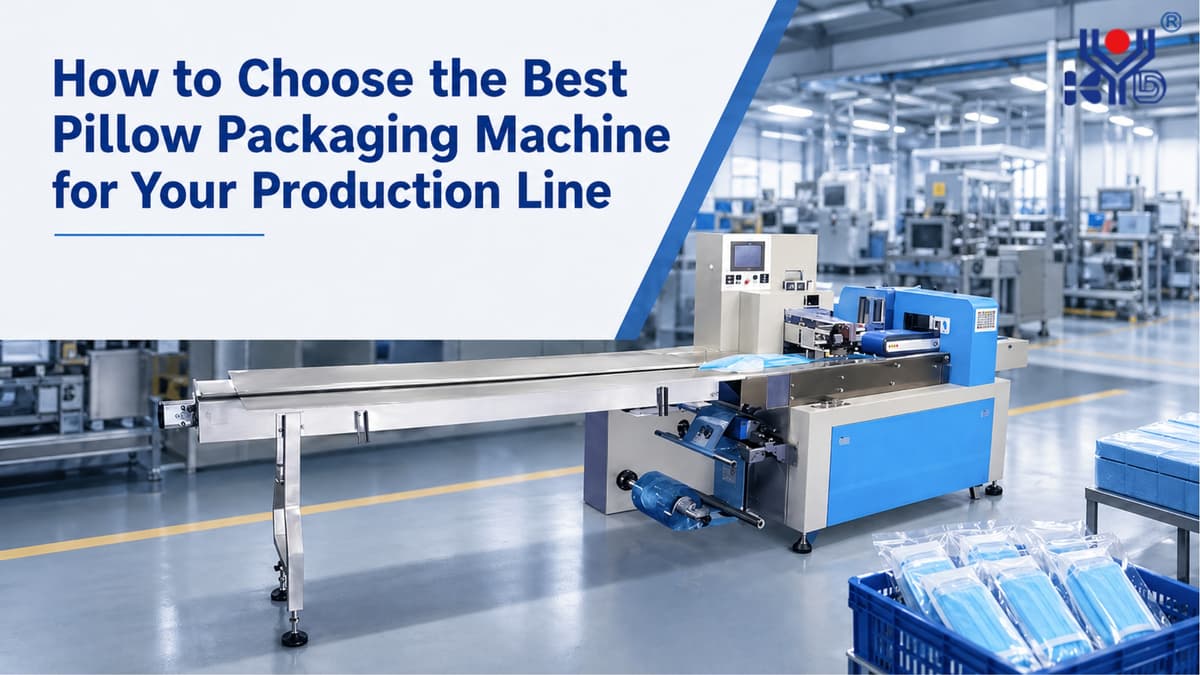
A horizontal packaging machine moves the product horizontally along a conveyor, wrapping it in film and sealing it from the side. It handles products that need support during packaging — solid bars, medical devices, snack bars, and individually wrapped items.
Best suited for: confectionery, bakery products, medical consumables, and industrial components that cannot be gravity-fed.
Rather than forming the pouch from roll stock, this machine takes pre-formed pouches — stand-up pouches, doypack, gusseted, or zip-lock formats — opens them, fills them, and seals them. It offers the greatest format flexibility and the cleanest visual output for premium retail packaging.
Best suited for: pet food, sauces, ready meals, cosmetic creams, liquid detergents, and any application where pouch appearance is a brand differentiator.
A liquid pouch packaging machine is a specialised configuration for water, juices, oils, syrups, and chemical liquids. It uses a timed-fill or flow-meter system to control fill volume precisely and produces heat-sealed or impulse-sealed pouches resistant to leakage.
The automatic pouch packing machine is not a single-sector tool. It serves a broad industrial base:
Food and beverage is the largest application segment globally. From snack seasoning sachets to frozen meal pouches, food manufacturers rely on high-speed flexible packaging to extend shelf life, reduce material costs, and meet retailer presentation standards. Demand for precision filling, nitrogen flushing capabilities, and compatibility with stand-up and shaped pouches continues to grow across food and cosmetics sectors.
Pharmaceutical packaging machine applications demand the highest standards. Pouches containing tablets, capsules, sachets, or diagnostics must meet strict hygiene and seal integrity requirements. Stainless-steel contact parts, validated PLC documentation, and batch traceability are non-negotiable in this sector.
Chemical packaging requires machines built to handle aggressive, corrosive, or abrasive materials. A chemical packaging machine must offer spill-resistant sealing, material-compatible contact parts, and robust construction that performs reliably under industrial operating conditions.
Cosmetics and personal care — sachets, single-use creams, shampoo portions need gentle product handling combined with precise fill accuracy. A misaligned seal or an off-spec fill volume on a premium skincare sachet creates rejections that cost far more than the pouch itself.
Switching from manual or semi-automatic packaging to a fully automatic bag filling machine delivers measurable returns across several dimensions:
Higher throughput, lower labour cost: A modern high speed packaging machine running with two operators can outperform a ten-person manual team consistently, across every shift.
Consistent seal quality: Human-operated sealing introduces variability. Automated sealing systems maintain the same temperature, pressure, and dwell time on every pouch, which means fewer leaks, fewer rejects, and fewer customer complaints.
PLC control and self-diagnostics: A PLC control packaging machine monitors film tension, fill weight, seal temperature, and output count in real time. When a parameter drifts, the system alerts the operator before it creates waste — not after. A self diagnostic packaging machine reduces unplanned downtime by identifying faults early and guiding operators through structured troubleshooting steps.
Flexible format capability: Modern flexible packaging machines store multiple product recipes in memory. Changing between a 50g sachet and a 500g stand-up pouch takes minutes, not a full shift.
Data and compliance: For pharmaceutical and food export markets, documented production data is a regulatory requirement. PLC-equipped machines generate batch records automatically — the kind of documentation that manual lines simply cannot produce.
Bag packaging machine price varies significantly based on automation level, speed, and configuration. A semi-automatic benchtop unit may start from a few thousand dollars. A fully automatic high-speed servo line for pharmaceutical applications can exceed $80,000.
The mistake most buyers make is comparing price without comparing total operating cost. Ask yourself:
Answering these questions honestly determines your real budget — not just the machine price, but the cost of the wrong machine.
When sourcing from a packaging machine manufacturer China, look beyond the catalogue. Verify CE certification through the issuing notified body. Request a live factory demonstration. Understand the after-sales support structure before committing. A reliable automatic packaging machine supplier will provide written response time commitments, stocked spare parts, and remote diagnostics capability as standard.
Whether you are scaling a food production line, entering pharmaceutical packaging, or managing chemical distribution, a well-specified pouch packaging machine is one of the highest-ROI investments a manufacturing business can make. The right bag type packaging machine reduces labour, eliminates seal variability, and generates the documentation your buyers and regulators require.
The market is growing, the technology is mature, and the suppliers who have been building these systems for decades know exactly how to configure a machine for your application.
What is a pouch packaging machine? A pouch packaging machine automatically forms, fills, and seals flexible pouches from film or pre-made bags. It is used across food, pharmaceutical, chemical, and cosmetic industries to replace manual packaging, improve seal consistency, and increase production speed. Most modern machines use PLC control for precision and data logging.
What are the main types of bag type packaging machines? The main types are vertical form-fill-seal (VFFS) for powders and granules, horizontal form-fill-seal (HFFS) for solid products, premade pouch fill-and-seal for premium formats, and liquid pouch machines for beverages and chemicals. Each type suits different product forms and production volumes.
How much does an automatic pouch packing machine cost? Bag packaging machine price ranges from around $5,000 for entry-level semi-automatic units to over $80,000 for fully automatic high-speed pharmaceutical-grade configurations. The right price point depends on your output requirement, automation level, product type, and compliance needs rather than the machine alone.
What industries use automatic pouch packing machines? Pouch packaging machines serve food and beverage, pharmaceutical, cosmetics, chemical, agricultural, and industrial sectors.
What is the difference between a vertical and horizontal packaging machine? A vertical packaging machine fills products from above using gravity or an auger, making it ideal for powders, granules, and liquids. A horizontal packaging machine moves products along a conveyor for wrapping, suiting solid items that need support during packaging. Product form and weight determine which type is appropriate.
What does PLC control mean on a packaging machine? PLC stands for Programmable Logic Controller. On a packaging machine, the PLC coordinates all mechanical axes, monitors operating parameters like seal temperature and fill weight in real time, stores product recipes, and logs production data by shift. It enables self-diagnostic alerts and remote monitoring, reducing downtime and supporting regulatory compliance.
We invite you to connect with us! KYD.
Join the Join our growing community and stay updated on KYD’s latest innovations and industry insights. Sign up now to receive exclusive updates straight to your inbox!