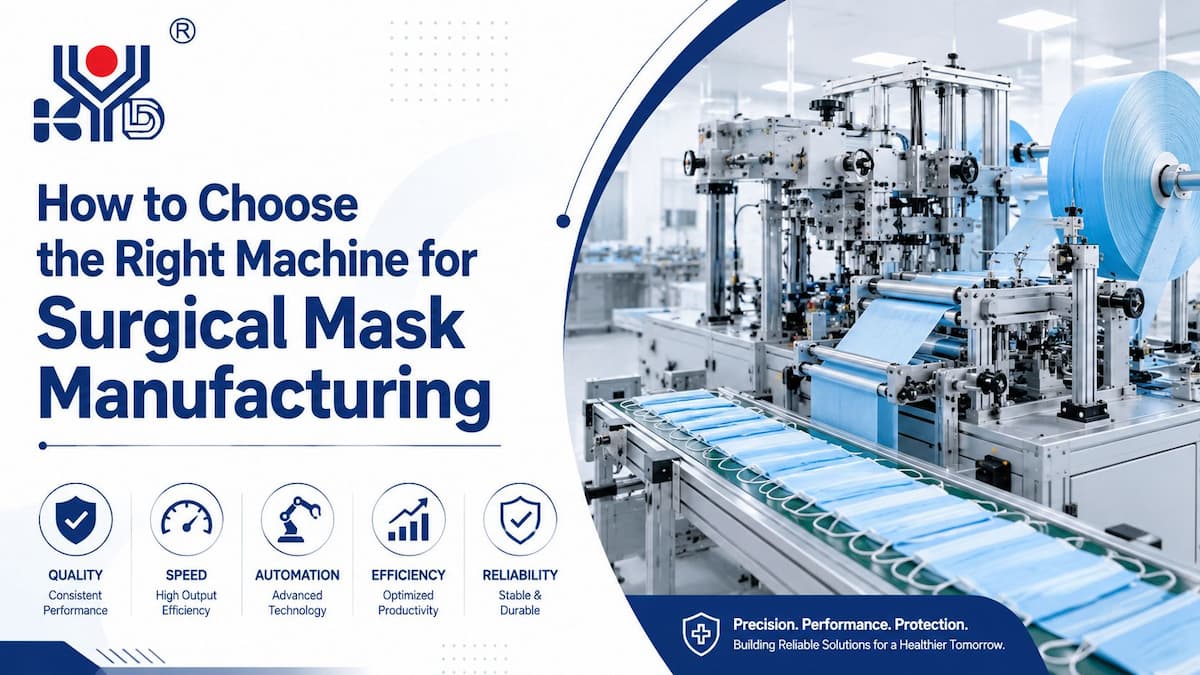
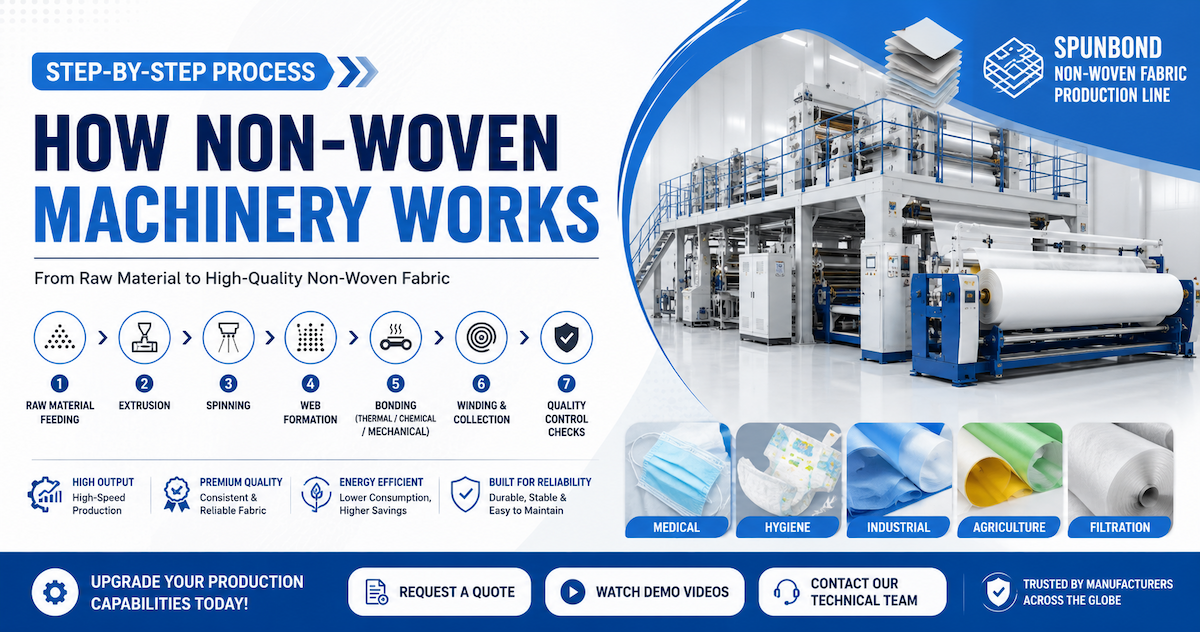
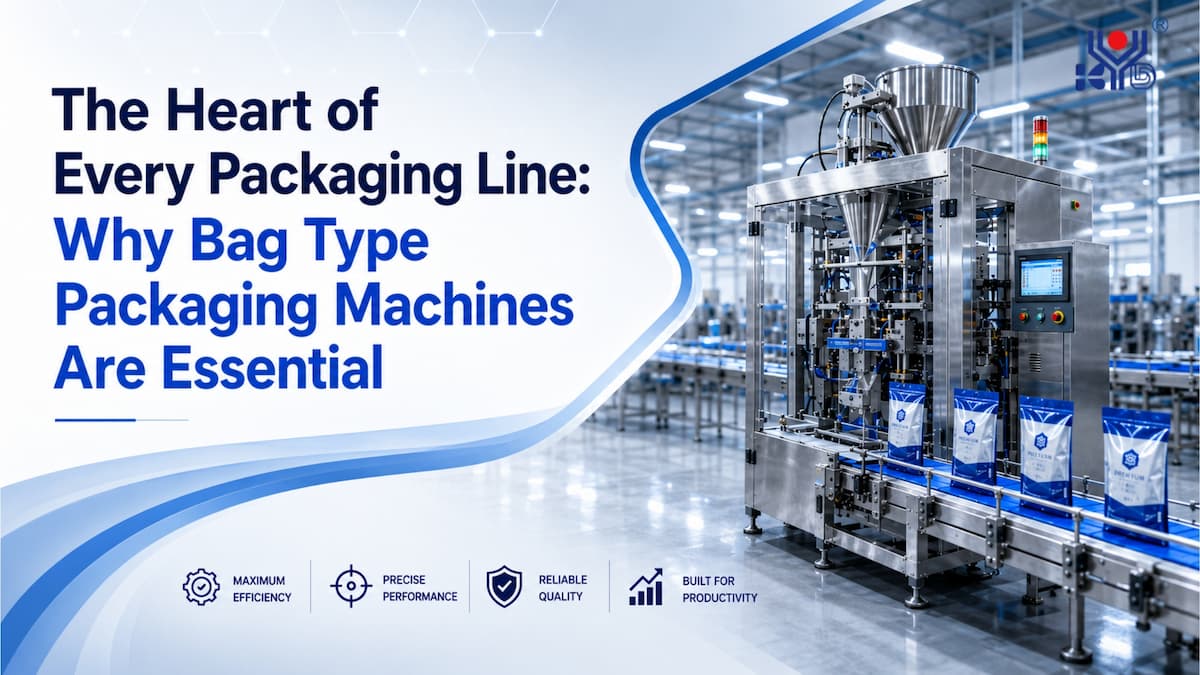
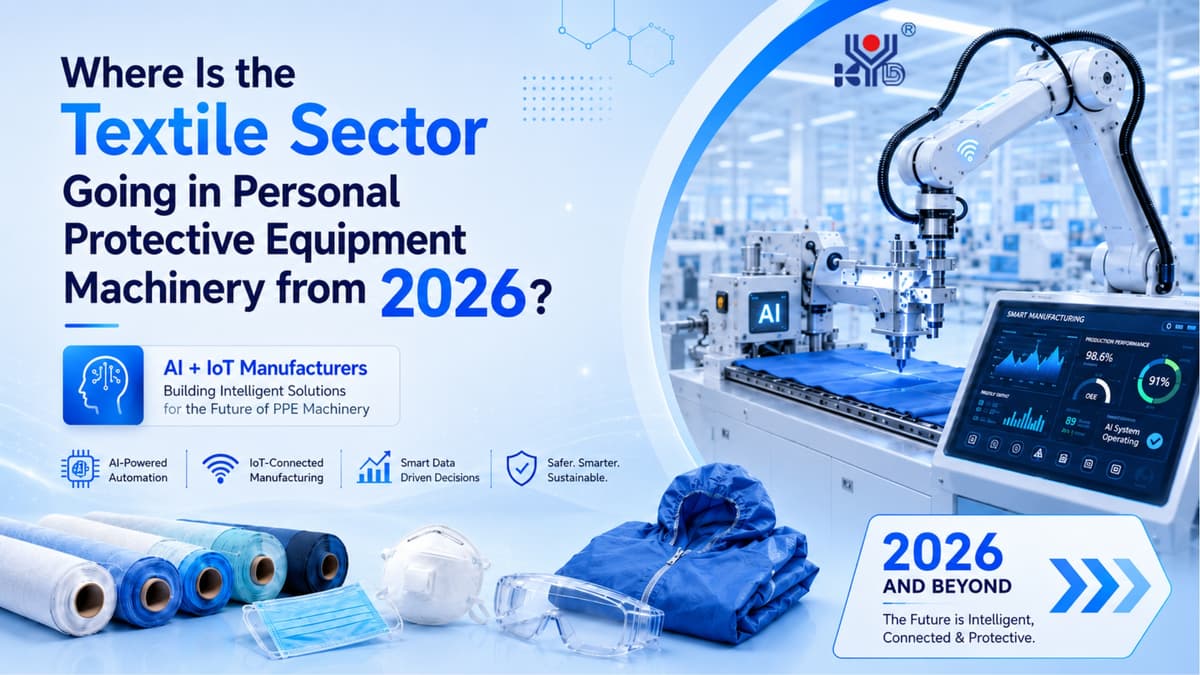
Face Mask Production Line Setup Guide: How to Choose the Right Machine for Surgical Mask Manufacturing
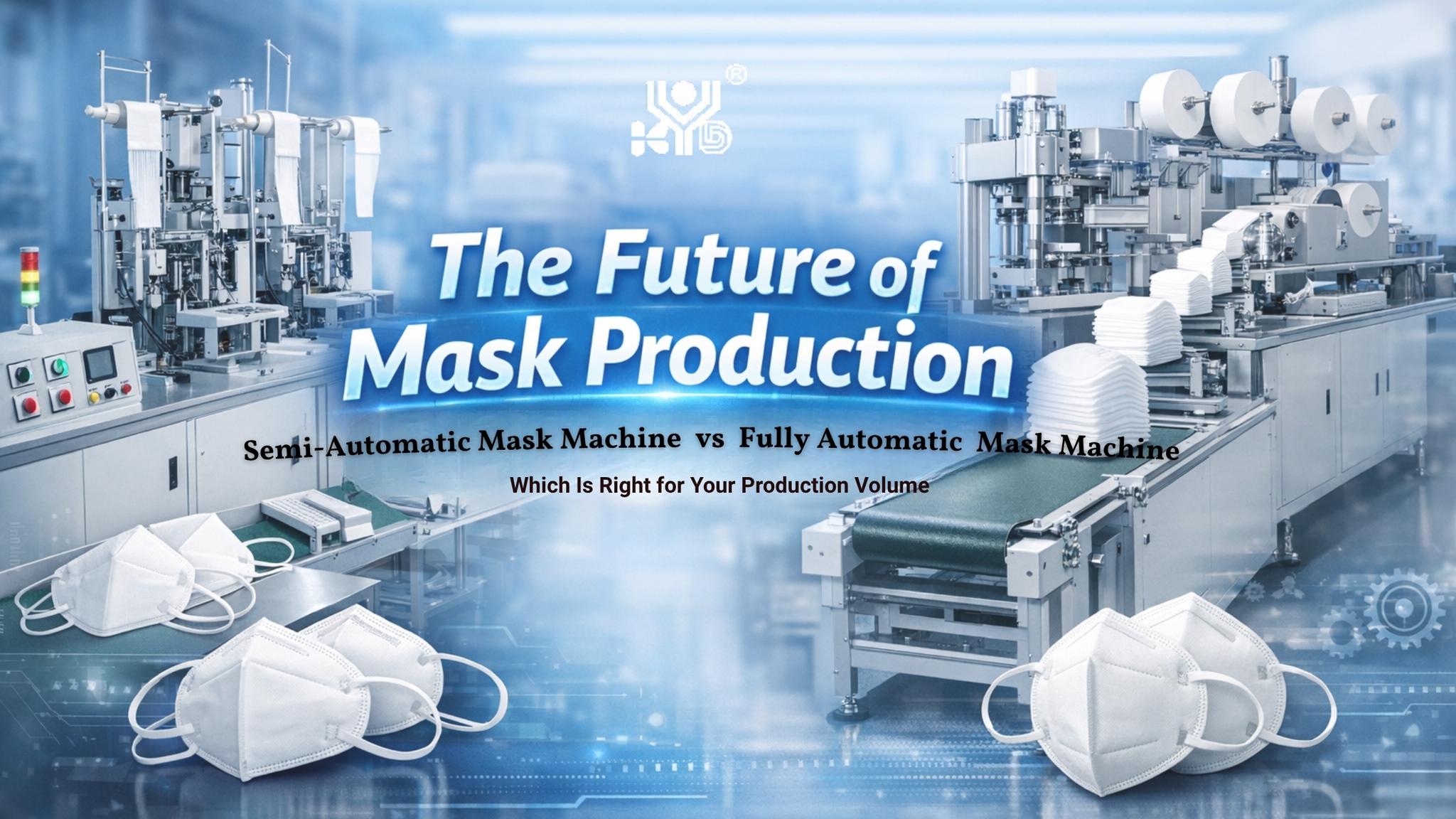
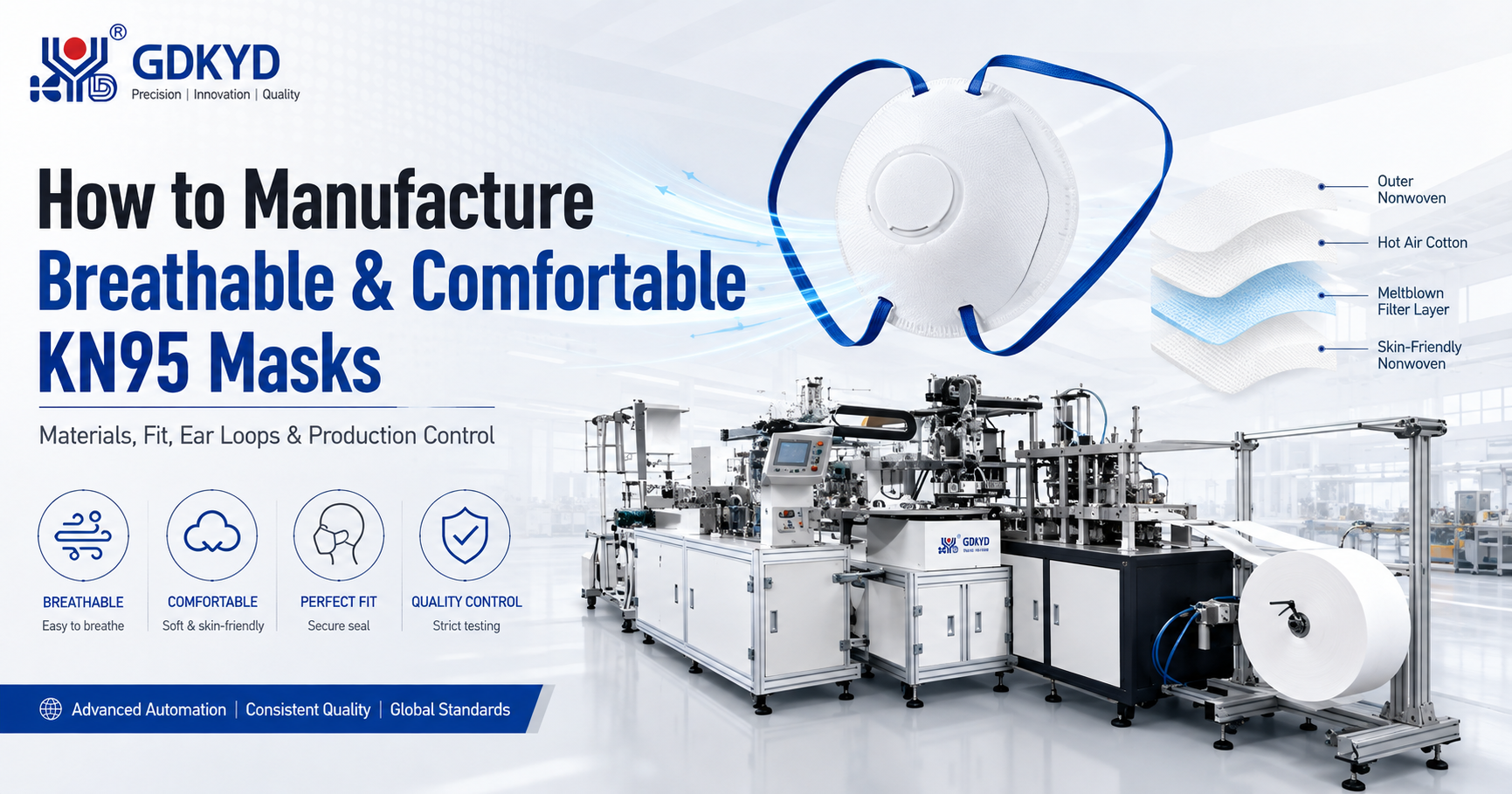
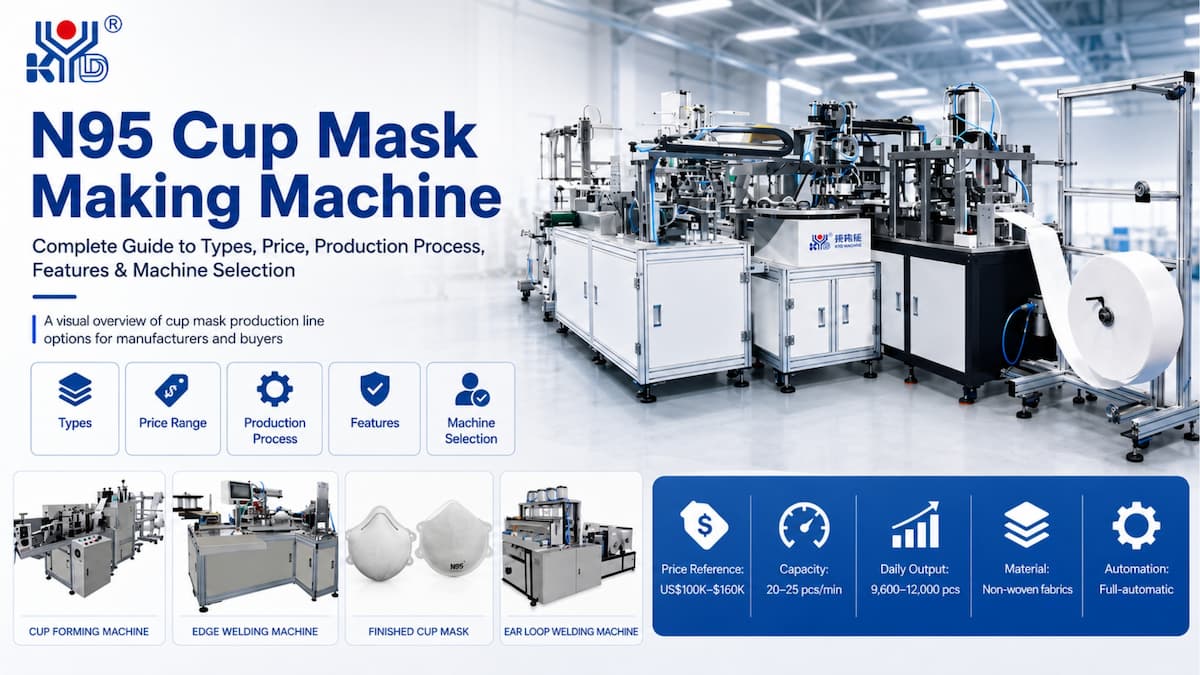
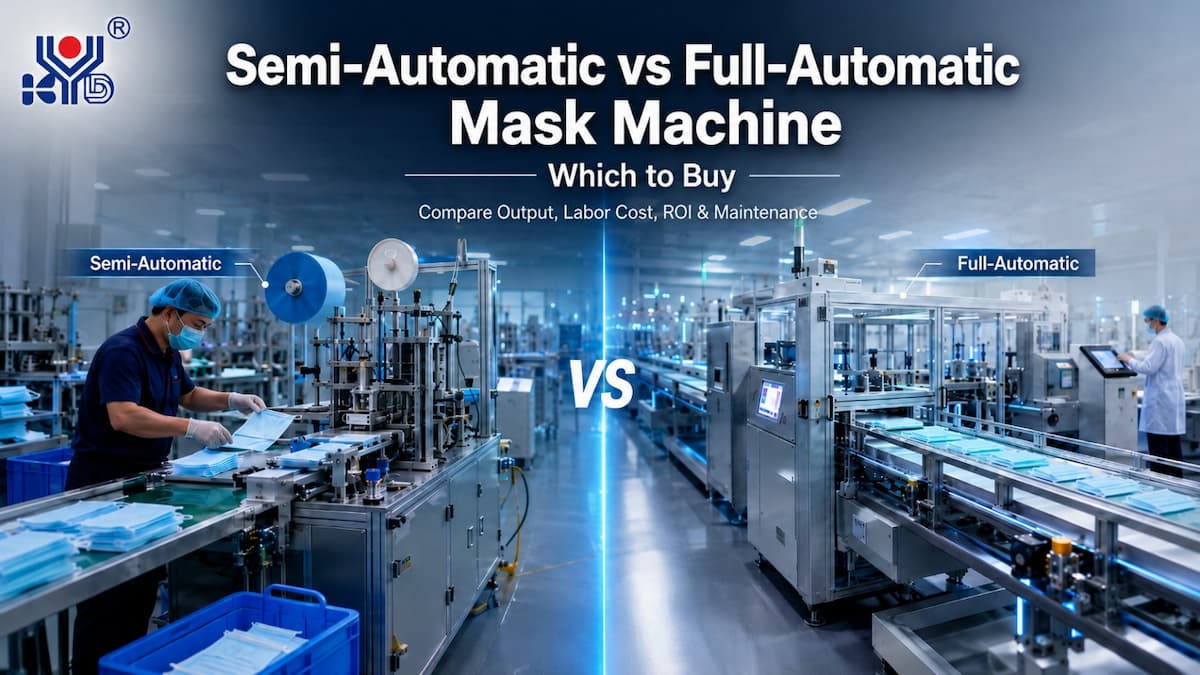
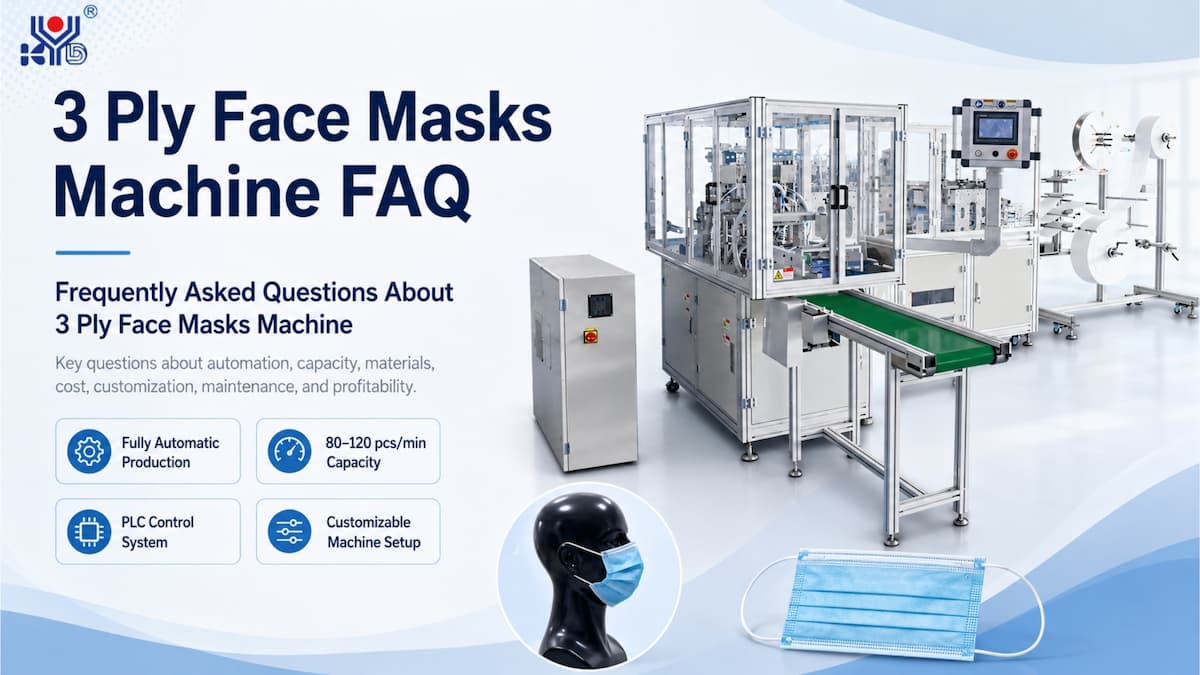
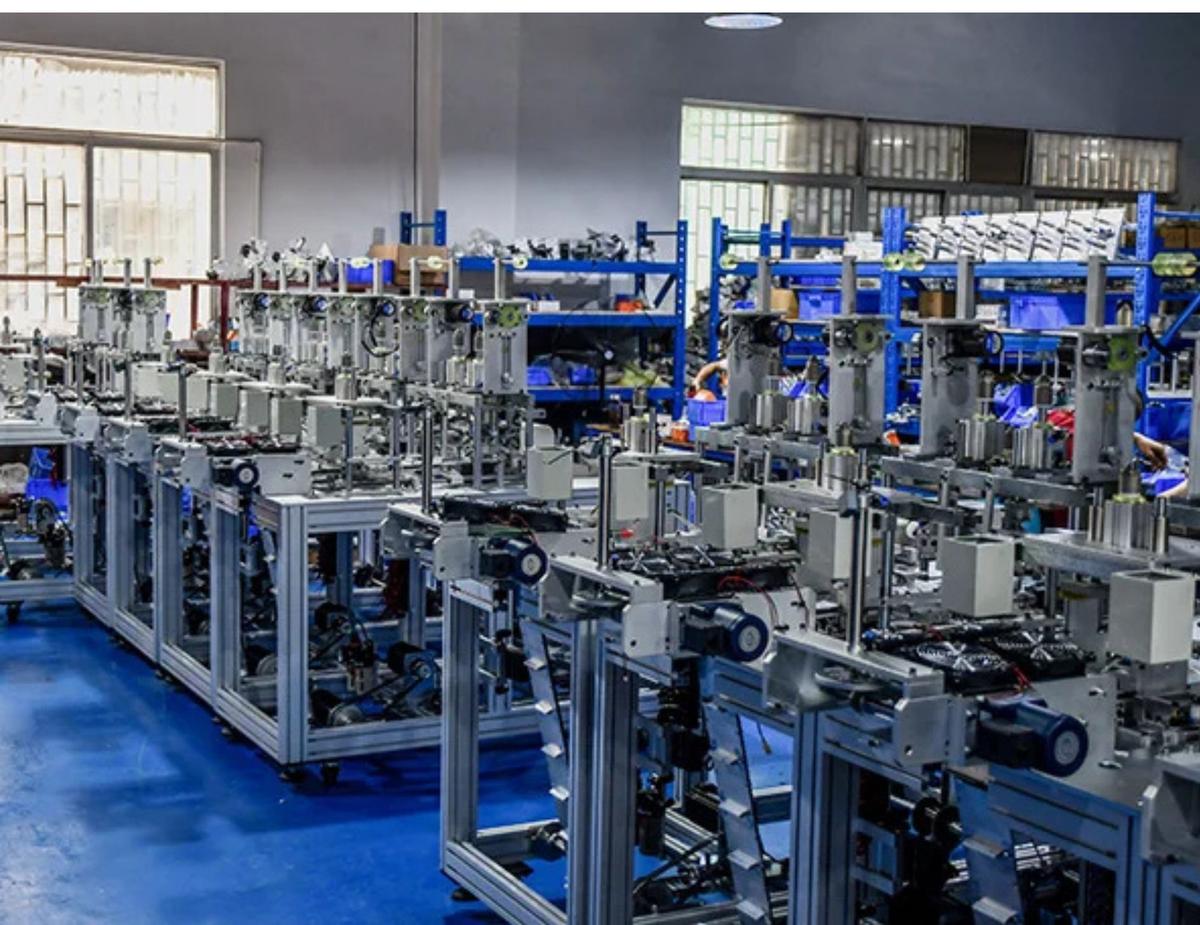
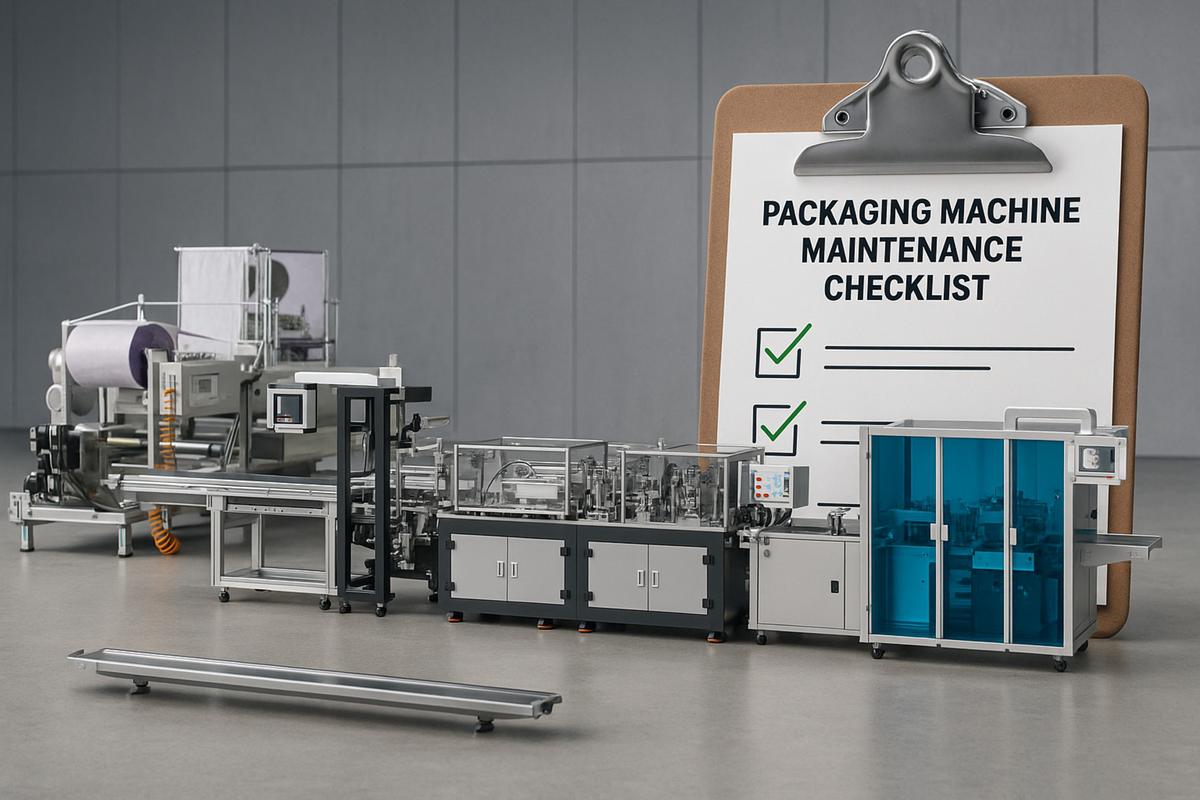
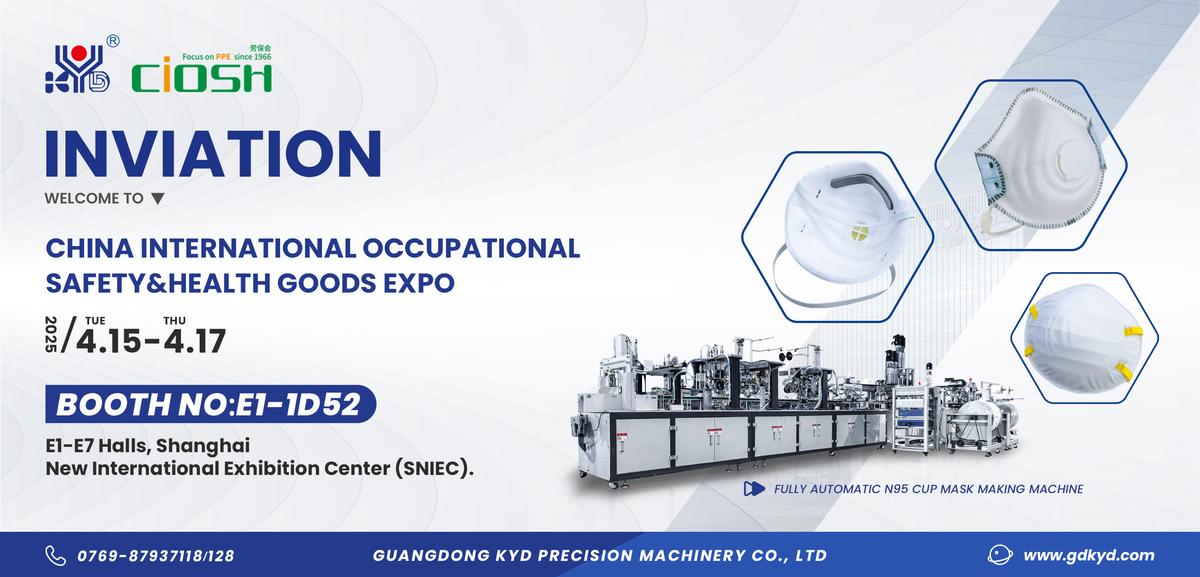
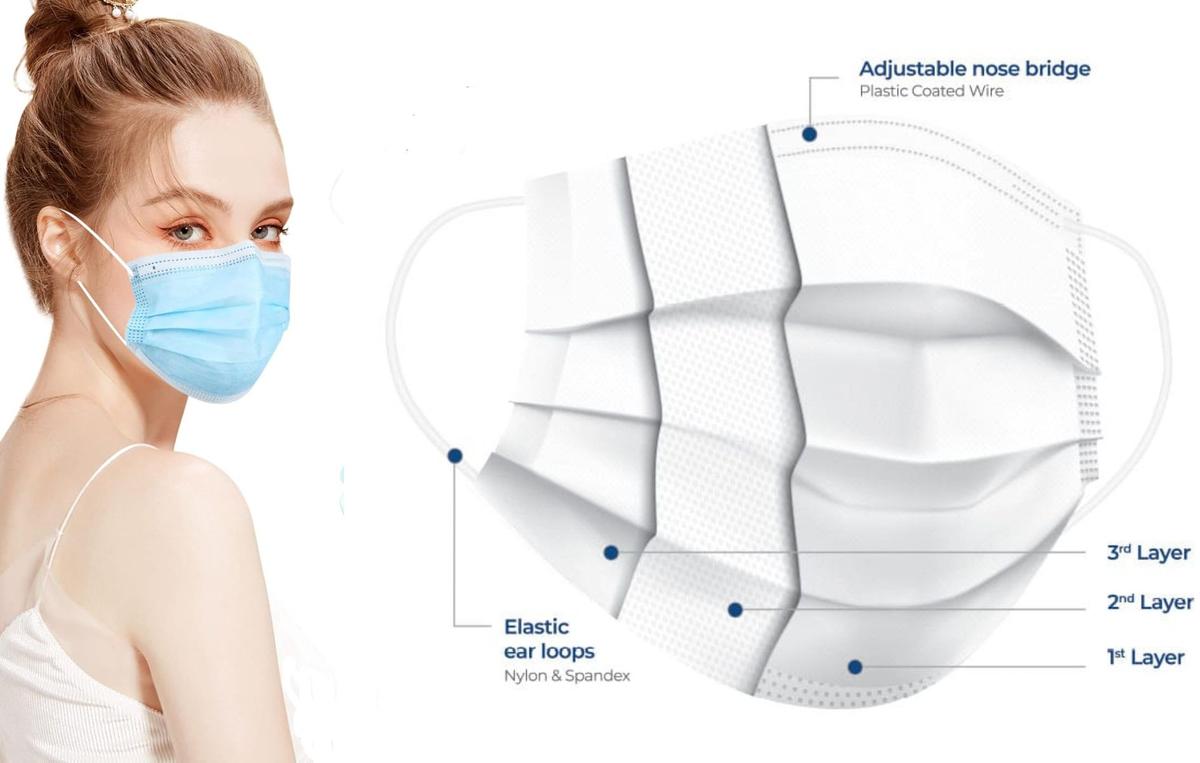
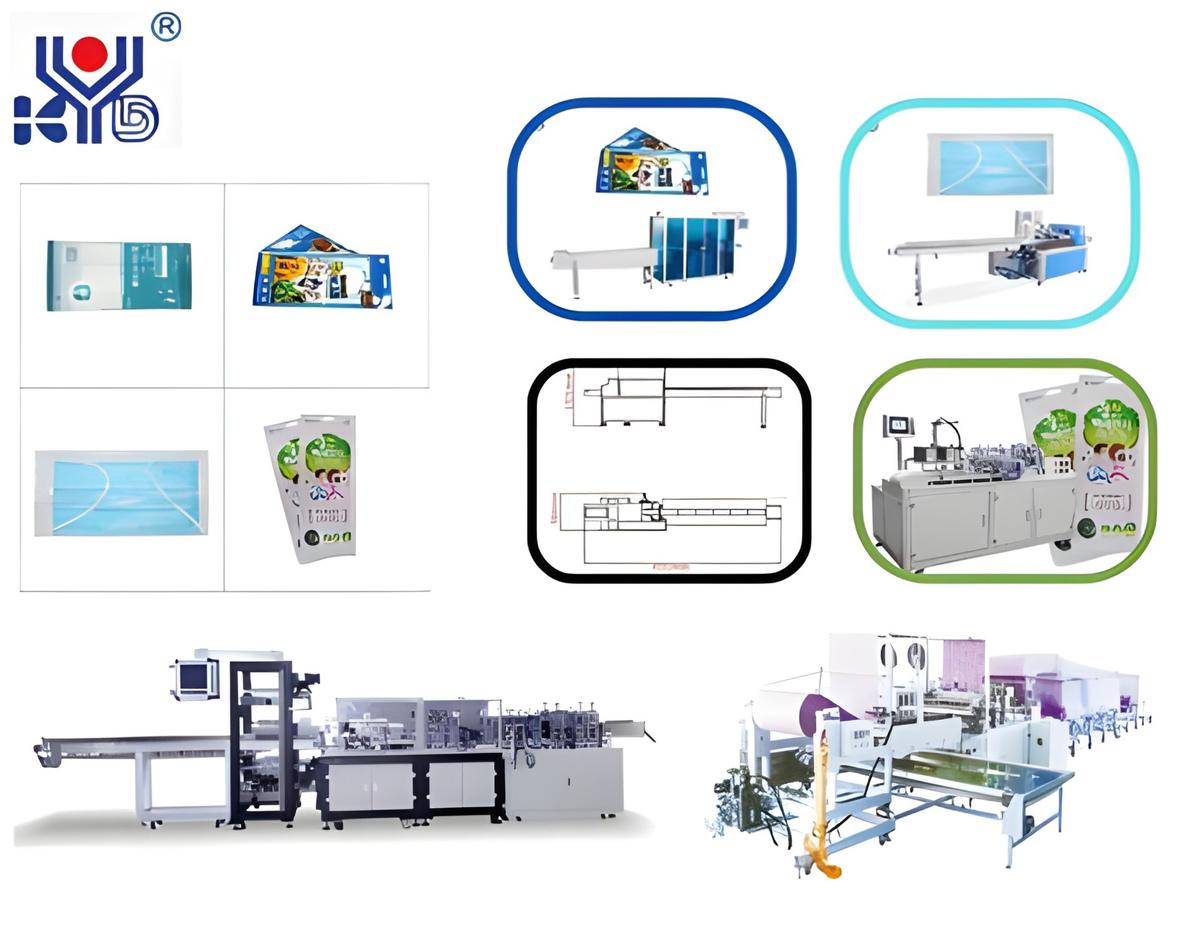
Setting up a face mask production line is not only about buying a machine. It is about choosing the right automation level, mask type, production capacity, raw materials, quality control process, and after-sales support. For buyers who want to produce disposable surgical face masks, 3 ply surgical face masks, or cup-style respirator masks, the right setup can reduce labor costs, improve output, and make production more stable.This guide is written for global buyers, factory owners, PPE suppliers, and surgical face mask manufacturers who want a clear, practical way to plan their production line. You will learn what machines are needed, how to compare options, what mistakes to avoid, and how Guangdong KYD Precision Machinery Co., Ltd. can support non-woven mask production projects.Quick Answer: What Is a Face Mask Production Line?A face mask production line is a complete machine system that turns non-woven fabric, melt-blown fabric, nose wire, and ear loop material into finished masks. A standard line may include material feeding, folding, nose wire inserting, ultrasonic welding, cutting, ear loop welding, counting, inspection, and packaging. For buyers, the best line depends on the mask type, target capacity, factory space, labor plan, and quality requirements.Table of ContentsWhat Is Included in a Face Mask Production Line?Main Types of Face Mask MachinesSurgical Mask vs Cup Mask Production LineKey Factors Before Buying a MachineProduction Line Setup ChecklistCommon Mistakes Buyers Should AvoidExpert Tips for Better ROIFAQsConclusionWhat Is Included in a Face Mask Production Line?A complete face mask production line is usually built around the final mask design. For a 3 ply surgical face mask, the process normally starts with automatic fabric feeding. The machine layers the non-woven and melt-blown materials, inserts the nose wire, folds the mask body, welds the edges, cuts the mask shape, and then attaches the ear loops or tie straps.For a higher-level setup, the line may also include automatic counting, visual inspection, metal detection, bag packaging, box packaging, or direct connection to a packaging machine. This is important for buyers who want stable commercial production instead of small-batch manual work.A good line should help the factory produce masks with consistent size, strong welding, clean edges, comfortable ear loops, and stable output.Main Types of Face Mask MachinesDifferent buyers need different machines. Before choosing, you must decide what product you want to sell.1. Surgical Face Mask Making MachineA surgical face mask making machine is used to produce flat masks, usually 3 ply surgical face mask products. This is one of the most common choices for medical suppliers, hospitals, wholesalers, and disposable mask making machine buyers.It is suitable for:Disposable surgical face mask production3 ply surgical face mask productionFlat medical mask productionEar loop or tie-on mask productionHigh-volume daily outputThis machine is a strong choice when the buyer wants a simple, scalable, and widely demanded product.2. Disposable Mask Making MachineA disposable mask making machine is often used for flat daily-use masks or basic protective masks. The structure is similar to surgical mask production, but the required quality level may depend on the target market.Buyers should not only check machine speed. They should also check welding strength, fabric compatibility, machine stability, spare parts availability, and how easy it is for workers to operate the system.3. Cup Mask Making MachineA cup mask making machine is used for molded masks, including cup-style respirator masks. These masks need forming, welding, trimming, valve or headband processing, and sometimes extra steps depending on the design.This setup is more complex than a flat mask line. It is suitable for buyers who want to produce cup masks for industrial, medical, or labor protection markets.4. N95 Cup Mask MachineAn N95 cup mask machine is designed for cup-style respirator production. Buyers should pay close attention to mask shape stability, forming quality, nose foam placement, headband welding, and sealing performance.For this type of project, the machine supplier should understand both automation and the practical production challenges of respirator-style masks.Surgical Mask vs Cup Mask Production LineWhen evaluating which production line to invest in, it is important to understand the fundamental differences in technology, operational demands, and market application.Product Structure and Design:A Surgical Mask Line is designed to manufacture flat, disposable 3-ply masks, which are straightforward in construction. Conversely, a Cup Mask Line produces molded, rigid cup-shaped respirators, a design that necessitates more complex manufacturing steps.Complexity and Technical Requirements: The production complexity for surgical masks is considered low to medium, making these machines easier for staff to operate. In contrast, cup mask production involves medium to high complexity; it requires advanced technical control to ensure the product maintains its specific molded shape and integrity.Cost and Investment: Generally, the capital expenditure for a surgical mask machine is lower, which aligns with its focus on high-speed, high-volume output. A cup mask line typically involves a higher machine cost due to the sophisticated forming and sealing technology required to produce a durable respirator.Strategic Focus and Market Application: The Surgical Mask Line is best suited for medical suppliers and wholesalers who prioritize speed, efficient ultrasonic welding, and ear loop quality. On the other hand, the Cup Mask Line is the preferred choice for PPE brands and industrial safety suppliers, where the primary focus is on precise forming, airtight sealing, and consistent shape retention to meet safety standards.If your target market needs high-volume flat masks, a surgical face mask making machine is often the better starting point. If your customers need respirator-style protection, a cup mask making machine or N95 cup mask machine may be more suitable.Key Factors Before Buying a Face Mask Production Line1. Final Mask TypeStart with the final product. Do you want to produce 3 ply surgical face masks, disposable masks, tie-on masks, cup masks, or N95-style cup masks? The surgical face mask design affects the entire machine configuration.2. Production CapacityAsk the supplier about stable working speed, not only maximum speed. A machine may have a high rated speed, but real factory output depends on material quality, operator skill, maintenance, and packaging speed.3. Automation LevelA fully automatic line can reduce labor and improve consistency. However, it usually requires a higher investment. Semi-automatic machines may be suitable for smaller factories, but they need more workers and more manual control.4. Raw Material CompatibilityYour machine should work smoothly with the materials you plan to use. Common materials include spunbond non-woven fabric, melt-blown fabric, nose wire, elastic ear loop, headband material, and packaging film.5. Welding QualityUltrasonic welding quality is very important. Poor welding can cause weak ear loops, loose edges, or rejected products. Before buying, ask for machine testing videos, sample masks, and factory acceptance testing.6. Space and Factory LayoutMany buyers forget the layout. You need enough space for raw material rolls, machine operation, finished mask collection, packaging, quality checking, spare parts, and worker movement.7. After-Sales SupportFor global buyers, support matters. Choose a supplier that can provide installation, training, troubleshooting, maintenance guidance, and spare parts. A low-cost machine can become expensive if support is weak.Face Mask Production Line Setup ChecklistEstablishing a successful face mask production line requires careful consideration of several key factors to ensure efficiency and product quality:The Unique Angle Most Buyers Miss: Packaging Can Limit Your OutputMany buyers focus only on the mask machine speed. But in real production, packaging can become the bottleneck. If your machine produces masks quickly but your workers pack them slowly, your total factory output will still be limited.For commercial production, plan the full workflow:Mask productionCountingInspectionBag packagingBox packagingCarton packingStorageShipmentIf possible, choose a setup where the mask production line can connect with automatic packaging machinery. This makes the operation smoother and more scalable.Why Choose Guangdong KYD Precision Machinery Co., Ltd.Guangdong KYD Precision Machinery Co., Ltd. focuses on automated non-woven processing machinery, including face mask machinery, medical machinery, filter cotton machinery, cosmetic and care machines, packaging machinery, and non-standard customized equipment.For face mask buyers, KYD offers different machine options, including automatic disposable surgical face mask machines, cup mask making machines, N95 cup mask machines, KF94 mask machines, and related mask processing systems.KYD is suitable for buyers who want:Customized machinery solutionsAutomated production systemsFace mask and non-woven machinery experienceInstallation and training supportMaintenance and after-sales serviceMachine options for different mask designsThis makes KYD a practical choice for global buyers who need more than a basic machine listing. A good supplier should help you plan the production process, not just sell equipment.Common Mistakes Buyers Should AvoidMistake 1: Buying Only Based on PriceThe cheapest machine may look attractive, but it can create problems later. Poor welding, unstable feeding, weak spare parts support, and frequent downtime can reduce profit.Mistake 2: Ignoring the Final Mask DesignA surgical face mask design is not the same as a cup mask design. Always confirm the final product size, layer structure, ear loop style, nose wire type, and packaging method before ordering.Mistake 3: Not Testing MaterialsDifferent fabrics behave differently during folding, welding, and cutting. Test your actual raw materials before mass production.Mistake 4: Forgetting Spare PartsAsk for a spare parts list before buying. Important parts may include ultrasonic components, cutters, belts, sensors, cylinders, and electrical parts.Mistake 5: No Operator TrainingEven automatic machines need trained workers. Good training reduces downtime, waste, and machine damage.Mistake 6: Ignoring Quality ControlSurgical face mask manufacturers should build a basic QC process from the beginning. Check mask size, appearance, welding strength, ear loop strength, nose wire position, and packaging quality.Expert Tips for Better ROIChoose the machine based on your target market, not only machine speed.Ask for real production videos using similar materials.Plan packaging before the machine arrives.Keep trained operators and maintenance staff.Order critical spare parts with the machine.Calculate output based on stable speed, not maximum speed.Work with a supplier that understands custom requirements.A face mask production line is a long-term investment. The right setup can help you produce stable quality, reduce waste, and serve buyers more professionally.FAQs About Face Mask Production Line Setup1. What machine do I need to produce a 3 ply surgical face mask?You need a surgical face mask making machine that can feed multiple fabric layers, insert the nose wire, fold and weld the mask body, cut the mask, and attach ear loops or tie straps. For larger production, you may also need automatic packaging equipment.2. What is the difference between a disposable mask making machine and a surgical mask machine?A disposable mask making machine can produce general flat masks, while a surgical mask machine is usually configured for medical-style mask production. The difference may include material layers, welding quality, mask design, and quality requirements.3. Is a cup mask making machine suitable for N95 mask production?A cup mask making machine can be used for cup-style respirator mask production. For N95-style cup masks, buyers should choose a machine designed for forming, welding, cutting, headband attachment, and stable cup shape production.4. How do I choose the right face mask production line capacity?Start with your daily sales target. Then calculate how many masks you need per hour and per shift. Also include downtime, material change, QC checks, and packaging speed in your calculation.5. What should I check before buying from surgical face mask manufacturers or machine suppliers?Check machine type, production speed, real testing videos, sample quality, after-sales service, warranty, spare parts, installation support, and whether the supplier can customize the line for your mask design.6. Can one machine produce both surgical masks and cup masks?Usually, no. Flat surgical masks and cup masks need different machine structures. A surgical mask line is designed for flat mask production, while a cup mask line is designed for molded mask production.7. Why is packaging important in mask production?Packaging protects the finished masks and improves commercial presentation. It also affects factory output. If packaging is too slow, it can reduce the efficiency of the full production line.ConclusionA face mask production line should be planned around your product, market, capacity, materials, quality standards, and long-term business goals. If you want to produce disposable surgical face masks, a 3 ply surgical face mask line may be the best starting point. If your market needs molded respirator-style products, a cup mask making machine or N95 cup mask machine may be more suitable.Guangdong KYD Precision Machinery Co., Ltd. provides automated non-woven machinery solutions for buyers who need reliable production, custom machine design, installation, training, and after-sales support. For global buyers planning a new mask manufacturing project, choosing the right machine partner can make production smoother, more efficient, and more profitable.