The factory floor looks fundamentally different today than it did five years ago. Machines communicate with each other in real time. Production lines self-correct without operator input. Quality defects are caught before they reach the end of the conveyor. And the manufacturers who built these capabilities early are now operating at a competitive level that manual-first operations simply cannot match.
This is not a future projection. This is smart manufacturing in 2026, and it is already reshaping how industrial businesses compete, scale, and survive.
What is smart manufacturing? At its core, it is the integration of physical production systems with digital intelligence connecting machines, sensors, data platforms, and human decision-making into a single, coordinated ecosystem.
Unlike traditional automation, which replaces one manual task with one mechanical process, smart manufacturing creates an environment where the entire production system learns, adapts, and optimises continuously. Equipment communicates across the line. Data flows from the factory floor to management dashboards in real time. Decisions that once took days of analysis now happen in seconds.
For B2B manufacturers, whether producing medical devices, packaging materials, non-woven products, or disposable hygiene goods, this shift is not theoretical. It directly determines output quality, labour efficiency, operational cost, and your ability to meet the demands of increasingly quality-conscious global buyers.
The numbers tell a clear story. By early 2026, almost half of global manufacturing operations 47 percent have integrated smart systems, marking a 12-percentage-point jump compared to the prior year. That adoption rate is not driven by curiosity. It is driven by results.
According to a McKinsey Industry 4.0 analysis, manufacturers that adopt advanced digital technologies such as predictive analytics, robotics, and IIoT platforms often achieve productivity gains between 15 and 30 percent within the first few years of implementation.
According to the Association for Advancing Automation, 86 percent of employers now view AI as the dominant driver of business transformation through 2030. This is no longer a trend being watched from a distance. It is a strategic decision being made or delayed in boardrooms right now.
The manufacturers delaying this transition are not staying neutral. They are falling behind.
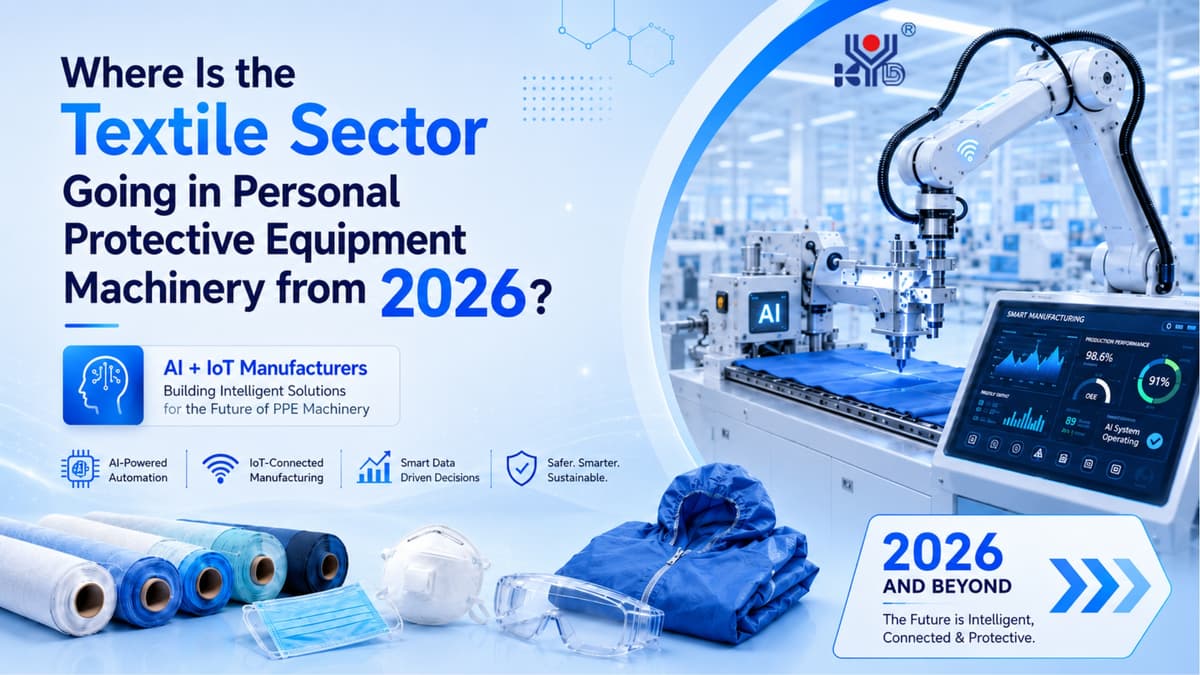
Smart factory automation is not one technology — it is a stack of interconnected systems that, when deployed together, transform a production environment.
Industrial IoT (IIoT) and connected sensors sit at the foundation. Every machine on a modern automated production line generates data: temperature, pressure, cycle time, throughput rate, energy consumption. IIoT infrastructure collects this data continuously and feeds it to analytics platforms where patterns and problems become visible before they cause downtime. Since January 2026, more than 8,500 facilities have fully deployed IIoT architectures globally
AI and machine learning turn that data into action. In intelligent manufacturing systems, AI algorithms analyse production data in real time, identify anomalies, predict equipment failures, and recommend process adjustments automatically. AI-driven control systems yield average efficiency gains of 31 percent and reduce unplanned downtime by up to 43 percent. For a production facility running two or three shifts per day, that reduction in downtime alone can represent significant annual cost savings.
PLC automation in manufacturing forms the control backbone of the automated production line. Programmable Logic Controllers manage machine sequences, coordinate multi-axis servo systems, and ensure that every operational parameter stays within defined tolerances. Modern PLC systems go further integrate with HMI touchscreens, connecting to factory networks, logging production data by shift, and enabling remote diagnostics. This is the technology that allows a single operator to oversee what previously required a team of technicians.
Digital twins allow manufacturers to simulate process changes, test new configurations, and model equipment performance before making a single physical adjustment. IDC notes that simulation and digital twins are increasingly essential because downtime in production is too expensive, driving manufacturers to model new technologies and decisions before they are implemented.
Together, these technologies define what Industry 4.0 manufacturing looks like in practice: a production environment that is connected, data-driven, and capable of continuous self-improvement.
For procurement managers, factory owners, and production directors evaluating capital equipment decisions, the question is never simply "what does this technology do?" It is always "what does it return?"
The benefits of smart manufacturing at the operational level are measurable and consistent across industries:
Cost reduction in manufacturing automation comes from multiple directions simultaneously. Labour costs fall as automated production lines maintain consistent output without proportional headcount. Waste drops as AI-driven quality control catches defects earlier in the process. Energy costs decrease as intelligent systems optimise machine load and idle periods. Maintenance costs shift from reactive fixing failures after they occur to predictive, addressing issues before they cause downtime.
Quality consistency improves fundamentally. Human-operated processes introduce variability that compounds across shifts, operators, and production runs. Industrial automation systems eliminate the drift that comes from fatigue, technique variation, and manual adjustment differences. The result is a production line that delivers the same output quality at hour eight of a shift as it does at hour one.
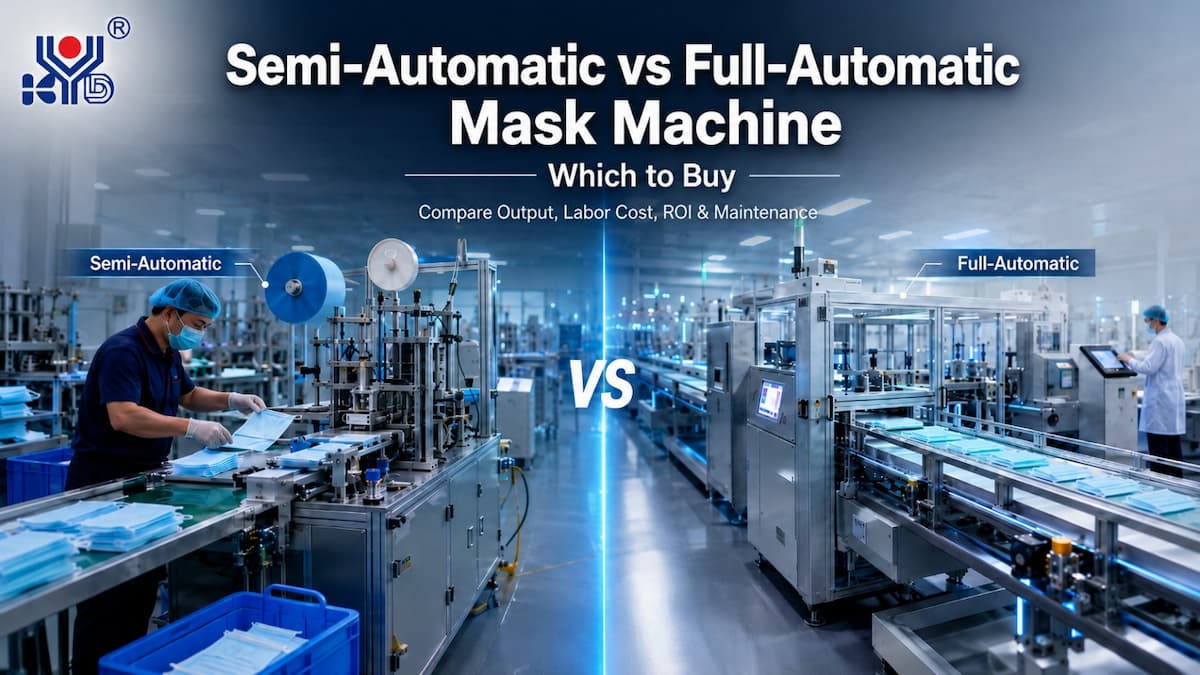
Scalability becomes structural rather than linear. On a manual or semi-automated line, scaling output means hiring more people, managing more complexity, and absorbing more risk. On a fully integrated smart manufacturing line, scaling often means extending shift hours or adding a parallel station — not rebuilding the operational model from scratch.
Digital transformation in manufacturing also creates a data asset that grows over time. Every production run builds a richer dataset. Predictive models become more accurate. Process optimization becomes more precise. The operational intelligence your facility accumulates becomes a competitive advantage that is difficult for competitors to replicate quickly.
How automation improves manufacturing is not a question that requires a theoretical answer in 2026. The evidence is operational, measurable, and available across industries.How automation improves manufacturing is not a question that requires a theoretical answer in 2026. The evidence is operational, measurable, and available across industries.
According to the National Association of Manufacturers, the industry in 2026 is shifting decisively toward operations that can sense, respond, and optimise with minimal human intervention and companies that connect modular design, predictive systems, and AI will gain a lasting performance edge.
The manufacturers winning contracts from quality-driven global buyers today are the ones who can demonstrate consistent output, documented quality records, and production systems that scale reliably. These are not qualities you achieve through manual process management. They are the direct output of investing in the right industrial automation systems at the right time.
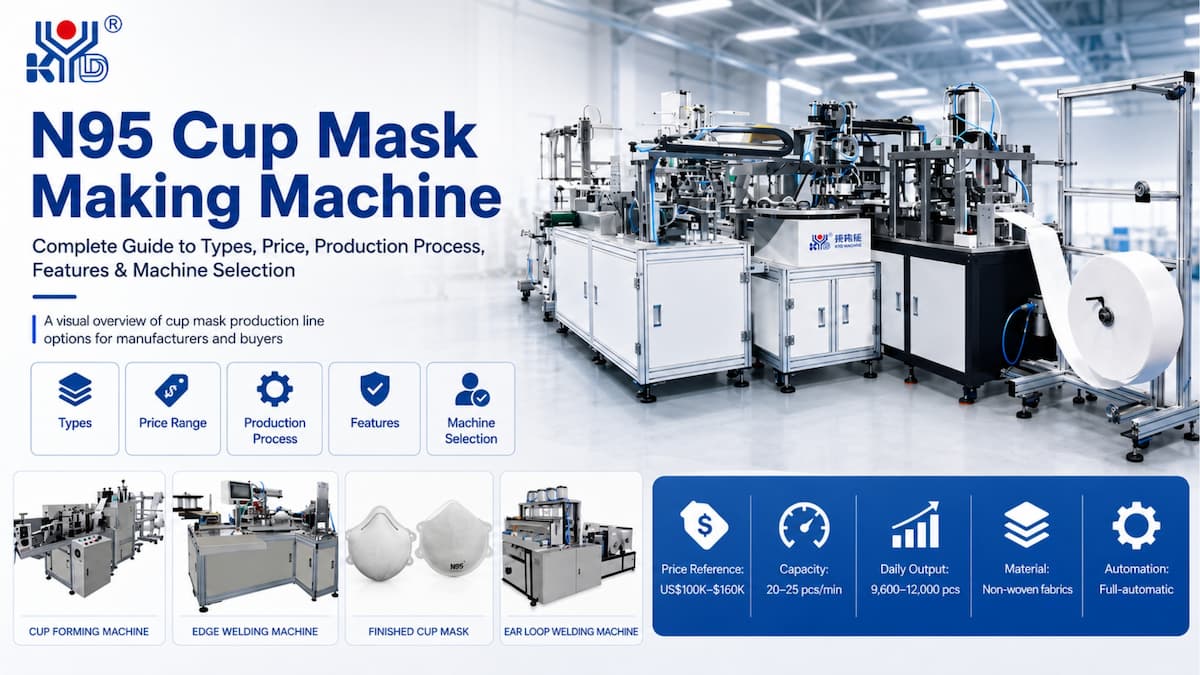
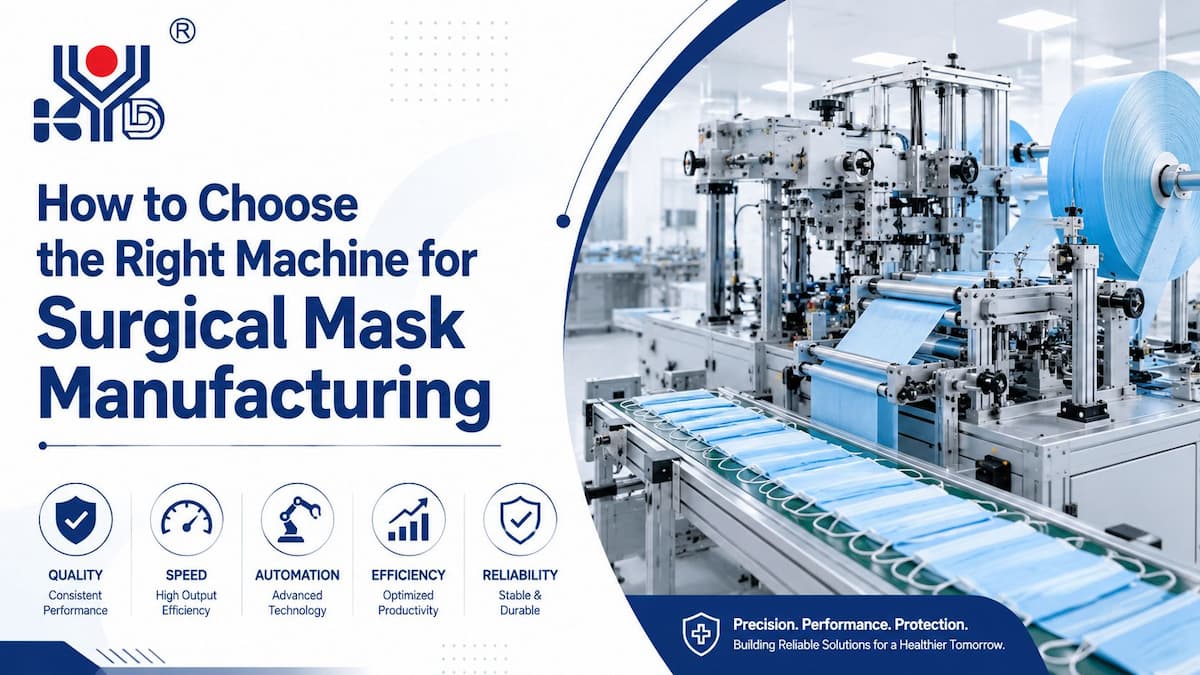
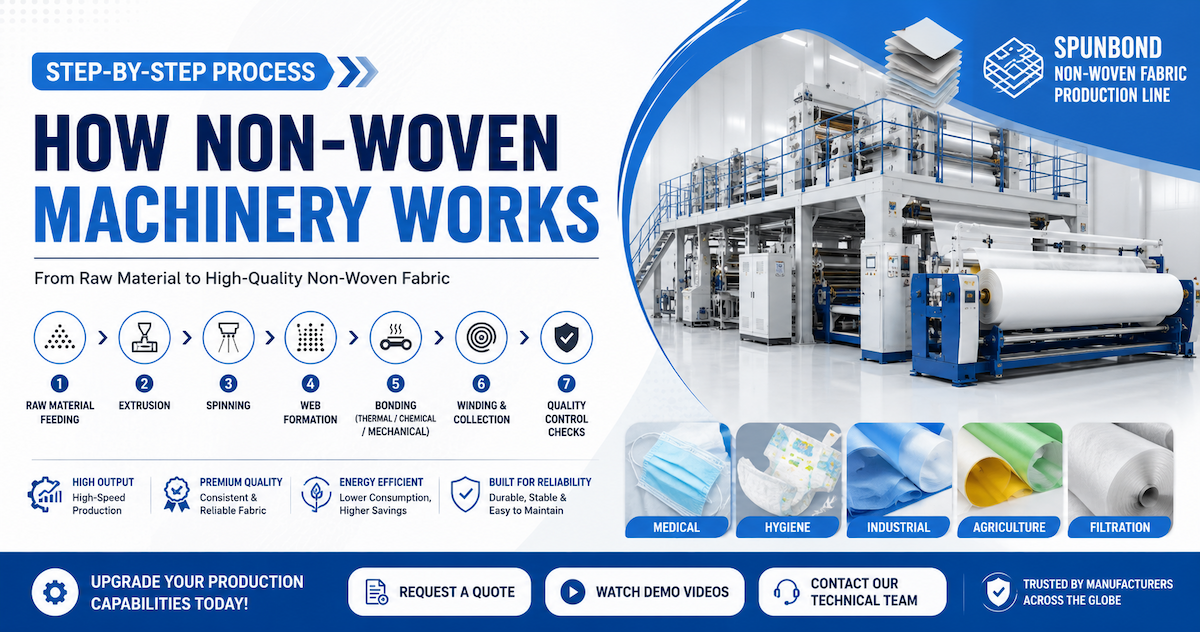
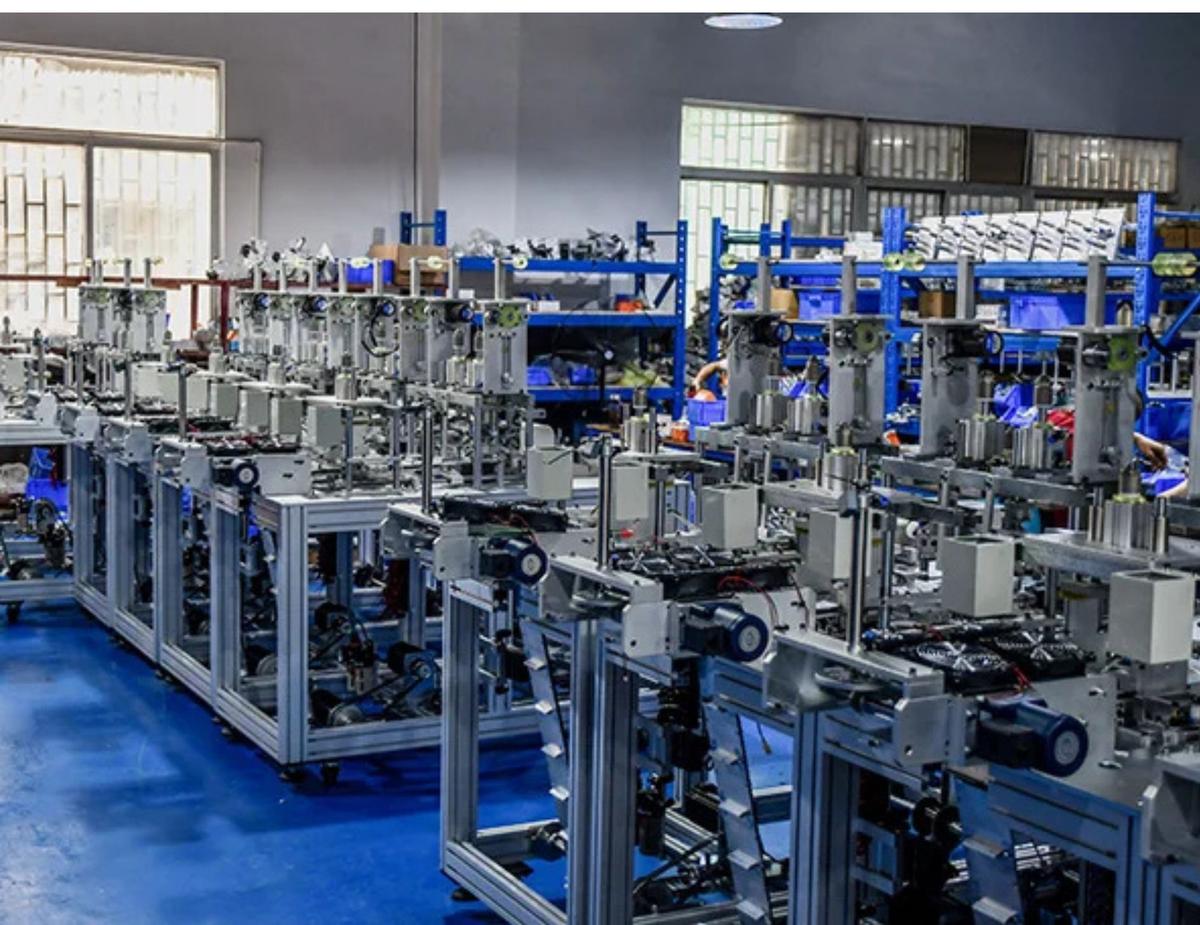
At GDKYD, our packaging machinery, mask-making machines, and non-woven production equipment are engineered with these realities in mind. PLC-controlled production lines, servo-driven precision systems, and automation-ready designs that integrate with broader smart factory infrastructure built for manufacturers who are not just keeping pace with smart manufacturing 2026, but building the production capability to lead in it.
Explore KYD's automated production line equipment → Talk to our engineering team about your production requirements →


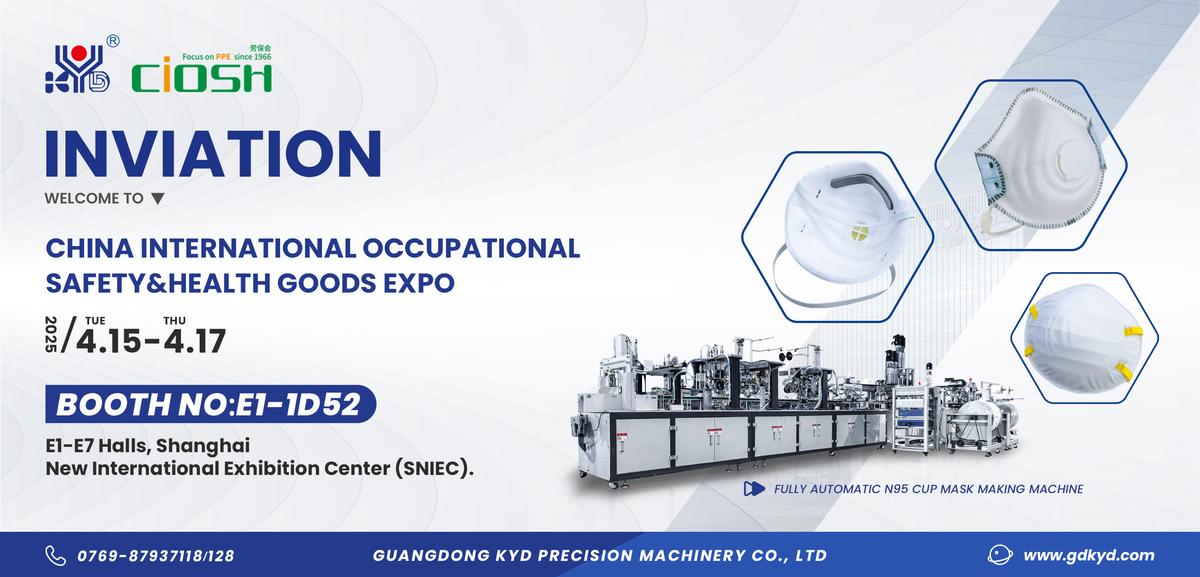
China International Occupational Protection Products Fair (CIOSH) is a grand event for the personal protective equipment industry in my country, and the Shanghai exhibition is the most concentrated, largest and most visited exhibition. As one of the most influential exhibitions in the industry, the China International Occupational Protection Products Fair (Shanghai) provides us with an ideal platform to showcase our innovative products and solutions in the field of labor protection products production, interact with customers and strengthen our brand. Our team of experts will be available at our booth (NO.E1-1D52) throughout the event. We are pleased to showcase our latest innovative products and services and sincerely invite all our valued customers and partners to join us and learn about our latest equipment. Fully automatic cup-shaped mask machine (front section + back section) Gas mask filter cotton production line (snap filter cotton/pleated filter cotton/ordinary filter cotton) Chongsong mask production line (bracket mask machine) We will have very professional sales managers and technical consultants ready to answer any questions and provide information about our products and services. Guangdong Kuaiyuda has focused on the research and development, manufacturing and supply of mask machinery and non-woven medical consumables production equipment for more than 26 years and has won a good reputation worldwide. During this period, we have closely followed the progress of labor protection respiratory protection equipment and actively participated in international exhibitions featuring labor protection respiratory protection equipment. Today, we have cooperated with more than 10,000 customers worldwide, our machines are exported to more than 60 countries, and currently 50,000 machines are running stably worldwide. We hope to help more customers related to the labor protection respiratory protection production industry find and solve their problems, improve production efficiency and save costs to obtain higher profits. We sincerely look forward to meeting you at the China Shanghai Labor Protection Products Fair. Our booth: (NO.E1-1D52). Welcome to our exhibition. If you have any questions about our products or services, please feel free to contact us!

CMEF Shanghai International Medical Equipment Exhibition is the top exhibition in the medical industry, bringing together outstanding companies and professionals from China. This year's exhibition will be held at the Shanghai National Convention and Exhibition Center from April 8 to 11, 2025. As one of the most influential exhibitions in the industry, the Shanghai International Medical Equipment Exhibition provides us with an ideal platform to showcase our innovative products and solutions in the field of medical consumables production, interact with customers and strengthen our brand.,Our team of experts will be available at our booth (8.1-L47/L49) throughout the event. We are pleased to showcase our latest innovative products and services and sincerely invite all our valued customers and partners to join us to learn about our latest medical bandage mask equipment, surgical gown production solutions, doctor cap production lines, surgical pack production equipment, thumb garment equipment, and slip pad equipment.,We will have very professional sales managers and technical consultants ready to answer any questions and provide information about our products and services. Guangdong Kuaiyuda has focused on the R&D, manufacturing and supply of mask machinery and non-woven medical consumables production equipment for more than 26 years and has won a good reputation worldwide. During this period, we have closely followed the progress of medical machinery and actively participated in international exhibitions featuring medical consumables equipment. Today, we have cooperated with more than 10,000 customers worldwide, our machines have been exported to more than 60 countries, and currently there are 50,000 machines in stable operation worldwide. We hope to help more customers related to the medical consumables production industry find and solve their problems, improve production efficiency and save costs to obtain higher profits.,We sincerely look forward to seeing you at the Shanghai International Medical Equipment Exhibition. Our booth is: (8.1-L47/L49). Welcome to our exhibition. If you have any questions about our products or services, please feel free to contact us!

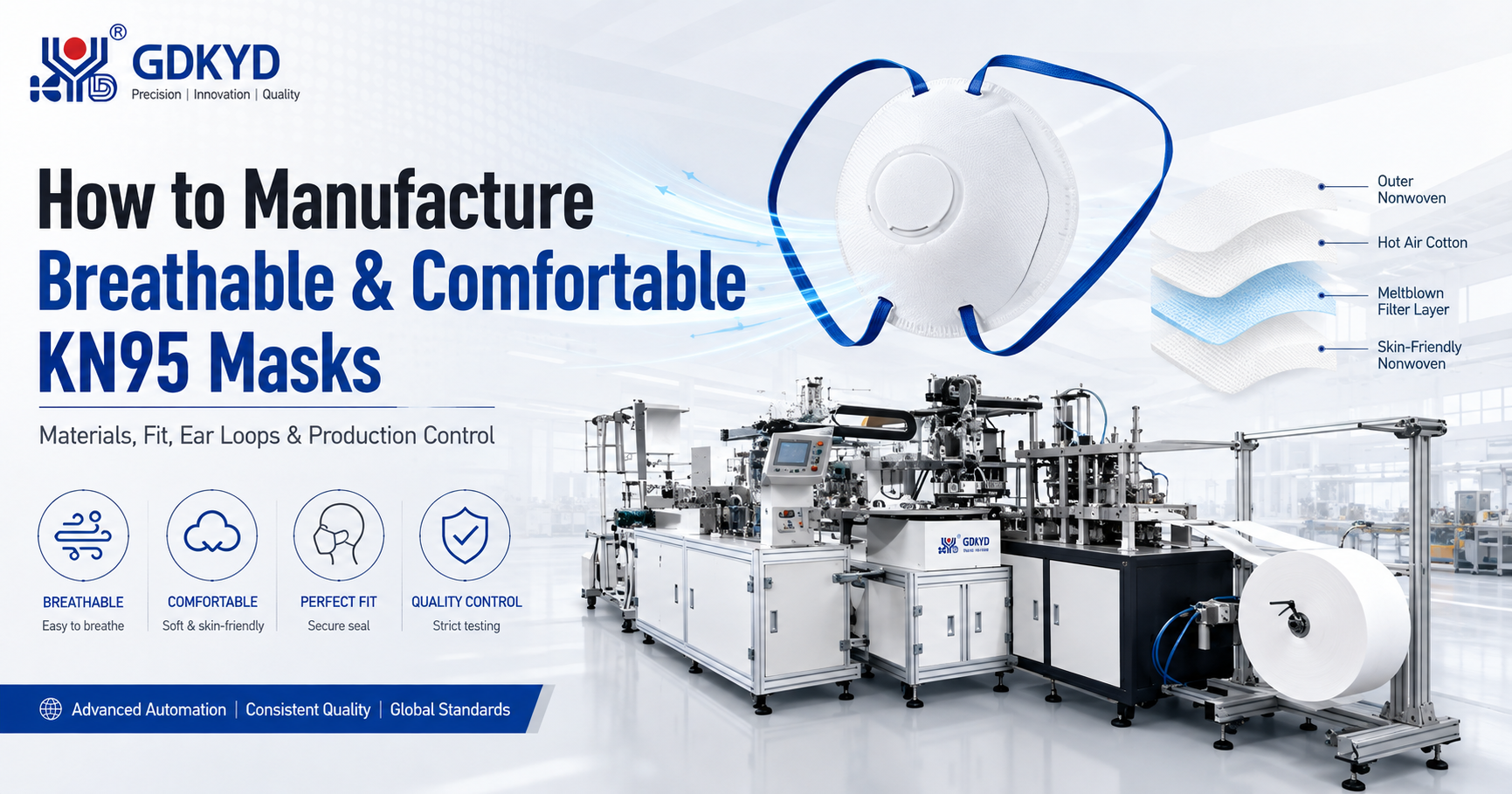
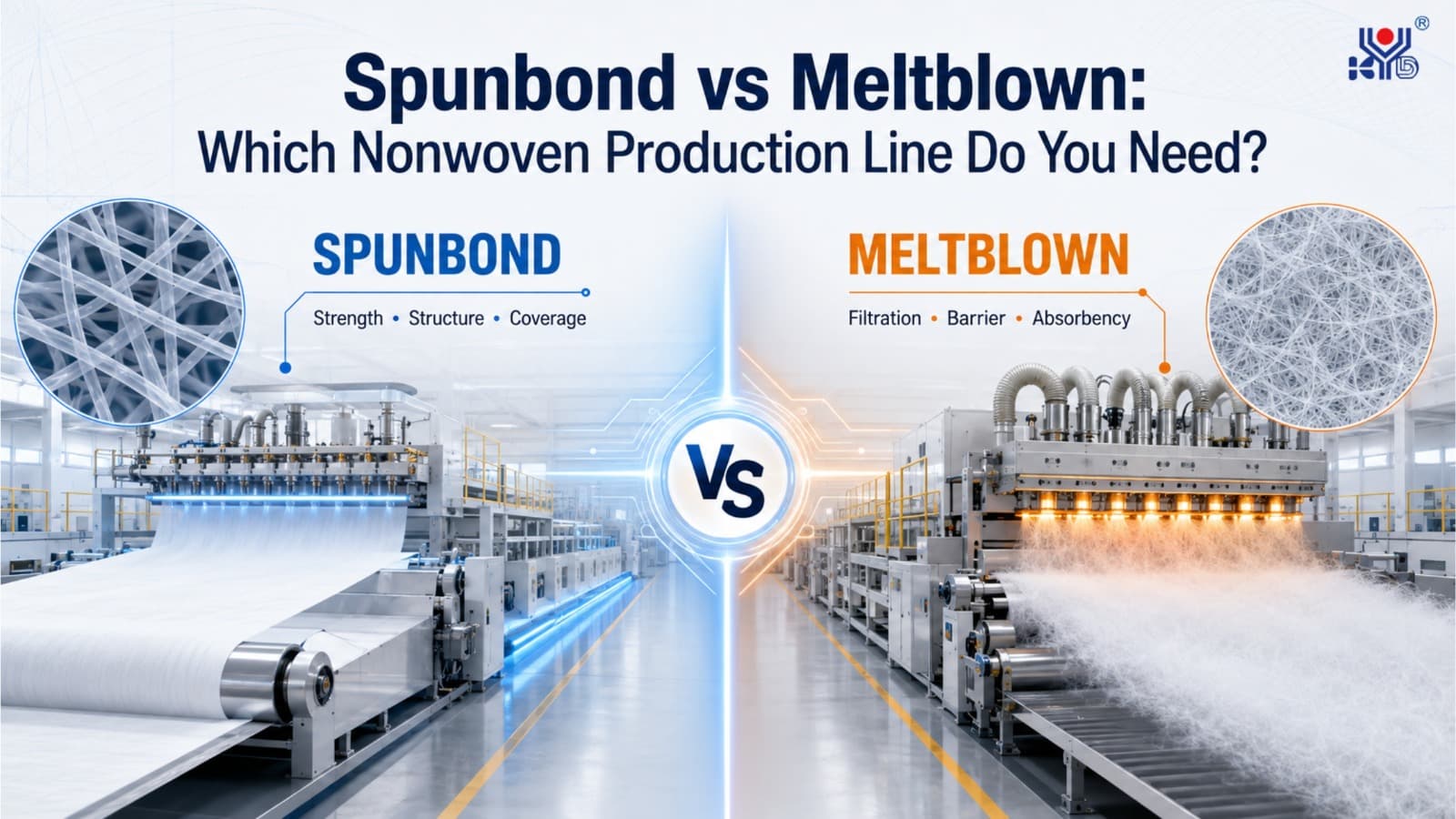
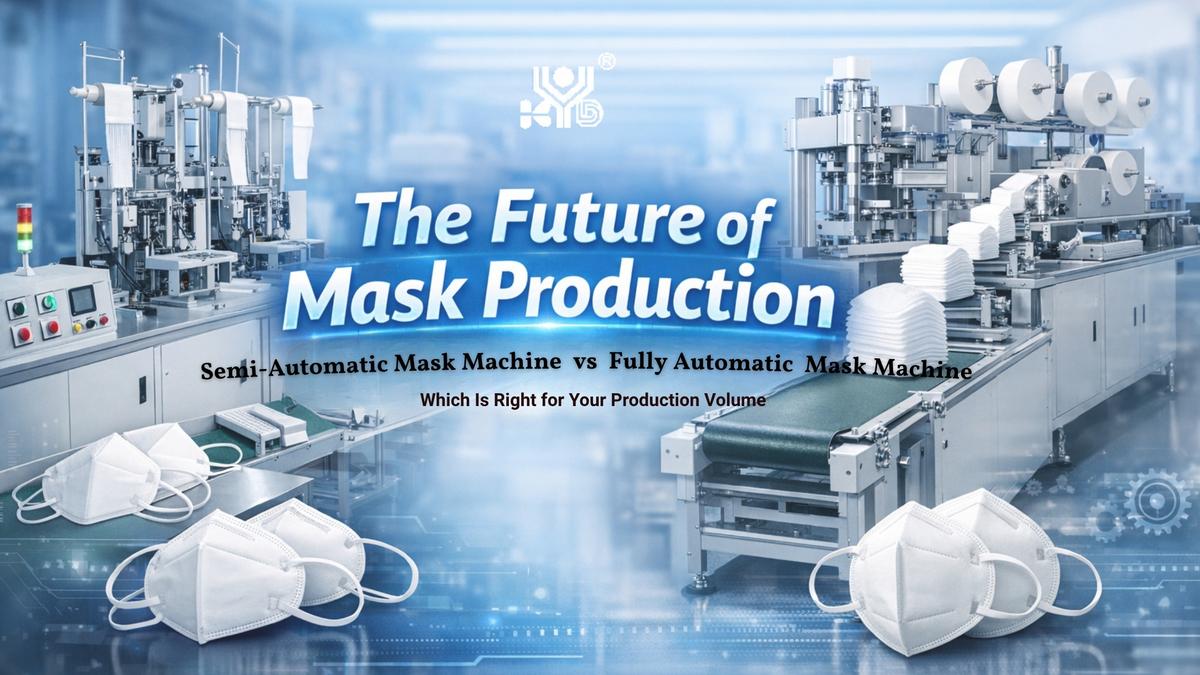
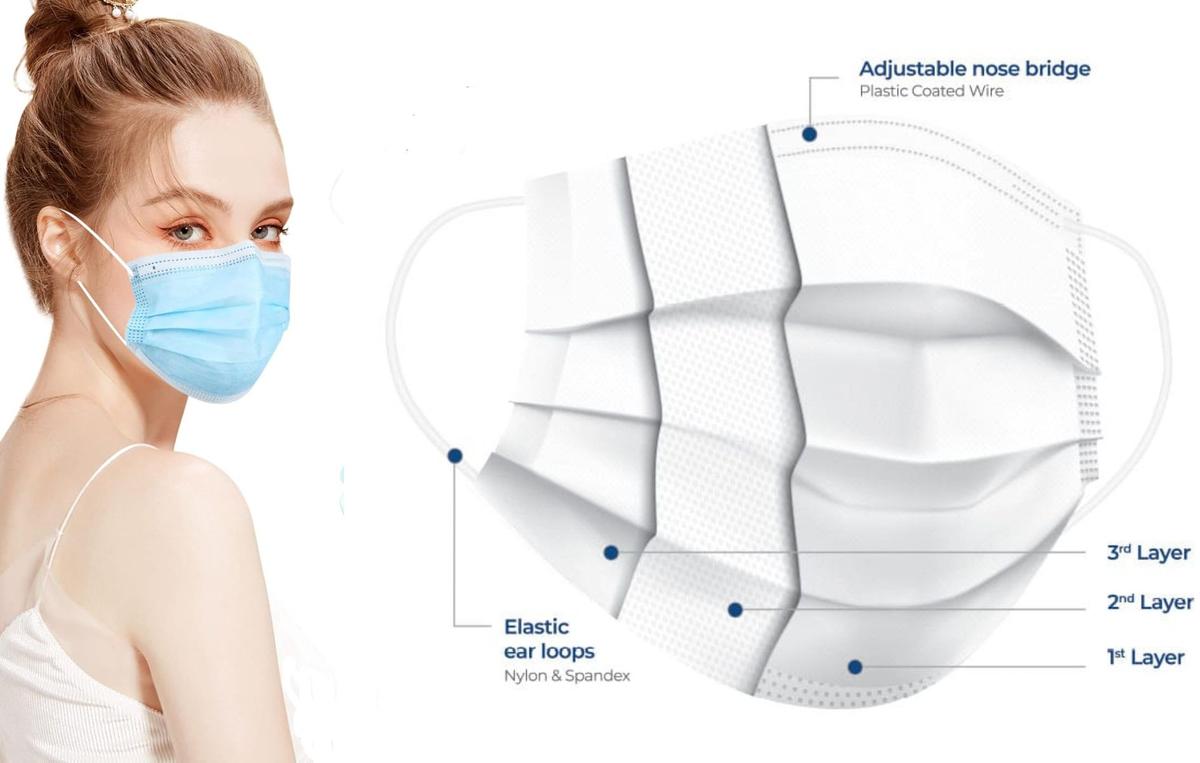
When designing protective face coverings, understanding what types of materials were masks made from is critical for balancing safety and comfort. Premium masks rely on advanced nonwoven fabrics: spunbond polypropylene forms breathable outer/inner layers, repelling fluids while wicking moisture, while meltblown polypropylene acts as the filtration core, trapping microscopic pathogens. Unlike substandard alternatives, these materials meet stringent ASTM benchmarks for bacterial/particle filtration, fluid resistance, and breathability. For secure fitment, adjustable nylon-spandex ear loops and moldable nose wires ensure snug yet comfortable wear—even when taking off a mask repeatedly. Manufacturers prioritizing quality partners with suppliers like Lydall for certified fabrics, but efficiency hinges on pairing these materials with a high-speed face mask machine. GDKYD Medical’s automated systems, engineered with U.S.-made components, produce up to 210 ASTM-compliant masks per minute, integrating triple-layer construction, elastic ear fasteners, and nose bridges seamlessly. Whether crafting Level 3 surgical masks for high-risk settings or everyday medical-grade options, rigorous testing (particle efficiency, synthetic blood resistance) guarantees reliability. For producers aiming to scale output without compromising safety, KYD’s technology transforms premium materials into life-saving gear—explore their solutions to elevate your PPE line.

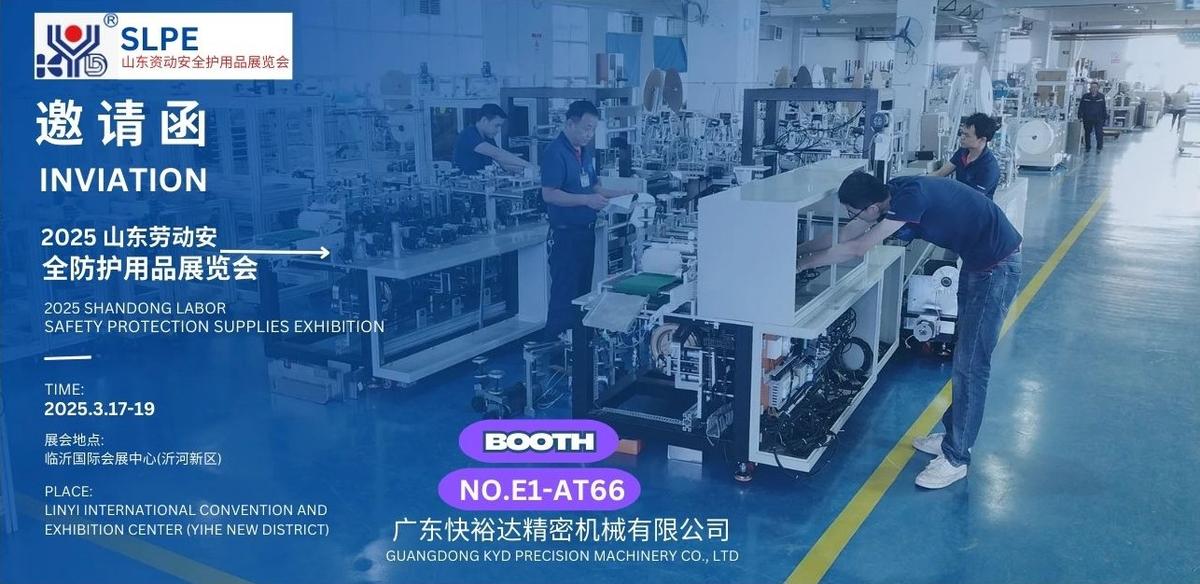
SLPE Shandong Labor Safety Protection Products Exhibition is the top exhibition in the labor protection industry, bringing together outstanding companies and professionals from China. This year's exhibition will be held at Linyi International Convention and Exhibition Center from March 17 to 19, 2025. As one of the most influential exhibitions in the industry, Shandong Labor Safety Protection Products Exhibition provides us with an ideal platform to showcase our innovative products and solutions in the field of industrial respiratory protection, interact with customers and strengthen our brand. Our team of experts will be available at our booth (NO.E1-AT66) throughout the event. We are pleased to showcase our latest innovative products and services and sincerely invite all our valued customers and partners to join us to learn about our latest fully automatic cup mask production solutions, gas mask pleated filter cotton, snap filter cotton production line, non-woven shoe cover equipment. We will also promote our brand culture through this exhibition. We will have very professional sales managers and technical consultants ready to answer any questions and provide information about our products and services. Guangdong Kuaiyuda has focused on the R&D, manufacturing and supply of mask machinery and ultrasonic non-woven products equipment for more than 26 years and has won a good reputation worldwide. During this period, we have paid close attention to the progress of mask machinery and actively participated in international exhibitions focusing on labor protection. Today, we have cooperated with more than 10,000 customers worldwide, our machines are exported to more than 60 countries, and currently there are 50,000 machines in stable operation worldwide. We hope to help more customers related to the respiratory protection industry find and solve their problems, improve production efficiency and save costs to obtain higher profits. We sincerely look forward to meeting you at the Shandong Labor Safety Protection Products Exhibition. Our booth: (NO.E1-AT66). Welcome to our exhibition. If you have any questions about our products or services, please feel free to contact us!

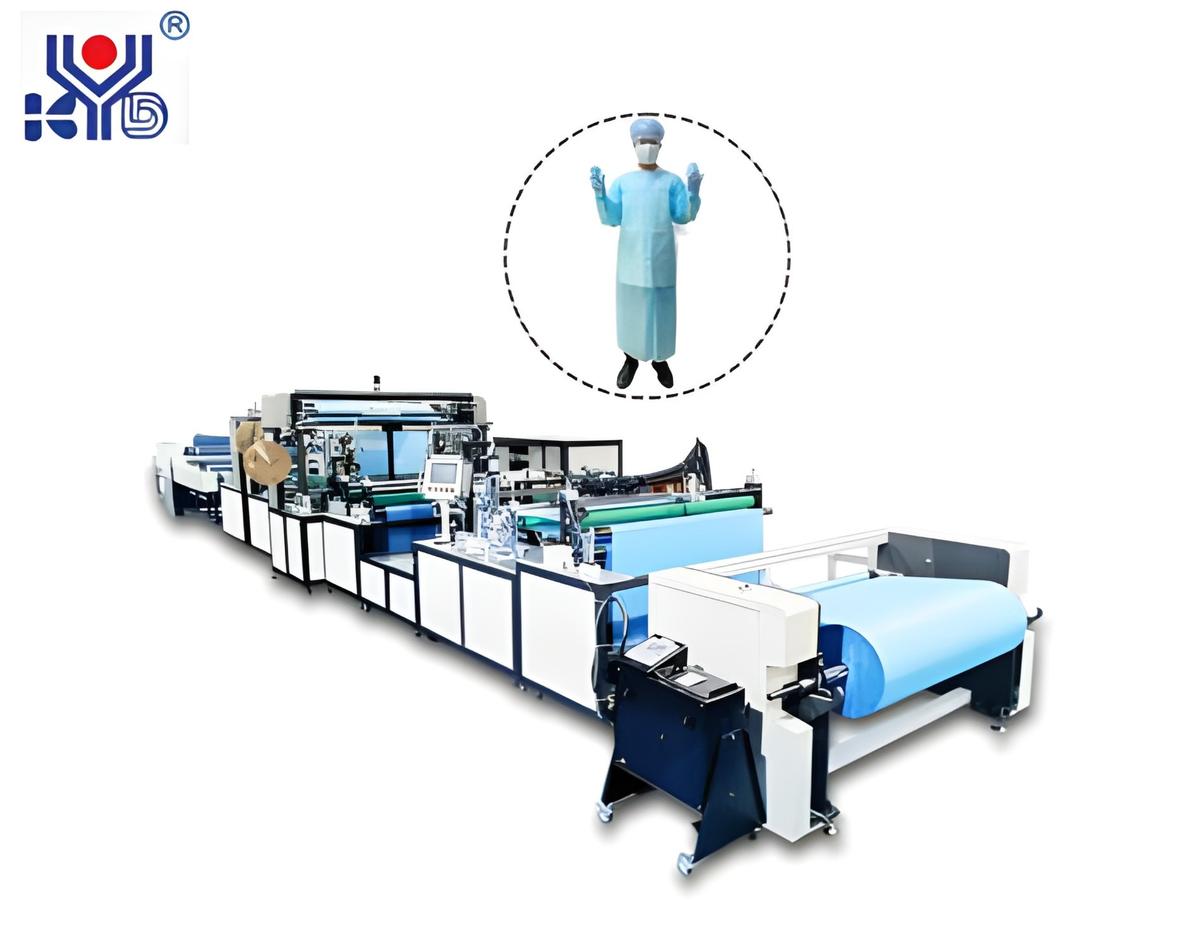
When considering the purchase of a Protective Gown Making Machine, it’s essential to evaluate several key factors to ensure you’re making an informed decision. First, understand the specific needs of your operation, whether you're dealing with medical, industrial, or other protective garment manufacturing. Look for a machine that offers high efficiency, reliability, and precision in its production process. The Kyd machine stands out as an excellent option, as it incorporates advanced technology and robust construction to deliver consistent, high-quality results. One of the most important features to consider is the machine’s ability to work with different types of fabrics, ensuring versatility in production. Whether you're focused on medical gown production machines or disposable gown-making machines, this machine can adapt to the specific needs of the protective garment industry. Additionally, the machine boasts an intuitive user interface that simplifies operation, making it easy to adjust settings for various gown types and production volumes. The machine’s speed and automated functions also allow for increased productivity, while minimizing human error. Another noteworthy feature is its durability; the machine is built to withstand continuous use without compromising performance, ensuring long-term reliability. The machine provides service by streamlining the entire manufacturing process, from cutting and shaping the gowns to providing flawless stitching. It is equipped with advanced sensors and controls that ensure each gown meets the required safety standards, which is crucial in industries where protection is paramount. Furthermore, the Kyd machine is designed with minimal maintenance needs, reducing downtime and enhancing overall efficiency. This combination of technical accuracy, versatility, and low maintenance makes the gown manufacturing machine a sound investment for businesses looking to maintain high standards in protective garment production. Whether you're investing in a protective clothing machine for industrial use or a protective gown-making machine for medical applications, the Kyd machine ensures reliable performance and exceptional results. With its proven track record and state-of-the-art features, the machine is indeed a reliable choice that meets the demands of modern manufacturing.

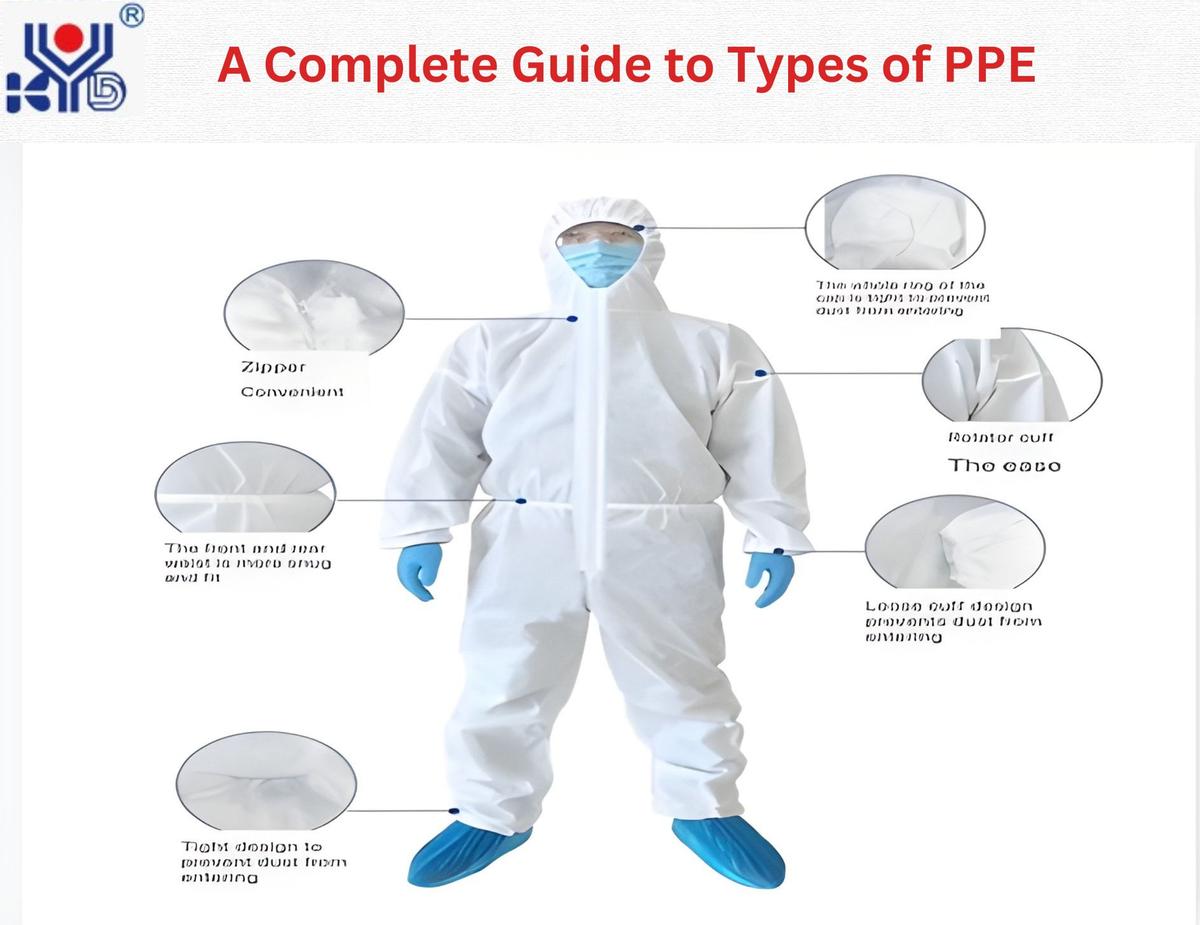
Personal Protective Equipment (PPE) plays a vital role in safeguarding individuals from workplace hazards, especially in industries like healthcare, construction, and manufacturing. But what are the types of PPE, and how are they manufactured? PPE includes a range of equipment such as masks, gloves, face shields, gowns, goggles, and coveralls. Each type is designed to protect specific body parts from risks like chemical exposure, airborne particles, or physical injuries. How are PPE products manufactured? The PPE manufacturing process varies based on the type of equipment. For instance, mask production involves layers of non-woven PPE fabric, typically using spunbond non-woven fabric and meltblown non-woven fabric, combined through ultrasonic welding. Gloves are made using natural or synthetic rubber, which is molded and cured for durability. Face shield manufacturing relies on plastic injection molding, while gowns and coveralls are created from non-woven or laminated fabrics to ensure fluid resistance and breathability. Key components of PPE equipment manufacturing include raw material preparation, advanced machinery like ultrasonic welding machines and injection molders, and stringent quality control to meet industry standards. Automated systems, such as PPE production machines, enhance precision and efficiency in production. Why is PPE manufacturing important? With global demand rising, scalable and sustainable manufacturing processes are essential to meet safety standards while maintaining affordability. What challenges exist in PPE production? These include sourcing high-quality raw materials, ensuring proper sterilization, and meeting regulatory compliance. By integrating advanced technologies such as automation and eco-friendly materials into the production process, PPE manufacturing has revolutionized workplace safety, ensuring reliable protection for millions worldwide.

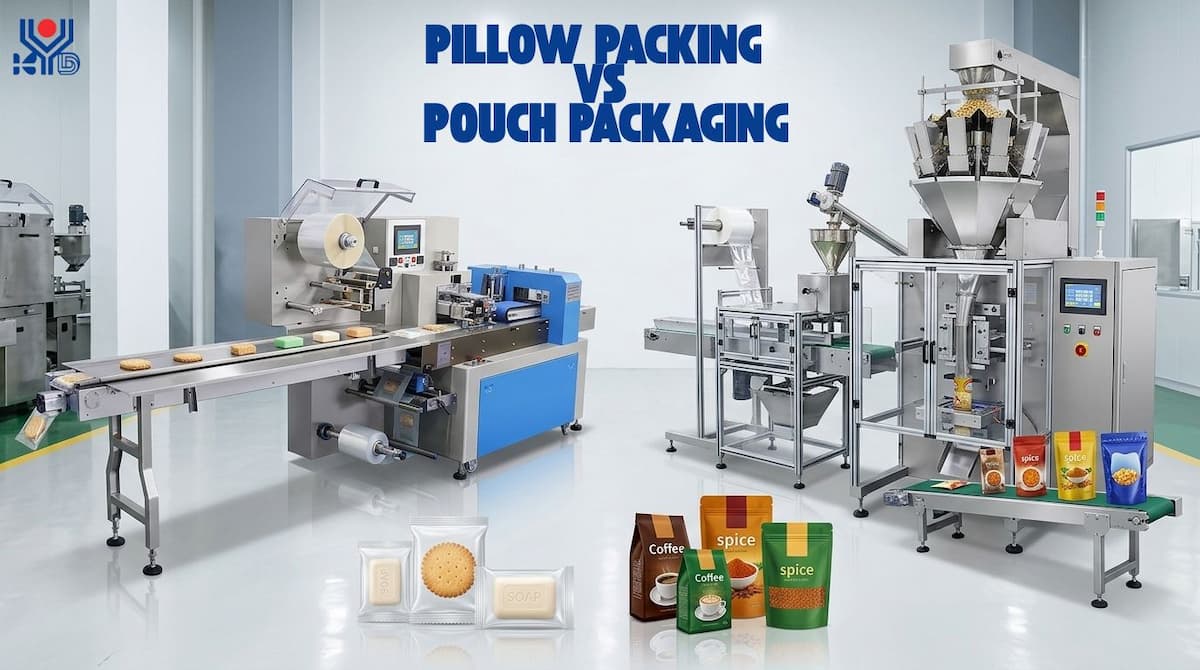
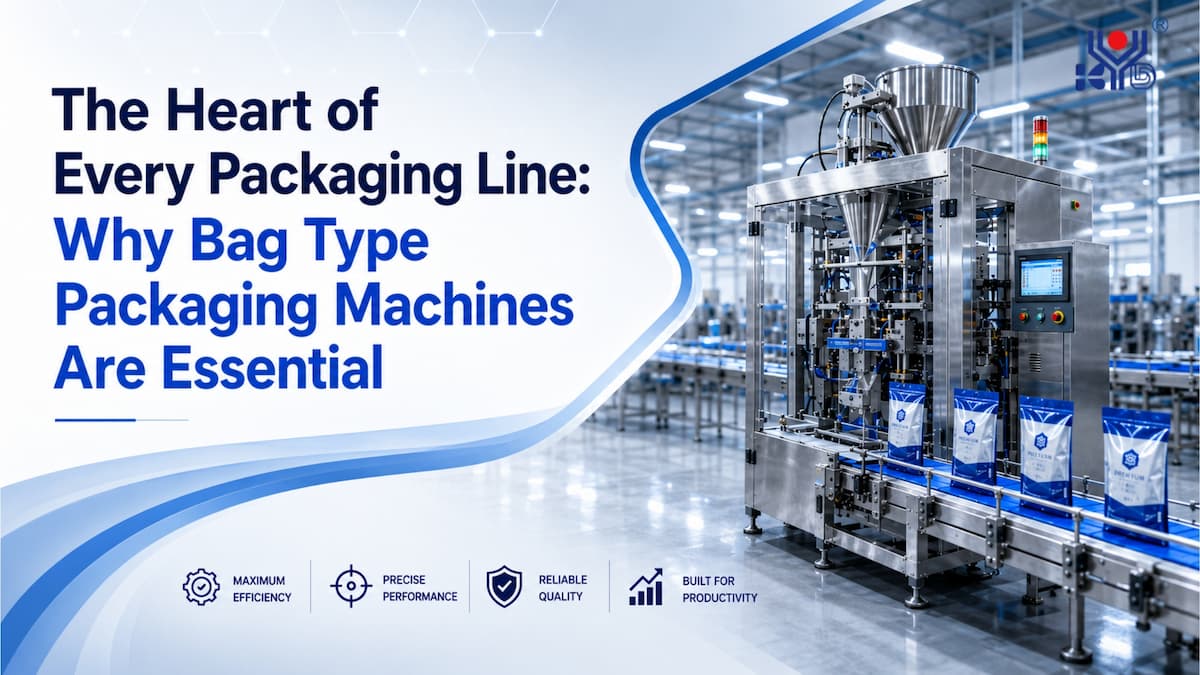
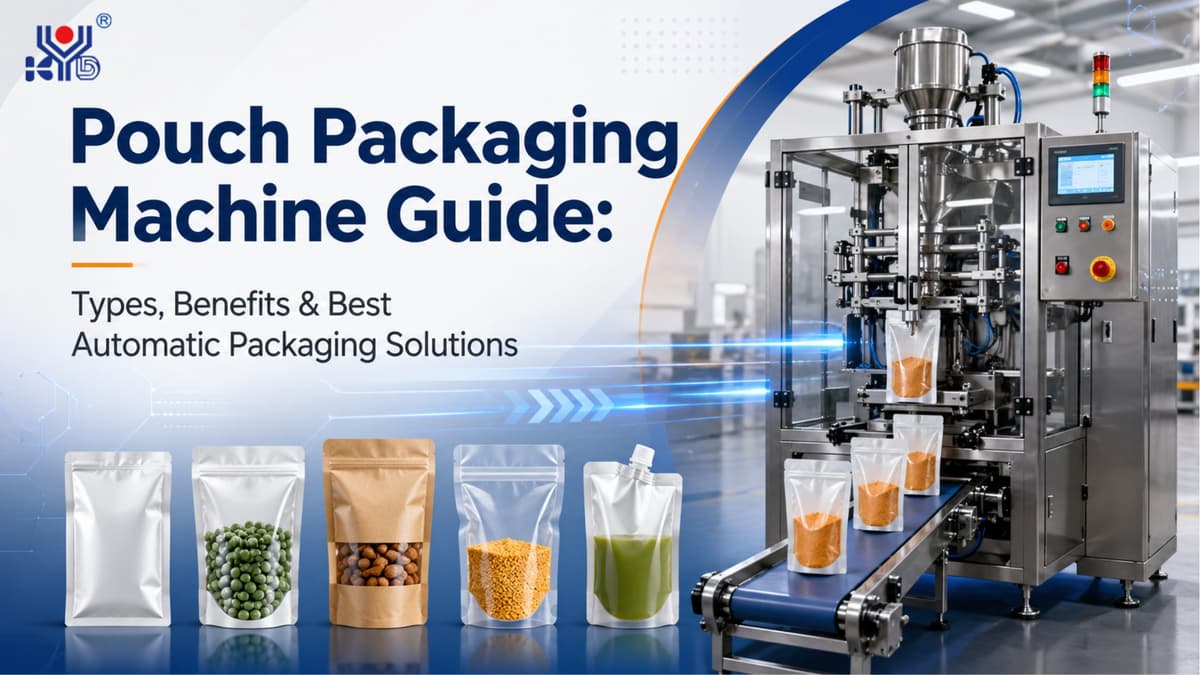
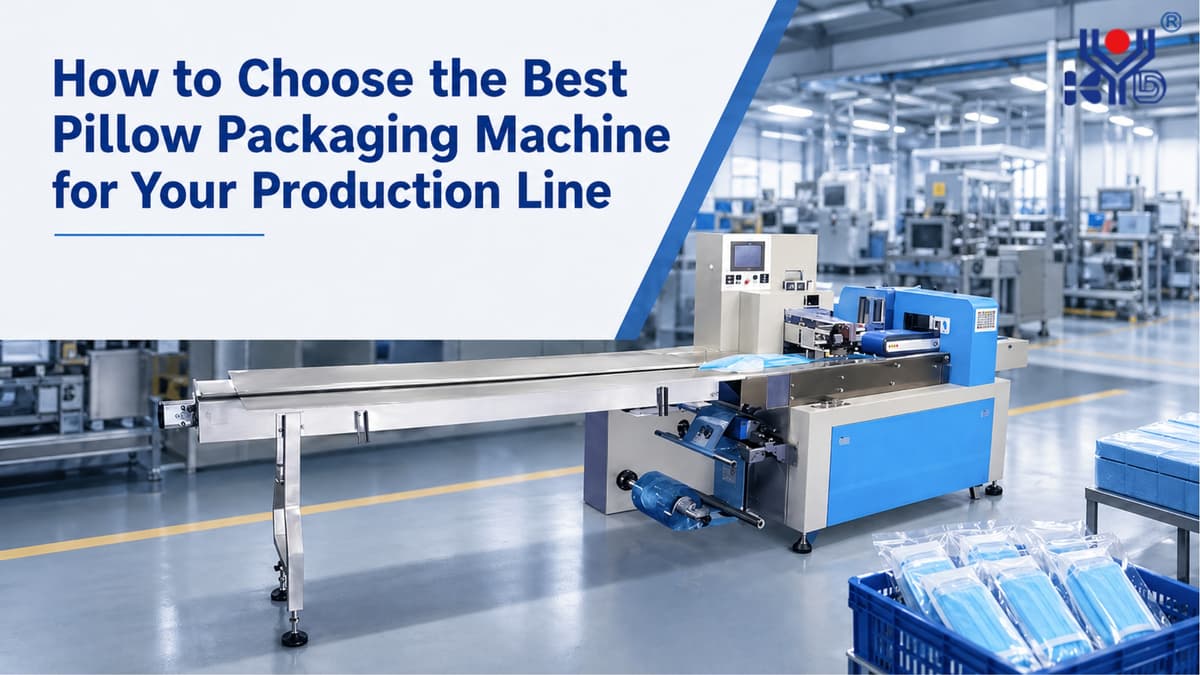
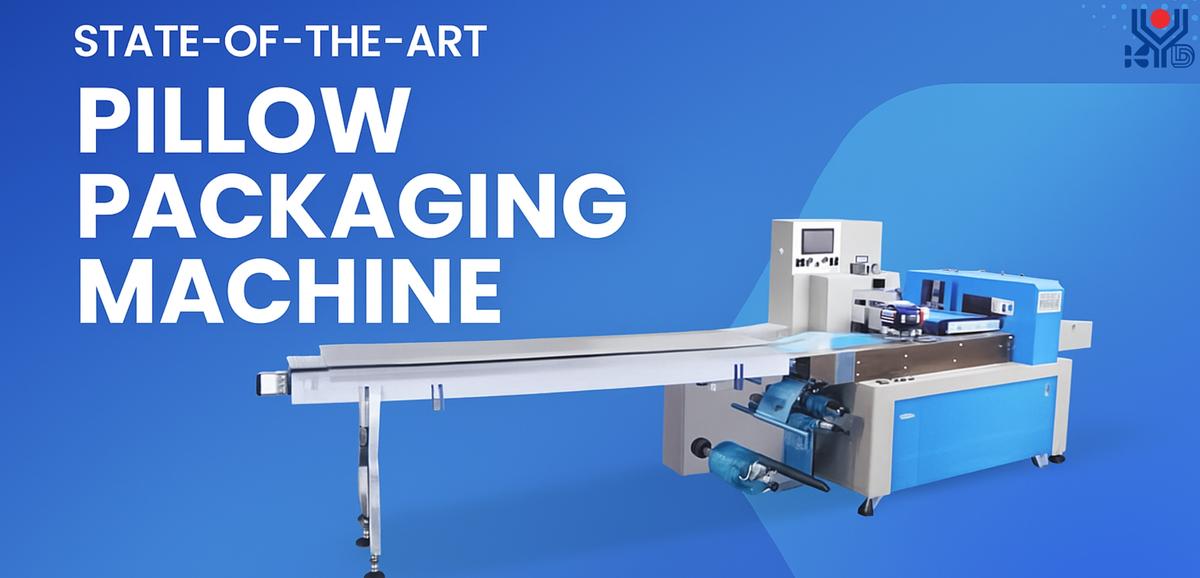
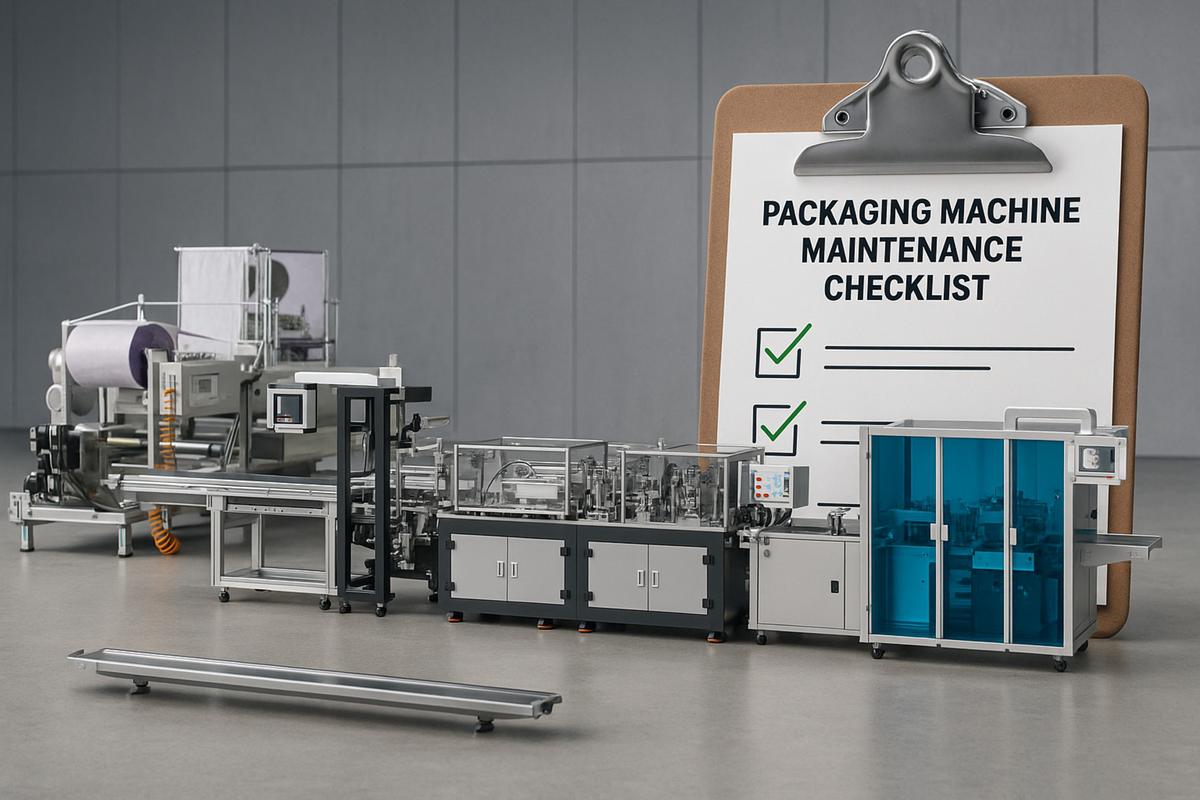
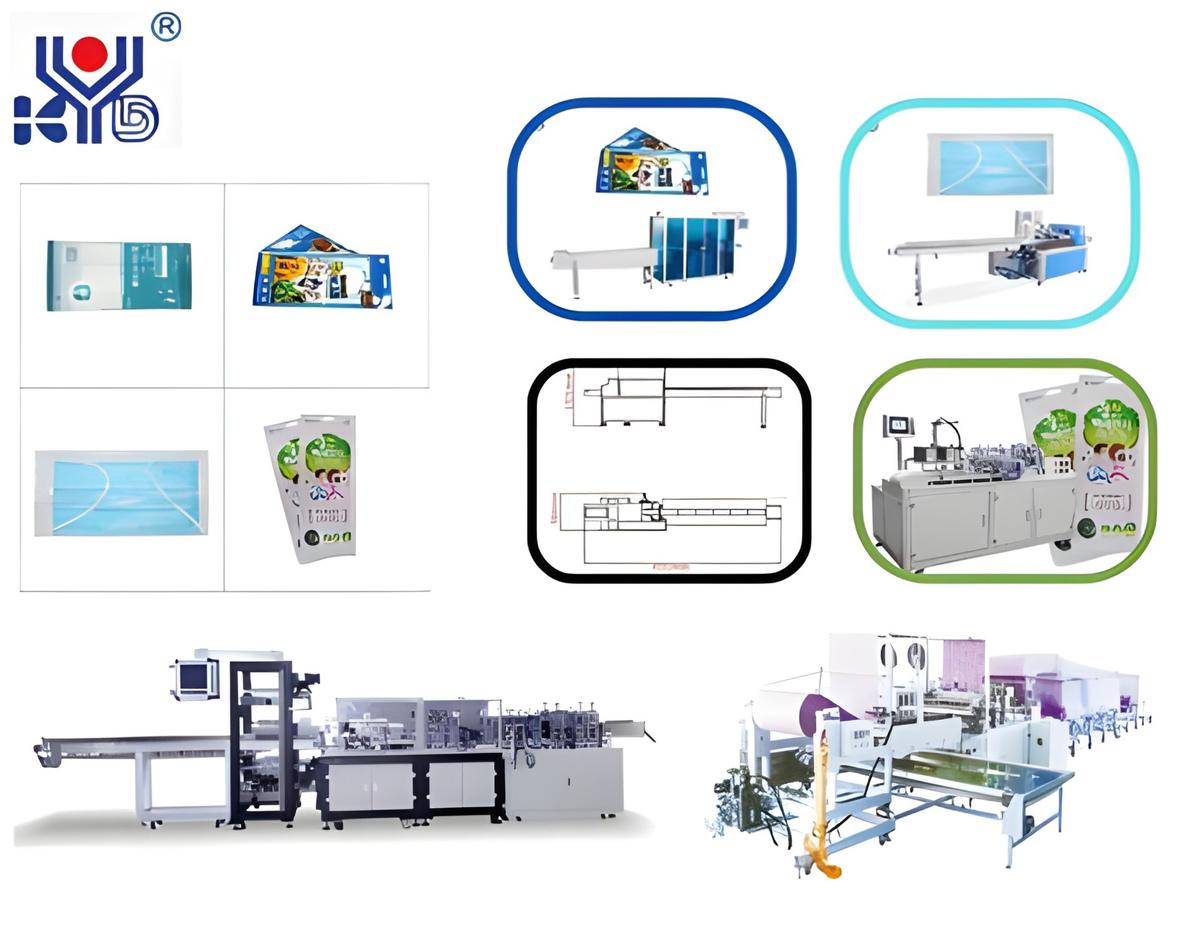
Packaging machinery plays a critical role in automating the packaging process, ensuring efficiency, consistency, and product safety across industries like food, pharmaceuticals, and manufacturing. But what are the essential components of packaging machinery, and how do they work? Let’s explore. What is packaging machinery? It refers to equipment designed to perform tasks like filling, sealing, labeling, and wrapping products, streamlining production and maintaining quality. What are the main components?Key components include filling machines, which dispense products accurately into containers using volumetric, gravimetric, or vacuum-based systems. Sealing machines follow, ensuring airtight or tamper-proof closures using heat, ultrasonic, or adhesive sealing techniques.Labeling machines apply product information, branding, or barcodes, ensuring regulatory compliance and enhancing product presentation. Wrapping machines add a protective layer, often with plastic or shrink films, safeguarding goods during storage or transit. Conveyors integrate these components, transporting products smoothly between stages, while control systems, such as PLC-based interfaces, manage operations for precision and ease of use. Why is automation important? Automation enhances production speed, reduces human error, ensures uniformity, and minimizes labor costs, making it indispensable for scaling operations. What benefits do these components offer individually? For example, filling machines prevent waste by dispensing precise amounts, sealing machines preserve product integrity, and labeling machines improve brand visibility and compliance. Together, these components streamline the packaging process, ensuring cost-effectiveness and high-quality output. How does packaging machinery impact businesses? By reducing manual intervention, it boosts productivity, ensures consistent packaging, and meets market demands efficiently. Modern packaging machinery integrates all these elements seamlessly, offering businesses a reliable, scalable solution to stay competitive in today’s fast-paced markets.
We invite you to connect with us! KYD.
Join the Join our growing community and stay updated on KYD’s latest innovations and industry insights. Sign up now to receive exclusive updates straight to your inbox!