Address:No.321 Dongshen Road, Tangxia Town, Dongguan City, Guangdong Province
Stay in touch
Enter your email address for get promotions and news.
Address:No.321 Dongshen Road, Tangxia Town, Dongguan City, Guangdong Province
Stay in touch
Enter your email address for get promotions and news.
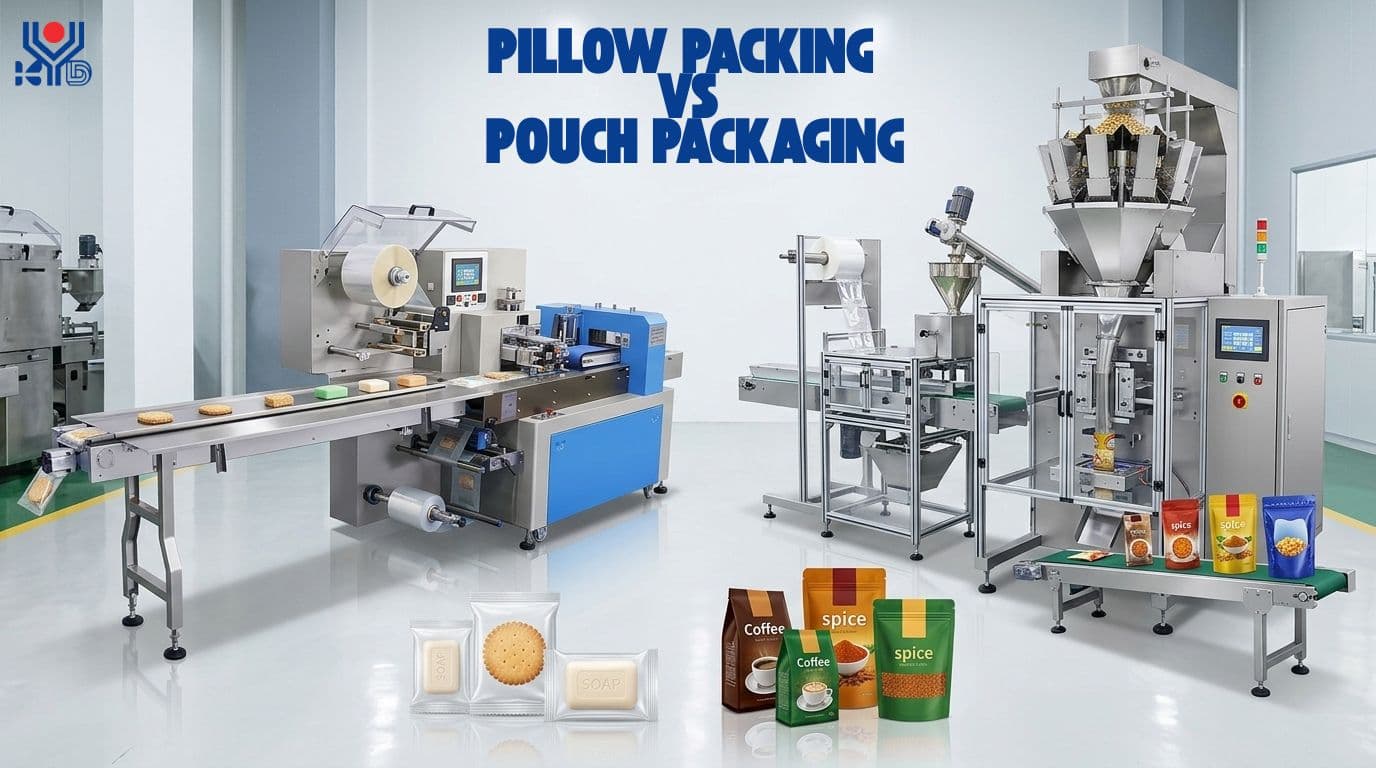
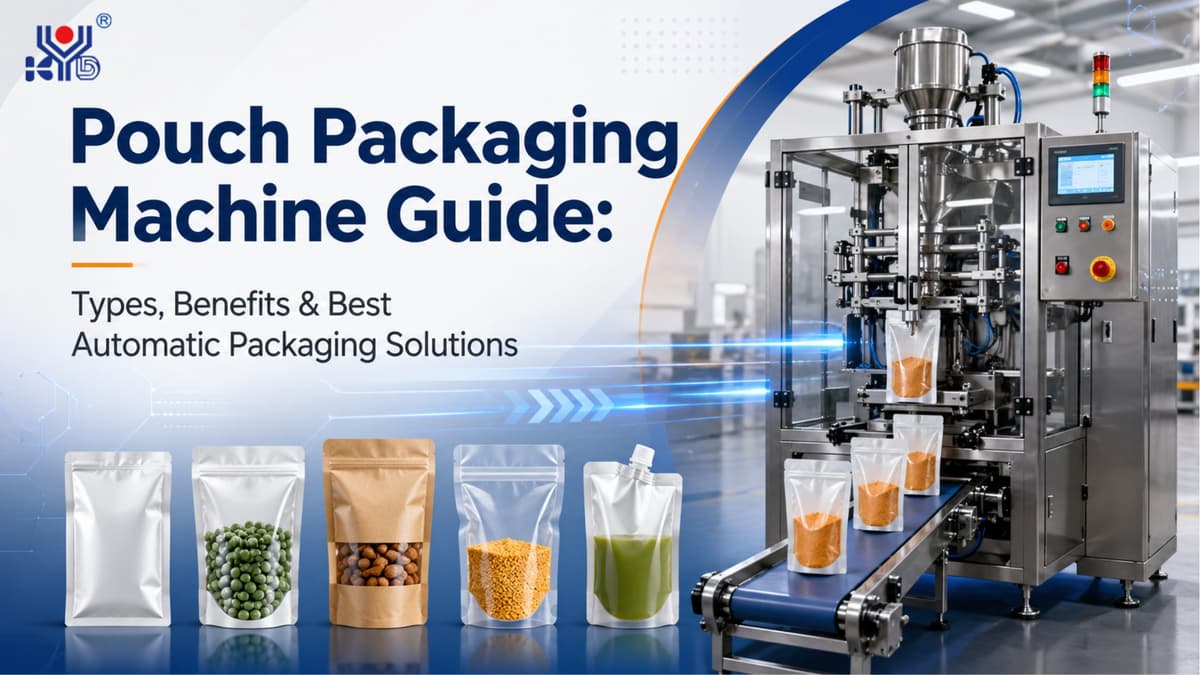
Choose a pouch packaging machine when you need to fill powders, granules, liquids or products into premade or machine-formed pouches.
For a reliable recommendation, evaluate the product form first. A solid item that must remain supported during wrapping normally suits a horizontal pillow pack machine. A loose or flowable Choosing between a pillow packing machine and a pouch packaging machine is not simply a matter of comparing prices. The correct choice depends on your product’s physical form, required package style, production speed, filling method and retail presentation goals.
A pillow pack machine is generally designed to wrap solid, consistently spaced products in roll film. It is commonly used for bread, biscuits, snack bars, soap, medical supplies and other individual items. A pouch packaging machine is a broader category that can form, fill or seal flexible pouches for powders, granules, liquids and solid products.
The two systems sometimes overlap. However, they serve different production requirements. This guide explains those differences so you can select packaging machinery based on your actual product and output needs.
Choose a pillow packing machine when you need fast, continuous wrapping of solid products that can travel horizontally on a conveyor.
product normally requires a filling and pouch-sealing system.
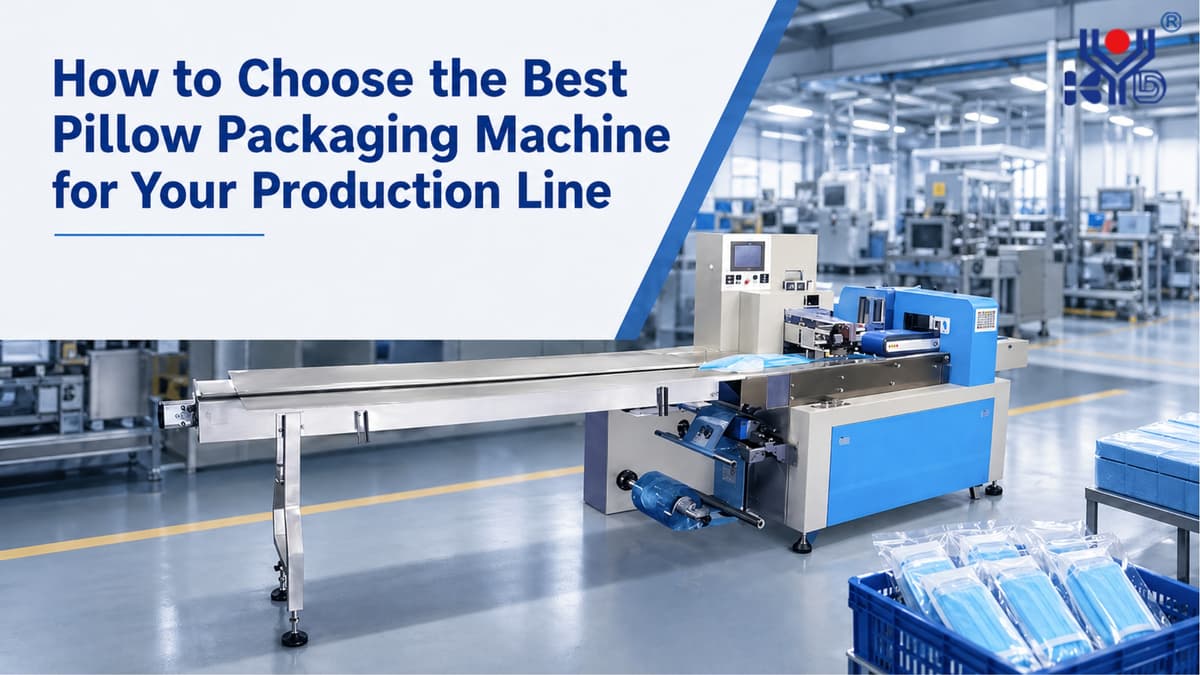
A pillow packing machine wraps individual, regularly shaped products in continuous heat-sealable roll film. Products usually move through the machine on a horizontal conveyor and are sealed in simple three-seal pillow-style packs. This system works well for bread, biscuits, soap, masks and medical items. When selecting a pillow packing machine, buyers should consider wrapping speed, product dimensions, film settings and compatibility with automatic feeding, labelling and inspection systems.
In comparison, a pouch packaging machine forms, fills or seals flexible pouches for powders, liquids, granules and solid products. Depending on the configuration, products may be filled vertically, moved through a rotary system or loaded manually. These machines can process roll film or premade formats such as flat, stand-up, gusseted and zipper pouches. They are commonly used for coffee, spices, snacks, cosmetics and chemicals. Important selection factors include filling accuracy, product properties, pouch style, pouch size and compatibility with weighers, augers, pumps or other dosing systems.
Overall, pillow packaging offers a simple and efficient solution for wrapping solid products, while pouch packaging provides greater flexibility in filling and retail presentation. However, the final choice should be based on the specific product, packaging material, required output and actual production conditions.
A pillow packing machine is a horizontal form-fill-seal system that wraps products in a continuous roll of flexible film. The machine forms the film around each product, creates a longitudinal seal, seals both ends and cuts the finished pack.
The completed package has three main seals and a slightly raised, pillow-like form. For this reason, the machine may also be called a:
Some buyers also search for a “packing pillow machine.” However, pillow packing machine and pillow packaging machine are the more widely used industry terms.
The process normally follows five stages:
The process is continuous, making this equipment suitable for high-volume production where speed and consistent package dimensions are important.
A pillow packaging machine can be configured for products such as:
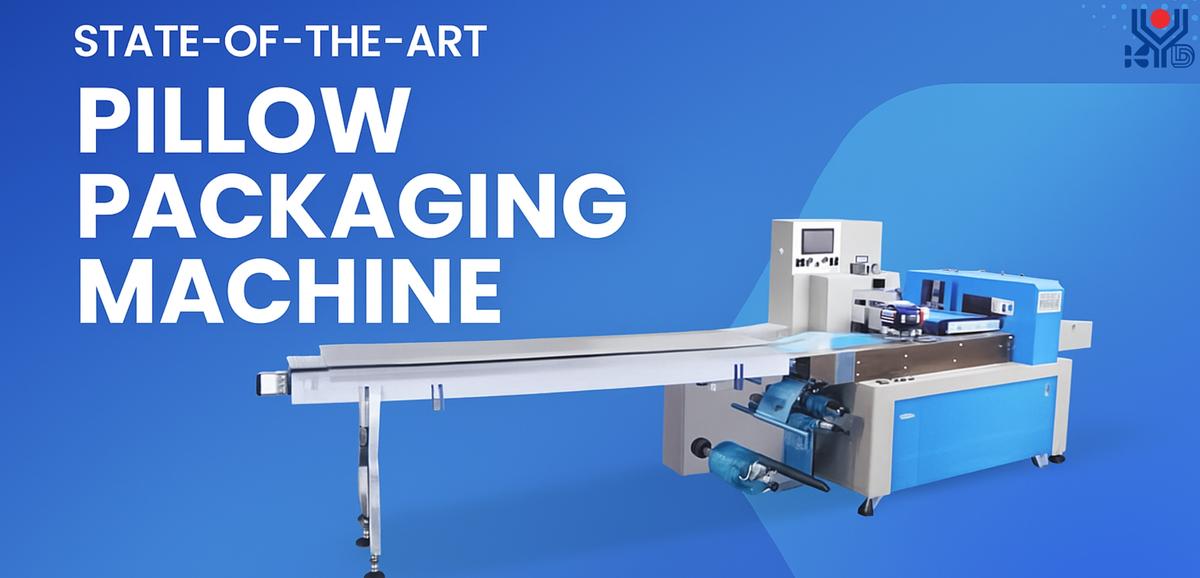
KYD’s pillow packing machine is designed for food, medical and consumer-goods applications. Its available production range is 40 to 230 bags per minute, depending on the product, configuration and operating conditions.
A pouch packaging machine is equipment that fills and seals products in flexible bags or pouches. Depending on the system, it may form pouches from roll film or process premade bags.
Pouch packaging machines can be configured with different filling systems. For example:
The filling method is one of the most important selection factors. A machine designed for powder cannot automatically handle a thick cosmetic cream without changing the product-contact and dosing system.
A VFFS machine forms a pouch from roll film, fills it from above and seals it vertically. It is widely used for powders, granules, snacks and other products that can be gravity-fed.
This system takes an already manufactured pouch, opens it, fills it and creates the final seal. It may support stand-up, zipper, gusseted or flat pouches, depending on its configuration.
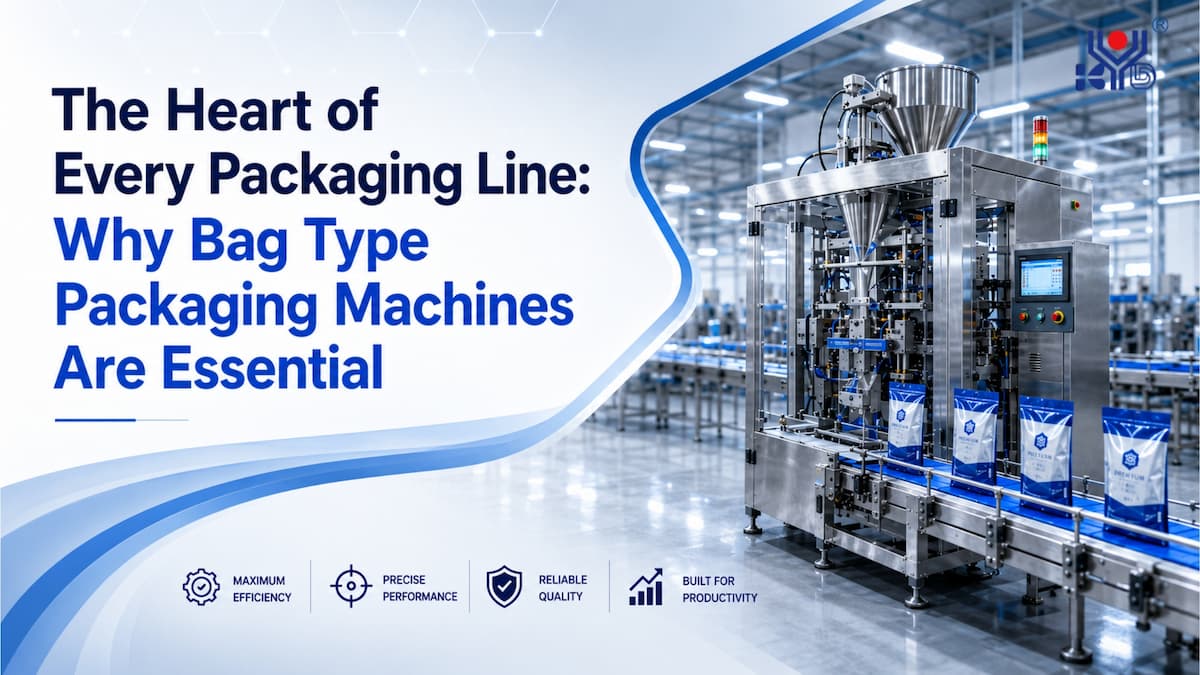
A bag type packaging machine processes individual bags through a controlled packaging cycle. KYD’s model uses PLC control and includes automatic bag handling, fault alarms, automatic stopping and self-diagnostic functions.
A liquid pouch packaging machine uses a suitable pump or metering system to fill products such as oils, sauces, gels, liquid detergent or cosmetic formulations. The sealing system and pouch material must be compatible with the product.
Product form is the fastest way to narrow down the choice.
A pillow pack machine is generally suitable for a solid product that retains its shape while moving along a conveyor. A pouch system is normally the better choice for loose, flowable or measured products.
Examples include:
A pillow packing machine forms film directly around the moving product. It combines wrapping, sealing and cutting in one continuous operation.
Pouch packaging equipment usually creates or receives an empty pouch first. The product is then measured, filled and sealed inside it.
Therefore, pillow packaging focuses on wrapping a product, while pouch packaging often focuses on dosing a product into a container.
Pillow packs provide a simple and material-efficient format. They are suitable for individual packaging, multipacks and products where high-speed wrapping is more important than a stand-up display.
Pouch machines may support more retail-oriented formats, including:
Available formats depend on the machine design. Buyers should never assume that one machine can process every pouch type.
Pillow machines can achieve fast continuous wrapping when products arrive with stable spacing. However, actual output depends on product dimensions, film properties, sealing time, feeding accuracy and cutter configuration.
KYD’s pillow packaging machine offers a stated range of 40–230 bags per minute and can be configured with standard or servo motors and different cutter options.
The output of a pouch machine depends heavily on the filling cycle. A powder that needs precise weighing, for example, may require more time than a solid item placed manually into a bag.
Compare sustainable output under real production conditions, not just the maximum speed shown on a sales sheet.
Both systems may use flexible materials, but compatibility must be tested.
Common considerations include:
Before ordering a machine, send the proposed packaging material and product sample to the manufacturer. A trial run can reveal sealing, tracking or feeding issues before production begins.
A pillow machine may connect with:
Pouch packaging machines may integrate with:
The best machine is not always the one with the most automation. It is the system that removes the actual bottleneck without adding unnecessary complexity.
The purchase price represents only part of the investment. Buyers should also calculate:
A lower-priced machine can become expensive if it creates excessive film waste, frequent sealing problems or slow format changes.
A standard pillow packing machine should not be confused with a pillow vacuum packing machine.
A conventional pillow pack machine wraps a product in film and creates sealed ends. It does not automatically remove air or create a true vacuum unless it has been specially engineered with a compatible vacuum system.
Vacuum packaging removes air before final sealing. It is used when reduced oxygen, compact packaging or particular preservation requirements are important.
If vacuum performance is required, define:
Do not purchase a standard flow wrapper based only on the appearance of the finished pack. Confirm the required packaging atmosphere with the manufacturer.
A pillow packing machine is often suitable for bread, biscuits, confectionery and individual snack products. Loose snacks, spices, coffee and grains generally require a pouch machine with a suitable filling system.
Food manufacturers should also evaluate hygiene, contact materials, cleaning access, temperature control and optional gas-flushing requirements.
Masks, medical gowns, disposable items and other regularly shaped products may suit horizontal pillow packaging. The machine configuration should reflect the required package integrity, material handling and cleanliness standards.
KYD specialises in machinery for non-woven, medical, healthcare and packaging applications, making integration between production and packaging equipment an important consideration.
Individual wipes, cotton products or shaped items may be flow-wrapped. Powders, creams, gels and liquids normally require pouch packaging machines with application-specific fillers.
Soap, sponges, gloves, small hardware and grouped components may be suitable for pillow wrapping. Loose components or counted items may require a pouch system with a counting or weighing device.
Use the following checklist before requesting a quotation.
Provide:
Confirm:
Calculate:
Do not base the decision only on maximum machine speed. Required output should include normal stops, cleaning, product loading and format changes.
Confirm:
Before purchasing, ask about:
The pouch packaging machine market continues to develop around automation, flexible formats, accurate dosing and easier production monitoring. Buyers increasingly expect PLC control, stored recipes, fault alerts and better integration with upstream and downstream systems.
However, market trends should not replace application analysis. A newer machine may offer more digital features, but it will not provide better results if the filling system, sealing method or pouch format does not match the product.
Focus first on packaging performance. Then select the automation features that improve uptime, quality control and operating efficiency.
Choose a pillow packing machine when:
Choose a pouch packaging machine when:
Some production facilities need both systems. A factory may use a pouch machine for loose ingredients and a pillow machine for individually wrapped finished goods.
The right decision comes from matching the machine to the product, not forcing the product into an unsuitable packaging process.
KYD provides packaging machinery for food, healthcare, medical, consumer and non-woven applications. Available solutions include pillow packing and bag type packaging machines with PLC-based controls and custom configuration options.
Send KYD your product details, package size, packaging material and required output. The technical team can assess your application and recommend an appropriate machine configuration.
[Explore KYD’s Pillow Type Packaging Machine]
[View the Bag Type Packaging Machine]
[Request a Custom Packaging Machine Quote]
A pillow packing machine is commonly a type of horizontal flow wrap machine. It wraps products in continuous film and creates a longitudinal seal with cross seals at both ends.
A pillow machine normally wraps a solid product moving on a horizontal conveyor. A pouch machine forms or handles a pouch, fills it with a measured product and completes the final seal.
A standard horizontal pillow pack machine is mainly intended for solid products. Powders and liquids normally require pouch packaging machines equipped with compatible dosing or filling systems.
It depends on the food. Bread, biscuits and individual bars may suit pillow packaging. Coffee, spices, grains, liquid sauces and loose snacks generally need an appropriate pouch-filling system.
Many machines can process a range of sizes, but every model has operating limits. Change parts, film width, forming components and stored settings may be required when switching products.
Not necessarily. A standard pillow packing machine seals a product inside flexible film but does not normally extract air. True vacuum packaging requires a machine specifically designed to remove air before sealing.
Provide the product type, dimensions or fill weight, desired package style, bag size, packaging material, required output, power supply and any special requirements such as printing, inspection, gas flushing or vacuum.
Compare total ownership cost rather than purchase price alone. Review output, film waste, labour, changeover time, maintenance, spare parts, warranty, training and expected downtime.
We invite you to connect with us! KYD.
Join the Join our growing community and stay updated on KYD’s latest innovations and industry insights. Sign up now to receive exclusive updates straight to your inbox!